

Most people don’t give their septic system much thought until something goes wrong. That’s understandable. When it’s working, it does its job quietly in the background. But a septic tank that hasn’t been pumped on schedule doesn’t usually announce the problem with one obvious sign. It tends to show several smaller ones first, and those early signals are worth knowing.
How a Septic System Works
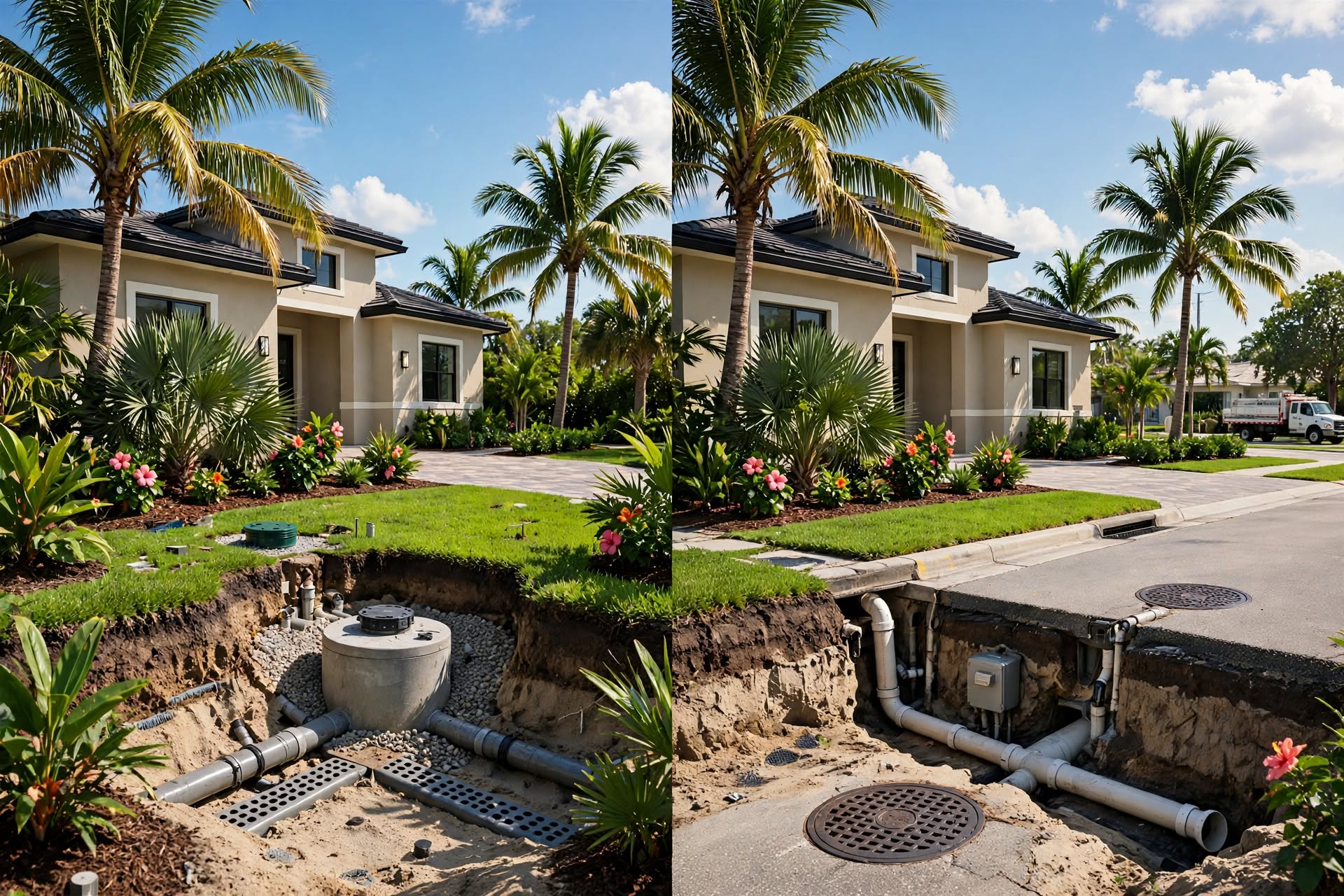
Before getting into the warning signs, it helps to know what the system is actually doing. Wastewater from the home flows into the septic tank, where solids settle to the bottom and form sludge. Lighter materials float to the top as scum. The liquid layer in the middle moves out to the drain field, where it filters through the soil.
Over time, the sludge at the bottom builds up. When it accumulates to the point where there isn’t enough space for the middle liquid layer, the system starts to fail. Pumping removes that sludge before it reaches that point. Most tanks need to be pumped every three to five years, but that varies depending on household size, tank capacity, and usage habits.
The Warning Signs
Slow Drains Inside the Home
When a septic tank is getting full, drains throughout the house start to slow down. This isn’t the same as a single clogged drain. When multiple fixtures in the home are draining sluggishly at the same time, the issue is usually in the tank or the line connecting the home to it. Toilets may flush slowly. Showers may drain slower than usual. Sinks may take longer to empty.
People often try to address this with drain cleaners or plungers, which can temporarily help with isolated blockages but won’t do anything for a full tank.
Gurgling Sounds from Drains or Toilets
Gurgling after flushing or draining is a sign that air is being displaced somewhere it shouldn’t be. When the tank is near capacity, gases from the decomposing waste have fewer places to go. They start moving backward through the plumbing, and the gurgling is the sound of that happening.
This is worth taking seriously. Gurgling doesn’t always mean the tank is full, but it’s a sign that something in the system is under pressure.
Odors Inside or Outside the Home
A functioning septic system doesn’t produce noticeable odors. If there’s a sewage smell inside the home, particularly near drains or in lower-level rooms, it’s a sign that gases are backing up through the plumbing. If the smell is strongest outside near the tank or drain field area, it may indicate that the tank is already overflowing or that the drain field is saturated.
In South Florida, where heat accelerates decomposition, odors from an overfull tank can become noticeable quickly and spread further than expected.
Wet or Soggy Ground Over the Drain Field
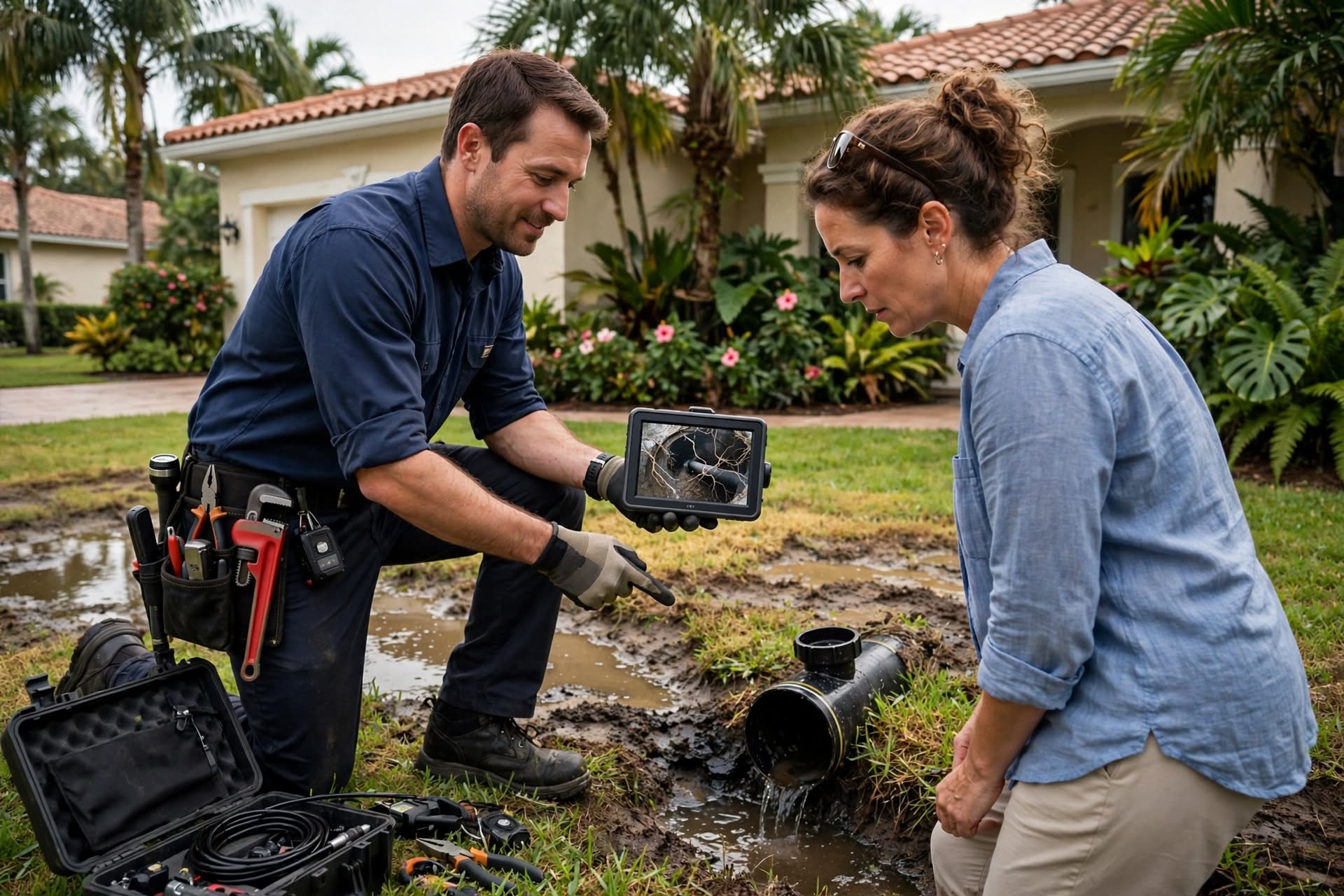
The drain field is designed to receive liquid from the tank at a rate the soil can absorb. When the tank is full and solid material starts escaping into the drain field, it clogs the soil and prevents proper absorption. The result is water that has nowhere to go, which surfaces as soggy ground or pooling in the yard.
This is one of the more serious signs because drain field damage is costly to repair. If the soil becomes too saturated with solids, the drain field may need to be replaced entirely. Catching the problem before it reaches this stage is the reason scheduling septic tank and septic pumping services on time matters.
Unusually Green or Fast-Growing Grass Over the Tank
It sounds like a good thing, but a patch of grass that’s noticeably greener and growing faster than the surrounding lawn can indicate that the tank below is leaking. The nutrients from the leaking waste act as fertilizer. This isn’t always obvious, especially in areas with inconsistent watering, but it’s something to note if it appears alongside other symptoms.
Sewage Backup Into the Home
This is the sign no one can miss. If sewage is backing up into toilets, sinks, or tubs, the system is past the warning stage and needs immediate attention. Sewage backup is a health hazard and should be treated as an emergency. At this point, the goal isn’t just pumping the tank. The entire system needs to be evaluated for damage.
What Happens If Pumping Is Delayed
Skipping septic tank and septic pumping services for too long doesn’t just lead to inconvenience. It leads to system failure. When solids overflow into the drain field, they block the perforations that allow liquid to move through the soil. Once those are blocked, the drain field stops working. Replacing a drain field is a significant expense, and in some cases, permits and soil evaluations are required before work can begin.
Beyond the financial cost, a failing septic system poses environmental risks. Untreated wastewater can contaminate groundwater, which is a particular concern in Florida given the state’s high water table and the proximity of many properties to water bodies.
How to Stay Ahead of the Problem
The most effective approach is to have the tank inspected regularly and pumped on a schedule based on actual usage. A technician can measure the sludge level during an inspection and give a clear picture of how much capacity remains. Properties with more residents, garbage disposals, or higher water usage will generally need more frequent service.
Keeping records of past service dates makes it easier to stay on schedule and gives any technician working on the system useful context about its history. Most professionals who provide septic tank and septic pumping services can recommend a service interval after assessing the current condition of the system. That recommendation will be more accurate than a generic schedule, and it takes the guesswork out of timing future visits.
Time to pump your septic tank? A to Z Statewide Plumbing provides scheduled and emergency septic pumping throughout South Florida. Call (954) 981-2133 — same-day service available.