
Why Understanding Your Water Heater Actually Matters
A cold shower on a winter morning or inconsistent hot water during dishwashing is more than just an inconvenience, it often signals underlying plumbing issues that can worsen over time. Many homeowners only think about their water heater when it stops working, but understanding how do hot water heaters work can help you prevent breakdowns, reduce energy bills, and avoid calling an emergency plumber.
Hot water is one of the most used utilities in any home, and your water heater is responsible for delivering it safely and consistently. When it fails, daily routines come to a halt, making it one of the most important plumbing systems in your house.
Quick Answer — How do hot water heaters work?
Hot water heaters work by heating cold water stored in a tank (or flowing through a system in tankless models) using gas burners or electric heating elements, then delivering it through your home’s plumbing system whenever you turn on a hot water tap.
Immediate Understanding: What a Hot Water Heater Actually Does
A hot water heater is a key plumbing appliance designed to supply heated water for showers, sinks, dishwashers, and laundry systems. It ensures you always have access to hot water by either storing heated water or producing it instantly.
There are two main types:
- Tank water heaters (store and continuously heat water)
- Tankless water heaters (heat water instantly on demand)
Both systems serve the same purpose but operate differently based on energy use and demand. In many modern homes, upgrading to tankless systems has reduced energy waste and improved efficiency.
Core Explanation: How Hot Water Heaters Work in Plumbing Systems
Hot water heaters operate by converting energy into heat using gas combustion or electric resistance elements.
The process is simple but efficient:
Cold water enters → water is heated → hot water is stored or instantly produced → hot water flows to fixtures when needed.
In a tank system, water is continuously heated and stored at a set temperature. In a tankless system, water is heated only when you turn on a faucet, making it more energy-efficient and reducing standby heat loss.
This process is essential for daily comfort, hygiene, and sanitation in modern residential plumbing systems.
Common Plumbing Problems Related to Hot Water Heaters
Even reliable systems can develop issues over time. Some of the most common problems include:
- No hot water or inconsistent heating
- Water taking too long to heat
- Rumbling or popping noises inside the tank
- Rust-colored or discolored water
- Leaks around the tank or pipe fittings
- Low hot water pressure throughout the home
In many cases, homeowners assume they need an emergency plumber, but the issue is often sediment buildup or a worn heating element that can be repaired or replaced.
Tools and Components Inside a Hot Water Heater System
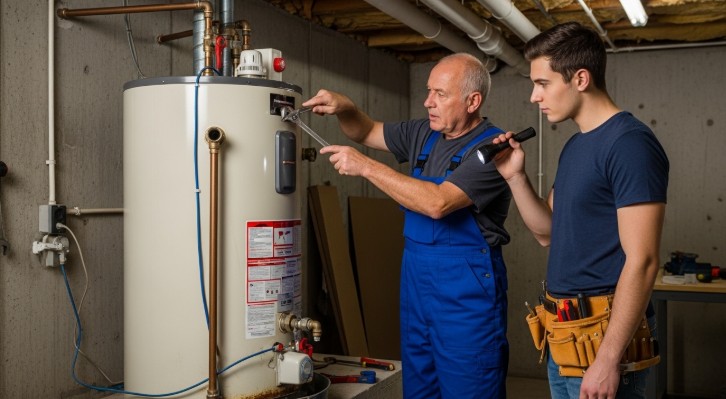
A water heater is made up of several essential parts working together:
- Gas burner or electric heating elements
- Thermostat for temperature control
- Dip tube to direct incoming cold water
- Anode rod to prevent internal corrosion
- Pressure relief valve for safety
- Storage tank (tank systems)
- Heat exchanger (tankless systems)
Each component plays a critical role in ensuring safe and consistent hot water delivery.
Safety Considerations for Hot Water Heaters
Hot water systems involve both heat and pressure, so safety is extremely important:
- Always shut off gas or electricity before inspection
- Avoid touching hot pipes or tank surfaces
- Ensure proper ventilation for gas-powered units
- Never bypass safety or pressure relief valves
- Call a professional immediately if gas smell or leaks are detected
Ignoring safety steps can lead to serious hazards including burns, leaks, or system failure.
How a Hot Water Heater Works
First, cold water enters the tank through a dedicated supply line.
Next, the thermostat detects the water temperature and activates the heating system, either gas burner or electric heating elements.
The water is then heated to a preset level, typically between 120°F and 140°F.
In tank systems, hot water rises to the top while cold water sinks, creating a continuous heating cycle.
When a hot water tap is turned on, hot water is pushed out while fresh cold water enters the system to be heated.
In tankless systems, water flows through a heat exchanger and is instantly heated before reaching the fixture.
This continuous cycle ensures reliable hot water availability throughout the home.
Cost Factors for Hot Water Heater Systems and Repairs
Several factors affect installation and repair costs:
- Type of system (tank vs tankless)
- Fuel source (gas, electric, or hybrid)
- Unit size and capacity
- Installation complexity
- Emergency replacement needs
- Parts and labor costs
Tank systems are generally more affordable upfront, while tankless systems offer long-term energy savings.
DIY vs Professional Hot Water Heater Service
DIY Approach
- Limited to basic maintenance only
- Can include flushing sediment or checking settings
- Risk of electrical or gas hazards
- No tools for diagnosing internal failures
- Not suitable for major repairs
Professional Service
- Full system inspection and diagnostics
- Safe handling of gas and electrical components
- Accurate thermostat and pressure calibration
- Replacement of faulty parts
- Prevention of future breakdowns
Common Problems Caused by Neglecting Hot Water Heater Maintenance
Ignoring maintenance can lead to serious issues:
- Reduced heating efficiency
- Higher monthly energy bills
- Sediment buildup damaging the tank
- Premature system failure
- Water leaks and property damage
- Sudden complete loss of hot water
Most major failures start as small, unnoticed issues that could have been fixed early.
Troubleshooting & Prevention Tips
To keep your system running efficiently:
- Flush the tank once a year to remove sediment
- Inspect the anode rod every 2–3 years
- Keep thermostat set around 120°F
- Check for leaks around valves and connections
- Schedule regular plumbing inspections
Preventative care significantly extends system lifespan and reduces repair costs.
When to Call a Professional Plumber
Call a professional immediately if:
- No hot water despite system running
- Visible leaks or rust on the tank
- Smell of gas near the unit
- Water temperature fluctuates dangerously
- Loud banging or popping sounds from tank
In such cases, experienced services like A to Z State Wide Plumbing can safely diagnose the issue, repair water heaters, or recommend replacement to restore reliable hot water without risk.
People Also Ask — Related Questions
How do hot water heaters work in simple terms?
They heat cold water using gas or electricity and supply it to your home.
Do hot water heaters run constantly?
Tank systems maintain heat continuously; tankless systems heat on demand.
What heats the water in a heater?
Gas burners or electric heating elements.
Why is my water heater not working?
Common causes include faulty elements, sediment buildup, or thermostat failure.
How long does a water heater last?
Typically 8–15 years depending on maintenance.
Can a water heater run out of hot water?
Yes, especially tank systems during heavy use.
Is maintenance necessary?
Yes, it prevents breakdowns and improves efficiency.
FAQs — How do hot water heaters work?
How do hot water heaters work in homes?
They heat and distribute water through a tank or tankless plumbing system.
What is the difference between tank and tankless systems?
Tank systems store hot water; tankless systems heat water instantly.
How is water temperature controlled?
A thermostat regulates heating levels inside the unit.
Why does hot water run out quickly?
It may be due to sediment buildup or undersized capacity.
Do water heaters use a lot of energy?
Yes, they are among the highest energy-use appliances in a home.
Can I increase hot water supply?
Yes, through maintenance, upgrades, or system resizing.
Is professional servicing required?
Yes, for repairs, gas systems, and safety inspections.
Conclusion: Understanding How Hot Water Heaters Work
Understanding how do hot water heaters work helps homeowners maintain efficiency, safety, and comfort in their plumbing systems. Whether tank or tankless, these systems are essential for daily life and require proper care to perform reliably.
The key takeaway is simple: regular maintenance and early troubleshooting prevent expensive plumbing repairs and ensure your home always has consistent hot water when you need it most.