
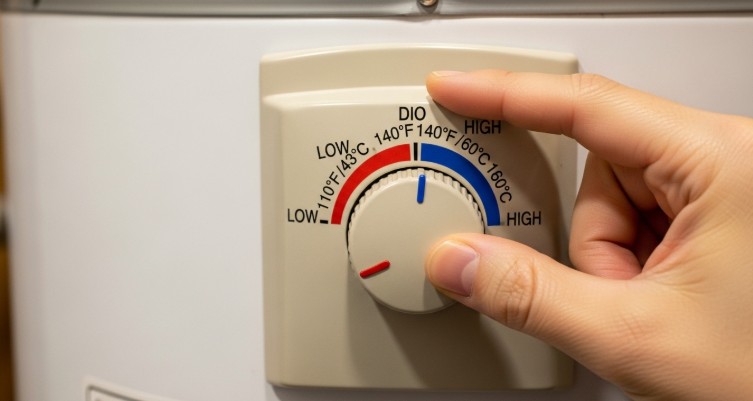
Nothing disrupts a morning routine faster than stepping into the shower expecting hot water and getting lukewarm disappointment instead. On the other hand, overly hot water can be a safety hazard and drive up your energy bills without you even noticing.
This is why understanding how to adjust temperature on electric water heater systems is essential for every homeowner. It’s one of the simplest plumbing adjustments, yet it has a major impact on comfort, safety, and efficiency.
In this guide, you’ll learn exactly how electric water heater temperature control works, how to adjust it safely, what problems to watch for, and when it’s time to call a professional.
Short Answer: How to Adjust Temperature on Electric Water Heater?
To adjust the temperature on an electric water heater:
- Locate the thermostat panel (usually behind a metal access cover)
- Adjust the dial or digital control to the desired temperature
- Recommended safe range: 120°F–140°F
- Wait 1–2 hours for temperature to stabilize
Key warning:
Never set the temperature too high. It increases burn risk and raises energy consumption significantly.
If your system does not respond properly, you may be dealing with deeper common plumbing problems such as faulty thermostats or heating elements.
What Is an Electric Water Heater Temperature System?
An electric water heater maintains temperature using a controlled electrical system inside the tank.
Here’s how it works:
- Upper and lower heating elements heat the water in stages
- Thermostats regulate when each element turns on and off
- Cold water enters the tank, gets heated, and is stored until needed
Maintaining proper temperature is not just about comfort—it directly impacts plumbing efficiency, energy bills, and system lifespan.
If the temperature is inconsistent, it can also signal early mechanical issues that may require plumbing repair cost considerations later.
Common Reasons You Need to Adjust Temperature on Electric Water Heater
Homeowners usually adjust temperature due to:
- Water that is too cold or inconsistent
- Sudden drop in hot water supply
- Rising energy bills without usage change
- Seasonal adjustments (winter vs summer)
- After maintenance, repairs, or replacement
For example, a family in a multi-bathroom home may increase temperature slightly in winter to maintain consistent shower performance across all fixtures.
How to Adjust Temperature on Electric Water Heater (Step-by-Step Guide)
Proper adjustment is simple, but must be done carefully.
How to Adjust Temperature on Electric Water Heater Safely
Step 1: Turn off power at breaker box
Shut off electricity to avoid shock risk.
Time: 2–3 minutes | Difficulty: Easy
Step 2: Remove access panel carefully
Use a screwdriver to open the metal cover.
Time: 3–5 minutes | Difficulty: Easy
Step 3: Locate thermostat dial (upper and lower units)
Most electric heaters have two thermostats.
Step 4: Adjust temperature using flat screwdriver
Set both thermostats to the same level for balance.
Time: 3–5 minutes | Difficulty: Easy
Step 5: Replace insulation and cover
Ensure everything is sealed properly.
Step 6: Turn power back on
Restore electricity and begin heating cycle.
Step 7: Wait for stabilization
Water temperature adjusts gradually over time.
Timing Summary:
- Adjustment time: 10–15 minutes
- Heating stabilization: 1–2 hours
If done correctly, this is one of the easiest how to fix plumbing issues homeowners can handle.
What Happens If You Set Temperature Too High or Too Low
Too high:
- Risk of burns during showers
- Higher electricity bills
- Faster wear on tank components
Too low:
- Lukewarm or cold water
- Increased risk of bacterial growth
- Poor shower and appliance performance
Incorrect settings are a hidden cause of long-term inefficiency in many homes.
Common Problems When Adjusting Electric Water Heater Temperature
Sometimes adjusting the temperature doesn’t solve the issue because of underlying faults:
- Thermostat not responding
- Uneven heating between upper and lower elements
- Sediment buildup reducing efficiency
- Wiring issues inside the control panel
- Aging system struggling to maintain temperature
These are typical common plumbing problems seen in older electric water heaters.
Step-by-Step Troubleshooting if Temperature Does Not Change
If your adjustment has no effect, follow this troubleshooting process:
- Check breaker and power supply
- Test thermostat using a multimeter
- Inspect heating elements for failure
- Flush tank to remove sediment buildup
- Replace faulty thermostat if needed
If the issue continues, it becomes a professional-grade emergency plumbing fix situation where expert help is needed.
DIY vs Professional Electric Water Heater Temperature Adjustment
Can You Adjust Temperature on Electric Water Heater Yourself?
Yes, for basic adjustments.
Tools needed:
- Screwdriver
- Multimeter (optional)
- Safety gloves
Simple adjustments are safe and common for homeowners, especially when no internal faults exist.
When to Call a Professional Plumber
Call a professional if you notice:
- Thermostat failure
- Electrical wiring issues
- Repeated temperature inconsistency
- Burning smell or overheating
Professionals like A to Z State Wide Plumbing can quickly identify whether the issue is calibration or full system failure.
Another service provider such as A to Z State Wide Plumbing is often called when homeowners want full system optimization and long-term efficiency improvements.
Electric Water Heater Temperature Control Options
| Method | Difficulty | Cost | Time Required | Best For |
|---|---|---|---|---|
| Manual thermostat adjustment | Easy | $0 | 10–15 min | Homeowners |
| Thermostat replacement | Moderate | $100–$300 | 1–2 hrs | Faulty units |
| Heating element replacement | Hard | $150–$400 | 2–3 hrs | No heat issues |
| Full unit replacement | Complex | $800–$2,500+ | 3–6 hrs | Old systems |
| Professional tuning service | Easy | $80–$200 | 30–60 min | Quick fixes |
Repair vs Replace: What’s the Better Option?
Repair if:
- Thermostat is faulty
- Heating element can be replaced
- System is under 8 years old
Replace if:
- Tank is corroded
- Frequent temperature issues occur
- Energy efficiency is poor
Older systems often cost more in long-term repairs than replacement.
Cost of Adjusting or Repairing Electric Water Heater Temperature
- DIY adjustment: $0
- Thermostat replacement: $100–$300
- Heating element repair: $150–$400
- Full replacement: $800–$2,500+
- Professional service call: $80–$200
Costs depend heavily on whether it’s a simple adjustment or deeper system failure.
Safety Considerations When Adjusting Electric Water Heater Temperature
- Always turn off breaker before opening panel
- Avoid touching exposed wires
- Never exceed 140°F recommended limit
- Use insulated tools if possible
- Keep water away from electrical components
Ignoring safety steps can turn a simple task into a serious hazard.
How to Maintain Proper Temperature in Electric Water Heater
- Check thermostat every 6–12 months
- Flush tank annually to remove sediment
- Inspect heating elements regularly
- Monitor energy usage spikes
- Schedule routine plumbing maintenance
For long-term performance, many homeowners rely on A to Z State Wide Plumbing for preventive maintenance and system optimization.
FAQs About How to Adjust Temperature on Electric Water Heater
How to adjust temperature on electric water heater safely?
Turn off power, open panel carefully, adjust thermostat, and restore power after closing cover.
What is the best temperature setting for electric water heater?
120°F is ideal for most households for safety and efficiency.
Why is my electric water heater not responding to temperature changes?
It may indicate faulty thermostat or wiring issues.
How long does it take for temperature to change after adjustment?
Typically 1–2 hours depending on tank size.
Can I adjust both thermostats on my water heater?
Yes, both upper and lower thermostats should match settings.
Is it safe to increase water heater temperature?
Yes, but do not exceed safe recommended limits.
Do I need a plumber to adjust water heater temperature?
Not always, but required if there are electrical or heating failures.
How often should I check water heater temperature?
Every 6–12 months is recommended for optimal performance.
Conclusion: Proper Temperature Control for Better Performance
Learning how to adjust temperature on electric water heater is one of the simplest yet most effective ways to improve home comfort and energy efficiency.
Key takeaways:
- Small adjustments can solve major comfort issues
- Safe temperature range is 120°F–140°F
- Persistent issues often indicate deeper system faults
If your water heater continues to underperform, it’s time to bring in experts. Professional services like A to Z State Wide Plumbing can diagnose hidden issues before they turn into expensive repairs.
For homeowners who want reliable long-term performance, A to Z State Wide Plumbing provides full inspection, repair, and optimization solutions that keep your system running efficiently year-round.
Not comfortable adjusting your water heater thermostat? Our licensed plumbers in South Florida will do it safely — and check for any other issues while they’re there. Call (954) 981-2133.