
Few plumbing issues are as disruptive as suddenly losing hot water. One day your shower is perfect, and the next you’re stuck with cold water and wondering if you need an emergency plumber. This often leads homeowners to ask an important question: how long do hot water heaters last on average?
The reality is that water heaters don’t usually fail overnight. They gradually wear down due to sediment buildup, corrosion, and everyday usage. Understanding their lifespan, and how to extend it, can save you from unexpected breakdowns, costly repairs, and water damage.
This expert guide explains everything you need to know, from lifespan expectations to maintenance strategies and when to replace your system.
Immediate Short Answer — How long do hot water heaters last on average?
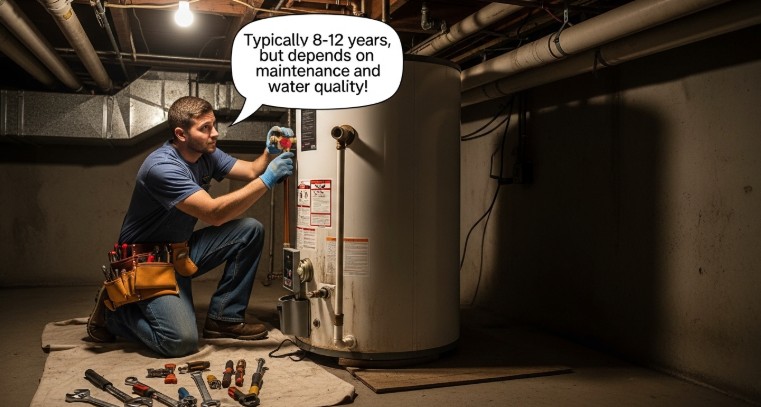
Hot water heaters typically last 8 to 12 years on average, depending on type, maintenance, and water quality. With proper care, some systems can last 15 years or more, while neglected units may fail much sooner.
What Affects Hot Water Heater Lifespan?
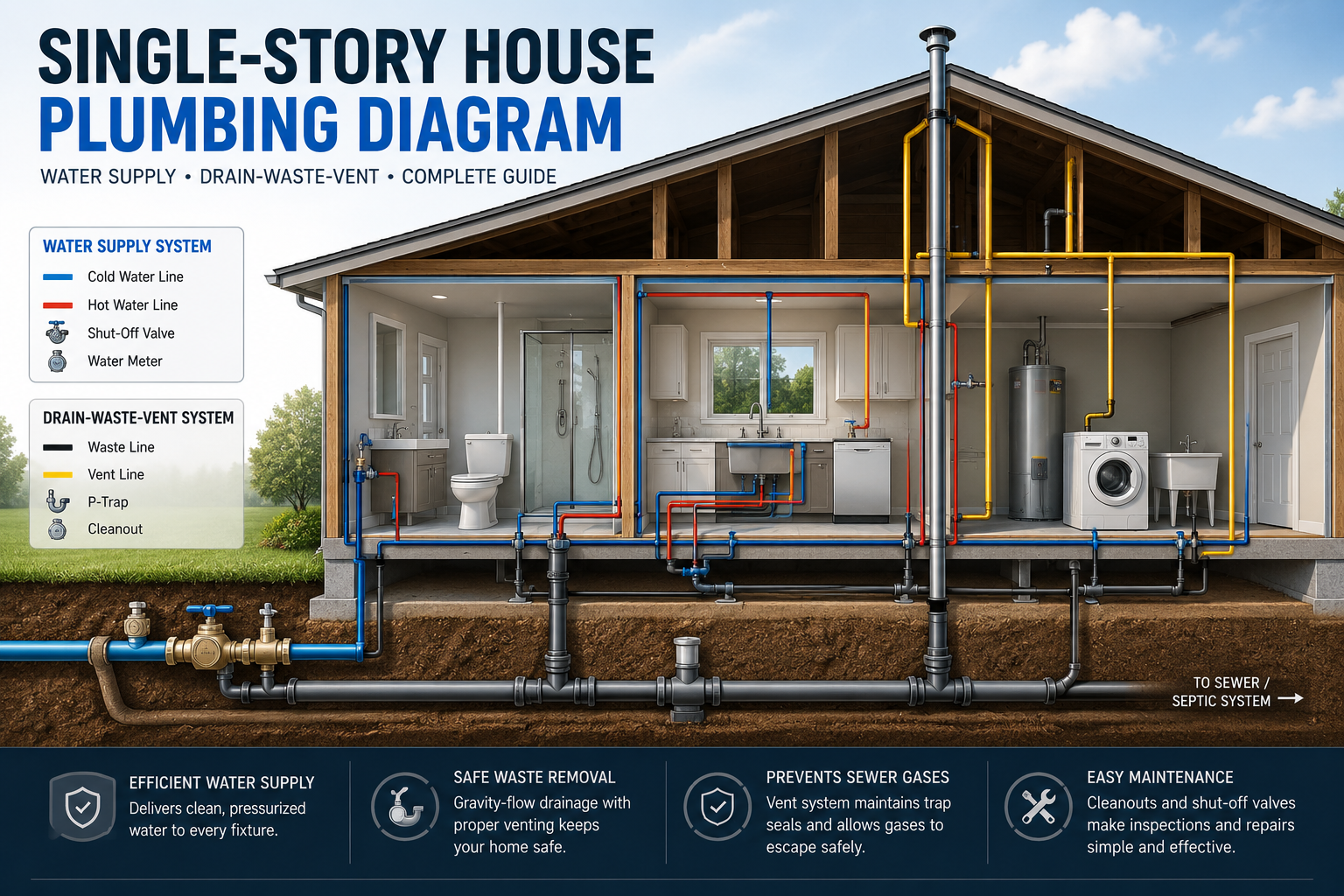
A hot water heater is a core part of your home’s plumbing system, supplying hot water for daily activities. However, its lifespan depends on several real-world factors:
- Water hardness: Mineral-rich water causes sediment buildup
- Usage levels: Larger households wear out systems faster
- Tank quality: Better materials resist corrosion longer
- Maintenance habits: Regular flushing extends lifespan
- Installation quality: Poor setup leads to early failure
- Temperature settings: High heat increases internal stress
In actual plumbing scenarios, two identical water heaters can have very different lifespans simply because one was maintained properly while the other was ignored.
How Long Do Hot Water Heaters Last on Average in Real Homes?
Here’s what homeowners typically experience:
- Traditional tank water heaters: 8–12 years
- High-efficiency tank models: 10–15 years
- Tankless water heaters: 15–20 years
For example, in homes with hard water, sediment buildup can cut a tank heater’s life nearly in half if not maintained.
Common Problems That Shorten Water Heater Life
Water heaters rarely fail suddenly—they show warning signs first.
Common issues include:
- Sediment buildup inside the tank
- Internal rust and corrosion
- Failing heating elements or burners
- Pressure valve issues
- Leaks at the tank base
- Overheating due to thermostat failure
In many real-life cases, homeowners call for a fix leaking pipe or emergency service, only to discover the issue is long-term neglect.
Tools Required for Water Heater Inspection & Maintenance
To maintain your system effectively, you’ll need:
- Adjustable wrench
- Screwdriver set
- Multimeter (for electric units)
- Garden hose (for flushing)
- Flashlight
- Safety gloves
These tools allow you to perform basic inspections and preventative maintenance.
Safety Precautions for Water Heater Maintenance
Always prioritize safety before working on your system:
- Turn off power or gas supply
- Let the tank cool before draining
- Avoid touching hot components
- Ensure proper ventilation
- Never proceed if you smell gas
Water heaters combine heat, pressure, and energy, making safe handling essential.
How to Check Water Heater Condition
Step 1 — Inspect External Signs
Check for rust, moisture, or corrosion around the tank and pipes.
Step 2 — Check Water Temperature
Inconsistent heating often indicates internal component failure.
Step 3 — Listen for Noises
Rumbling or popping sounds suggest sediment buildup.
Step 4 — Test Pressure Relief Valve
Ensure it releases pressure correctly to prevent damage.
Step 5 — Flush the Tank
Removing sediment improves efficiency and extends lifespan.
Troubleshooting & Prevention Tips
To maximize lifespan and avoid costly repairs:
- Flush the tank annually
- Keep temperature around 120°F
- Inspect anode rod every 2–3 years
- Fix minor leaks immediately
- Schedule regular inspections
Preventative care is the most effective drain clog solution equivalent for water heaters—it stops problems before they start.
How Long Do Hot Water Heaters Last on Average by Type?
| Type of Water Heater | Average Lifespan | Key Advantage | Common Failure Cause |
|---|---|---|---|
| Standard tank (gas) | 8–12 years | Lower cost | Sediment & corrosion |
| Standard tank (electric) | 10–13 years | Easier upkeep | Element failure |
| High-efficiency tank | 10–15 years | Better insulation | Sensor issues |
| Tankless system | 15–20 years | Energy efficient | Scale buildup |
When to Call a Professional Plumber
You should contact a professional if:
- Your unit is over 10 years old
- You notice rust or leaks
- Hot water becomes inconsistent
- Strange noises persist
- Pressure valve fails
In such situations, professionals like A to Z State Wide Plumbing can assess whether repair or replacement is the best option, preventing further damage.
Cost Factors for Water Heater Repair or Replacement
Costs vary depending on:
- Unit age and condition
- Type of system (tank vs tankless)
- Replacement parts needed
- Labor complexity
- Emergency service requirements
Older systems often become more expensive to maintain than replace.
Maintenance Tips to Extend Water Heater Lifespan
- Flush tank yearly
- Replace anode rod periodically
- Keep safe temperature settings
- Insulate pipes for efficiency
- Schedule professional maintenance
These simple steps can extend your water heater’s life by several years.
People Also Ask — Related Questions
How long do hot water heaters last on average in homes?
Typically 8–12 years with standard use.
What reduces lifespan the most?
Sediment buildup and poor maintenance.
Can water heaters last 20 years?
Yes, especially tankless systems.
How do I know if mine is failing?
Leaks, rust, noise, and poor heating.
Should I repair a 10-year-old unit?
Replacement is often more cost-effective.
Does hard water affect lifespan?
Yes, it accelerates wear and corrosion.
FAQs — How Long Do Hot Water Heaters Last on Average?
What is the average lifespan of a water heater?
8–12 years for tank systems, up to 20 for tankless.
Do electric heaters last longer than gas?
Slightly, due to fewer combustion parts.
Why do heaters fail early?
Mostly due to sediment buildup.
Can maintenance extend lifespan?
Yes, significantly.
How often should I replace my heater?
Every 10–12 years on average.
What happens if I delay replacement?
Risk of leaks, inefficiency, and failure increases.
Conclusion: Understanding Water Heater Lifespan
Understanding how long hot water heaters last on average helps you avoid unexpected breakdowns and plan for replacement before problems escalate.
The key takeaway: maintenance is everything. A well-maintained system can last years longer, save energy, and prevent costly plumbing emergencies.
Act early when you notice warning signs, and you’ll keep your home running smoothly without surprise failures.