


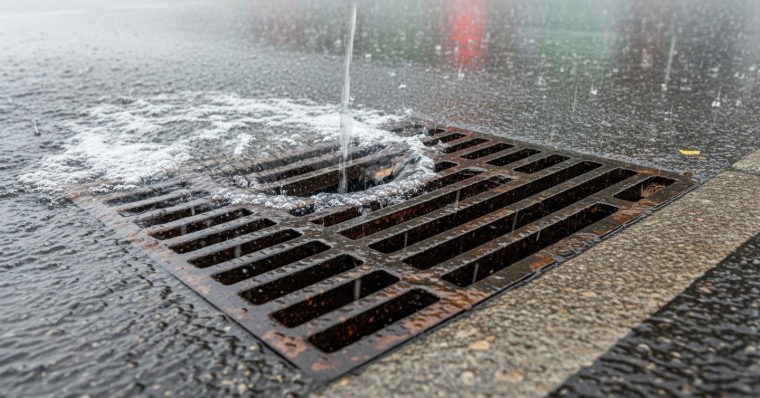
Quick Answer — What does a storm drain look like?
A storm drain typically looks like a metal grate, curb opening, or rectangular slotted inlet found along streets, parking lots, sidewalks, or driveways. Its purpose is to collect rainwater and channel it into an underground drainage system to prevent flooding.
Why Storm Drains Matter More Than You Think
After a heavy rainstorm, you’ve probably noticed water quickly disappearing into openings along the road or curb. Most people don’t think twice about it, but that simple structure plays a huge role in protecting homes, streets, and foundations from flooding.
Understanding what a storm drain looks like isn’t just curiosity, it helps homeowners identify drainage issues early, prevent water damage, and know when a clog is turning into a serious plumbing problem that may require an emergency plumber.
In real-world plumbing situations, many flood complaints aren’t caused by broken pipes, but by blocked or overflowing storm drains.
Immediate Understanding: What a Storm Drain Actually Looks Like
A storm drain is a visible entry point into a hidden underground drainage system. You can recognize it by:
- Flat metal grates with parallel or crisscross bars
- Rectangular curb openings along roads
- Circular or square covered drain inlets
- Concrete basins with heavy-duty grating
They are always placed in low-lying areas where water naturally collects, such as street corners, parking lot dips, or sloped driveways.
What Does a Storm Drain Look Like in Different Settings?
Residential Areas
In neighborhoods, storm drains are usually smaller and more discreet:
- Metal grates near curbs or sidewalks
- End-of-driveway drainage inlets
- Yard or patio drainage covers
- Designed for moderate rainfall runoff
These are often the first line of defense against basement or foundation water intrusion.
Commercial Parking Lots
In commercial zones, storm drains are larger and more visible:
- Heavy-duty rectangular steel grates
- Reinforced concrete drainage basins
- Connected to large underground pipe systems
These systems handle high water volume during storms.
Roadways & Highways
On streets and highways, storm drains are built for maximum efficiency:
- Curb inlets (side openings instead of top grates)
- Deep concrete catch basins
- Engineered for rapid stormwater flow
They prevent roadway flooding and vehicle hydroplaning hazards.
Landscaped or Residential Yard Systems
In landscaped areas, storm drainage can blend into design features:
- Decorative grates or hidden drain covers
- French drain-style systems
- Gravel-covered drainage channels
These systems are often used to prevent soggy lawns and foundation damage.
Core Explanation: How Storm Drains Work in Plumbing Systems
Storm drains are part of a municipal drainage network designed to manage rainwater—not wastewater.
They serve four key purposes:
- Collect rainwater runoff from surfaces
- Prevent street and property flooding
- Direct water away from buildings and foundations
- Reduce soil erosion and landscape damage
Basic Flow Process
Rainwater → storm drain grate → underground pipe system → storm sewer network → natural water bodies (rivers, lakes, retention basins)
Unlike sanitary sewer systems, storm drains do not treat water—they simply transport it away.
Common Plumbing & Drainage Problems Related to Storm Drains
Storm drains can develop serious issues over time, especially if maintenance is ignored:
- Leaves, dirt, and trash blockages
- Standing water around drain openings
- Slow drainage during heavy rain
- Cracks in drain basins or surrounding pavement
- Foul odors from trapped organic material
- Street or driveway flooding
Real-world example:
Homeowners often assume poor yard grading is causing flooding, when in reality the storm drain nearby is clogged with leaves and sediment.
Tools Required for Storm Drain Inspection & Maintenance
- Flashlight
- Drain rod or sturdy stick
- Garden hose
- Protective gloves
- Drain inspection camera (professional-grade)
Safety Considerations When Inspecting Storm Drains
Storm drains may seem simple, but they carry real risks:
- Never enter a storm drain system
- Avoid standing water that may be contaminated
- Watch for slippery surfaces near grates
- Keep children and pets away from open drains
- Use gloves when removing debris
If flooding or sewage odors are present, it may require immediate plumbing intervention.
How to Identify and Inspect a Storm Drain
Step 1 — Locate the Drain
Check low points in your area, especially:
- Curbs
- Driveway edges
- Street corners
- Parking lot dips
Step 2 — Examine the Drain Cover
Look for:
- Metal grates or curb openings
- Rust, cracks, or damage
- Visible debris buildup
Step 3 — Check Water Flow
Pour a small amount of water nearby and observe:
- Fast drainage = system is clear
- Slow drainage = possible blockage
Step 4 — Remove Surface Debris
Carefully clear:
- Leaves
- Trash
- Dirt buildup
Step 5 — Inspect for Structural Issues
Watch for:
- Sinkholes or ground settling
- Cracked concrete
- Misaligned grates
Step 6 — Monitor During Rainfall
Real performance testing during storms helps identify hidden issues like partial blockages.
Troubleshooting & Prevention Tips
- Clean storm drain grates regularly
- Remove debris after storms
- Maintain proper yard grading
- Install drain guards or filters
- Schedule seasonal inspections
Preventative maintenance is far cheaper than flood damage repairs or emergency plumbing calls.
Comparison: DIY Storm Drain Maintenance vs Professional Service
| Factor | DIY Maintenance | Professional Service |
|---|---|---|
| Cost | Low | Moderate |
| Tools | Basic household tools | Advanced diagnostic equipment |
| Accuracy | Limited | High precision |
| Capability | Surface cleaning only | Deep system inspection |
| Risk Level | Low–Moderate | Low |
| Best For | Minor debris removal | Severe blockages or flooding |
When to Call a Professional Plumber
You should contact a professional if:
- Water pools around drains after rainfall
- Drain is completely blocked
- You notice structural damage or sinking ground
- Multiple drainage points are failing
- Repeated flooding occurs
In these cases, experienced services like A to Z State Wide Plumbing can diagnose underground drainage issues, remove deep blockages, and restore proper water flow safely and effectively.
Cost Factors for Storm Drain Repair & Maintenance
Costs depend on:
- Severity of blockage
- Drain location and accessibility
- Equipment and labor required
- Inspection complexity
- Emergency service needs
Minor cleaning is typically affordable, while excavation or pipe repair increases costs significantly.
People Also Ask — Related Questions
What does a storm drain look like on the street?
A metal grate or curb-side opening designed to collect rainwater.
Are storm drains connected to sewer systems?
No, they usually drain into natural water bodies.
Why do storm drains have grates?
To prevent debris and large objects from entering the system.
Can storm drains get clogged?
Yes, especially with leaves, trash, and sediment.
Do storm drains smell?
They can if organic material builds up inside.
Are storm drains dangerous?
Yes, especially during heavy rain or flooding conditions.
FAQs — What does a storm drain look like?
What does a storm drain look like in neighborhoods?
A rectangular or square metal grate near curbs or sidewalks.
How can I identify a storm drain?
Look for grated openings where rainwater collects and disappears.
Do all storm drains look the same?
No, designs vary based on location and water flow needs.
Can I open a storm drain myself?
Surface cleaning is fine, but internal access should be handled by professionals.
Why is my storm drain not draining?
Most likely due to debris blockage or underground pipe issues.
Are storm drains part of plumbing systems?
Yes, they are part of outdoor stormwater drainage infrastructure.
How often should storm drains be cleaned?
At least seasonally or after heavy storms.
What should I do if my storm drain overflows?
Call a professional plumber immediately for inspection and clearing.
Conclusion: Understanding What a Storm Drain Looks Like
Understanding what a storm drain looks like helps homeowners recognize how water is managed around their property and community. These simple-looking structures are actually part of a complex drainage system that protects homes, roads, and landscapes from flooding.
Key takeaway:
A storm drain may look like a simple metal grate, but it plays a critical role in preventing water damage. Regular cleaning and early attention to blockages can save you from costly repairs and emergency plumbing situations.


