
Living in Miami-Dade County comes with a lot of perks, but it also comes with a set of plumbing challenges that homeowners in other parts of the country do not deal with. The combination of hard water, aging pipes, tropical storms, and heavy use of air conditioning systems creates conditions that can wear down your plumbing faster than you might expect. The good news is that most common plumbing problems are preventable if you know what to look for and take a few routine steps.
Hard Water & Its Effect on Your Pipes
South Florida’s water supply is drawn from the Biscayne Aquifer, which runs through limestone rock. As a result, the water that flows into your home contains high levels of calcium and magnesium. Over time, these minerals build up inside your pipes, water heater, and fixtures. You might notice white, chalky deposits around your faucets or showerheads. That buildup is happening inside your pipes too.
Mineral deposits restrict water flow and reduce the efficiency of your water heater. In some cases, they can lead to pipe blockages or cause older pipes to corrode from the inside out. Installing a water softener or a whole-house filtration system is one of the most effective ways to slow this process down. If a full system is not in your budget right now, even cleaning your fixtures and flushing your water heater regularly can help extend the life of your plumbing.
Drain Clogs Are Easier to Prevent Than to Fix
Clogged drains are one of the most common plumbing problems in any household, and they are almost always preventable. In the kitchen, grease and food particles are the usual culprits. Pouring cooking oil or grease down the drain might seem harmless in the moment, but it solidifies inside your pipes and traps other debris. Over time, this creates a blockage that slows drainage and can eventually cause a backup.
In the bathroom, hair and soap residue are the main offenders. A simple mesh drain cover can catch most of it before it enters your pipes. Clean these covers regularly, and avoid flushing anything other than toilet paper. Items like wipes, cotton swabs, and dental floss do not break down in water and are a leading cause of sewer line clogs.
When to Schedule a Drain Cleaning
If your drains are slow but still functioning, it is tempting to pour a chemical drain cleaner down and call it done. But those products can damage your pipes over time, especially if your home has older PVC or galvanized steel piping. A better approach is to schedule a drain cleaning with a licensed plumber once a year. They will use hydrojetting or a mechanical snake to clear buildup without harming your pipes.
Watch for Leaks Before They Become Expensive
A small leak might not seem like a big deal, but it adds up fast. A faucet that drips once per second wastes more than 3,000 gallons of water per year. Beyond the water bill, leaks can cause mold growth, wood rot, and structural damage, especially in South Florida’s humid climate where moisture problems escalate quickly.
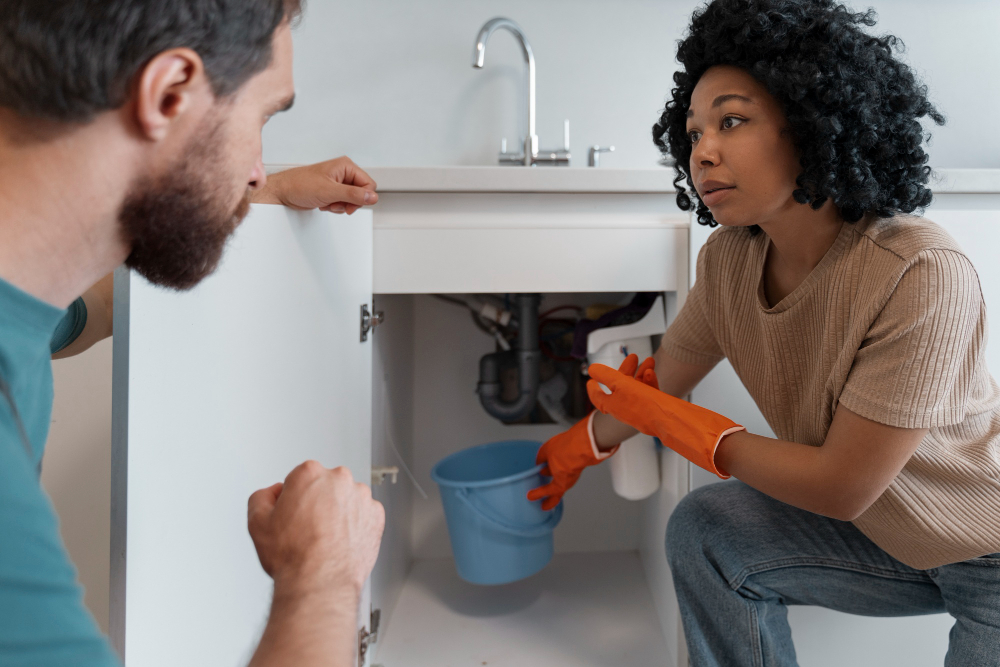
Check under your sinks regularly for signs of moisture, discoloration, or a musty smell. Look at your water meter when no one in the house is using water. If the dial is still moving, you likely have a hidden leak somewhere in the system. Leak detection services can pinpoint the source without tearing into your walls or floors.
Protect Your Plumbing During Storm Season
Miami-Dade’s hurricane season runs from June through November, and heavy rainfall during storms can overwhelm your home’s drainage system. If your property does not have adequate drainage or if your sewer cleanout is clogged, storm water can back up into your home through floor drains and toilets.
Before the season starts, have your sewer line inspected. A camera inspection can reveal cracks, root intrusion, or buildup that could cause problems during a heavy rain event. Make sure your sump pump is working properly if you have one, and consider installing a backflow preventer if your home does not already have one. These devices stop sewage from reversing direction and entering your living space.
Keep Your Water Heater in Good Shape
Water heaters take a beating in South Florida because of the hard water. Sediment collects at the bottom of the tank, which reduces heating efficiency and shortens the unit’s lifespan. Flushing your water heater once or twice a year removes that sediment and helps the unit run more efficiently.
Check the anode rod inside the tank as well. This metal rod attracts corrosive elements in the water so they do not attack the tank walls. Once the anode rod is depleted, the tank itself starts to corrode. Replacing the rod every three to five years is a low-cost way to add years to your water heater’s life.
Know When to Call a Professional
Some plumbing tasks are fine for a homeowner to handle. Replacing a showerhead, tightening a loose fitting, or plunging a clogged toilet are all manageable. But if you are dealing with low water pressure throughout the house, recurring clogs, discolored water, or any sign of a sewer line issue, it is time to call a licensed plumber.
Attempting DIY repairs on your main water line, sewer line, or water heater can void warranties and create bigger problems. In Florida, plumbing work that involves permits or connections to the municipal system must be done by a licensed professional.
Prevention is always less expensive than repair. A little attention to your plumbing system throughout the year can help you avoid the most common plumbing problems Miami-Dade homeowners face and keep your home’s water flowing the way it should.