
Plumbing leaks in a commercial property are a different situation than a dripping faucet at home. The stakes are higher, the systems are larger, and the damage can escalate quickly. A leak in a restaurant kitchen, an office building, or a retail space can shut down operations, damage inventory, and create liability issues. Knowing how to handle plumbing leaks when they happen and how to reduce the chances of them occurring in the first place can save your business time and money.
Why Commercial Plumbing Leaks Happen
Commercial plumbing systems handle significantly more volume than residential ones. Restaurants, hotels, medical facilities, and office buildings run water through their systems constantly throughout the day. That level of use puts more stress on pipes, fittings, valves, and fixtures.
In South Florida, hard water adds another layer of wear. The mineral content in the local water supply causes buildup inside pipes, which restricts flow and increases pressure on joints and connections. Over time, this can lead to pinhole leaks, corroded fittings, and failed seals.
Aging infrastructure is another common factor. Many commercial buildings in Miami-Dade and Broward County were built decades ago, and some still have original plumbing that has never been updated. Galvanized steel pipes, in particular, are prone to internal corrosion and can develop leaks without any visible warning on the outside.
Steps to Take When You Discover a Leak
If you or your staff discover a plumbing leak, acting quickly makes a difference.
Start by shutting off the water supply to the affected area if possible. Most commercial buildings have zone shut-off valves that allow you to isolate a section of the plumbing without turning off water to the entire building. If you do not know where these valves are, that is something worth finding out before you need them.
Next, move any equipment, inventory, or materials away from the water. Even a small leak can cause damage to electronics, documents, flooring, and walls if it is not addressed quickly.
Document the damage. Take photos and notes for your insurance records. If the leak has affected a tenant or customer area, you may need this documentation for liability purposes as well.
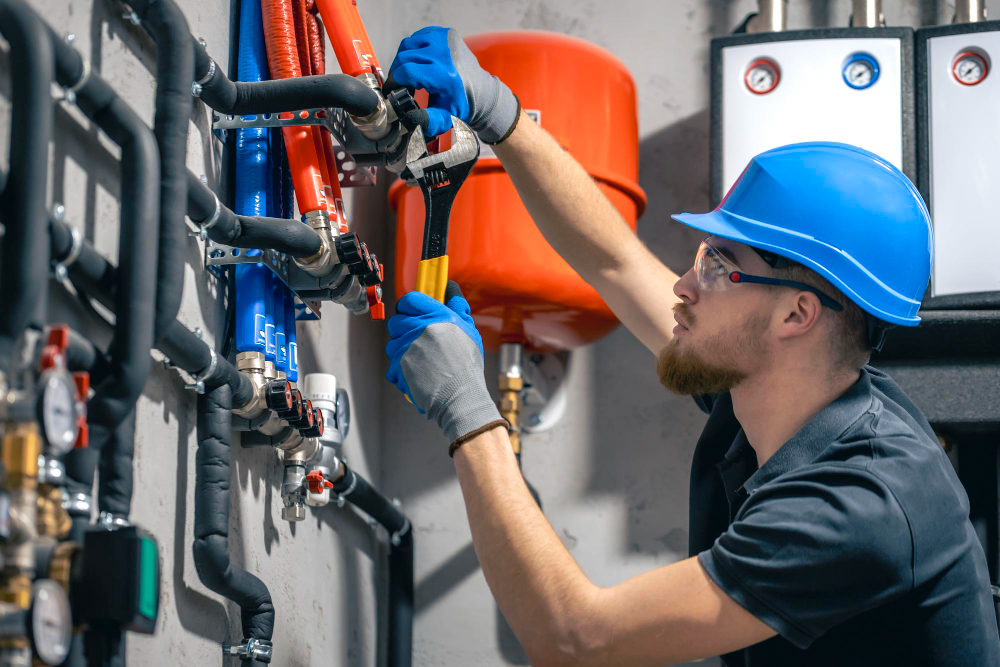
Then call a licensed commercial plumber. Describe the location, severity, and any steps you have already taken. A plumber experienced with commercial systems will be able to diagnose the issue faster and bring the right equipment for the job.
Leaks You Might Not See
Not all leaks are obvious. Some of the most damaging leaks in commercial properties happen behind walls, above ceilings, or under slab foundations. Signs of a hidden leak include unexplained increases in your water bill, damp spots or discoloration on walls and ceilings, a musty odor, or a water meter that continues running when no water is being used.
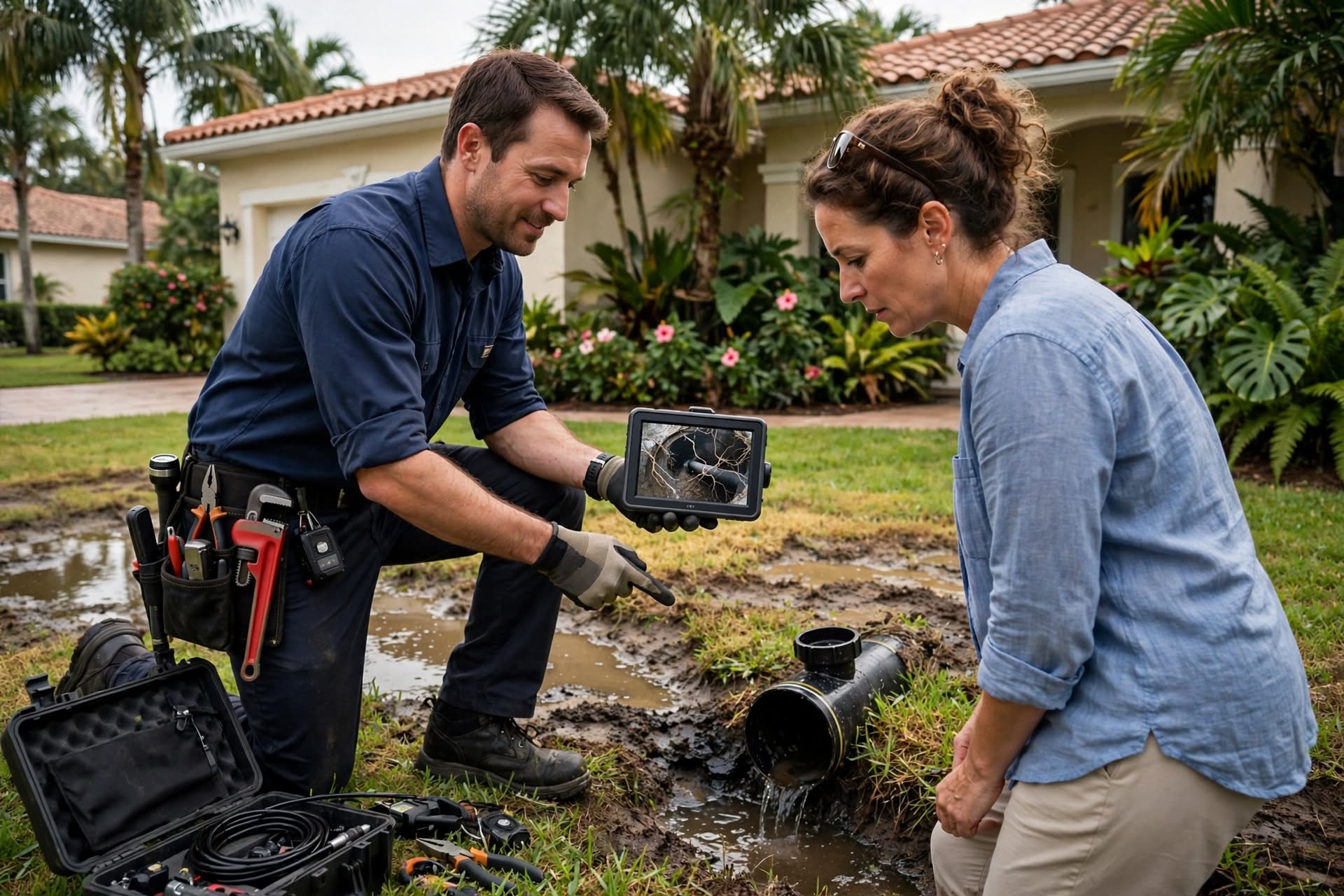
Leak detection services use electronic listening devices, thermal imaging, and camera inspections to find leaks without tearing into your building. For commercial properties, this kind of non-invasive detection can prevent unnecessary disruption to your business operations.
Preventing Leaks in Your Commercial Property
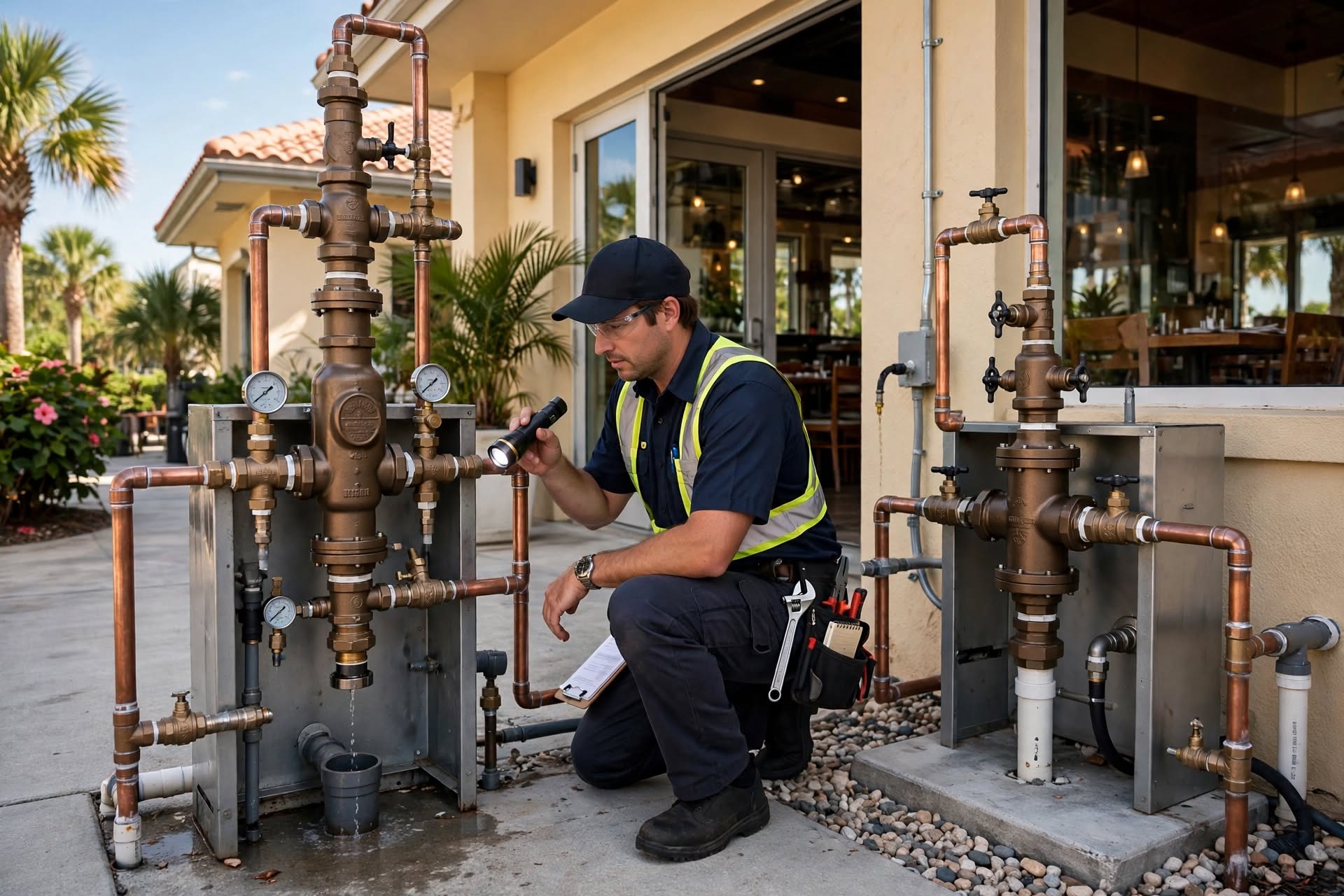
Prevention starts with routine maintenance. Having your plumbing system inspected at least once a year allows a licensed plumber to catch small issues before they become large ones. During an inspection, a technician can check for corroded pipes, worn seals, failing valves, and signs of mineral buildup.
If your building has older piping, talk to your plumber about a re-piping plan. Replacing aging pipes in phases can spread the cost out over time while reducing the risk of a sudden failure.
Grease trap maintenance is also a factor for restaurants and food service businesses. A neglected grease trap can cause backups and overflows that damage plumbing and create health code violations. Regular cleaning keeps the system flowing and reduces pressure on your drain lines.
Train Your Staff
Your employees are often the first to notice a problem. Make sure your staff knows how to identify the signs of a leak that is developing and who to contact when they find one. A quick response can be the difference between a minor repair and a major restoration project.
The Cost of Ignoring Commercial Plumbing Leaks
Water damage in a commercial setting adds up fast. Beyond the repair itself, you may face lost revenue from downtime, increased insurance premiums, mold remediation costs, and possible fines for health or building code violations. In Florida, where humidity accelerates mold growth, even a small undetected leak can lead to a serious indoor air quality issue.
Handling plumbing leaks promptly and maintaining your system on a regular schedule is always less expensive than dealing with the aftermath of a failure. For commercial property owners and managers in South Florida, it is one of the most practical investments you can make.