
Why Vacuum Trucks Matter in Real Plumbing Problems
A slow drain or overflowing sewer line is one thing, but when entire systems fail, standard plumbing tools are no longer enough. Homeowners often realize this during severe backups, flooded basements, or septic tank overflows that quickly turn into an emergency plumber situation.
This is where a vacuum truck becomes essential.
Understanding what a vacuum truck is helps you recognize how large-scale plumbing problems are safely managed. These powerful machines are used when waste, sludge, and contaminated water must be removed quickly, efficiently, and without damaging the plumbing system or surrounding property. In real-world plumbing operations, vacuum trucks are often the difference between a controlled repair and a costly environmental cleanup.
Quick Answer — What is a vacuum truck?
A vacuum truck is a specialized heavy-duty vehicle equipped with a powerful suction system used to remove liquids, sludge, sewage, grease, and debris from septic systems, storm drains, sewer lines, and industrial plumbing systems.
Immediate Understanding: What a Vacuum Truck Is Used For
A vacuum truck is essentially a mobile pumping and waste-removal system used across plumbing, municipal, and industrial services. Instead of manually clearing blockages, it uses industrial suction power to extract materials that cannot be handled with standard drain cleaning tools.
These trucks are commonly used for:
- Sewer and septic tank pumping
- Storm drain cleaning
- Grease trap removal in commercial kitchens
- Flooded basement water extraction
- Industrial waste cleanup and spill response
In many real-life cases, homeowners first try plungers or even a drain snake, but when those fail, even an emergency plumber may call in a vacuum truck to handle the situation safely.
Core Explanation: Why Vacuum Trucks Are Important in Plumbing
Vacuum trucks play a critical role in maintaining large plumbing and drainage systems, especially where waste buildup can create major hazards.
They help prevent:
- Sewer line backups into homes and streets
- Overflowing septic systems that contaminate soil
- Flooded basements and property damage
- Hazardous waste accumulation in commercial systems
- Large-scale drainage system failures during storms
Without vacuum trucks, cities, commercial buildings, and even residential septic systems would frequently experience uncontrolled overflows and sanitation risks.
Common Plumbing Problems That Require a Vacuum Truck
Vacuum trucks are not used for minor clogs, they are deployed in serious plumbing failure situations such as:
- Severely clogged sewer lines affecting multiple fixtures
- Overflowing septic tanks that cannot be pumped normally
- Flooded basements after heavy rainfall or pipe failure
- Industrial grease trap blockages causing system shutdown
- Storm drain backups in roads and parking areas
- Large-scale pipe contamination with sludge or debris
In many real-world scenarios, a plumber first attempts mechanical clearing. But when waste volume is too large or too dangerous, vacuum truck service becomes the only safe solution.
Tools and Systems Inside a Vacuum Truck
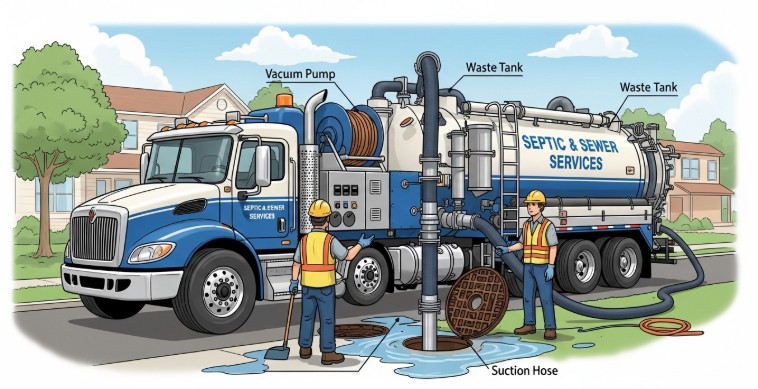
A vacuum truck is far more advanced than it appears. It combines multiple industrial systems designed for heavy-duty waste removal:
- High-powered vacuum pump for suction
- Large storage tank for holding waste materials
- High-pressure water jetting system for breaking blockages
- Flexible suction hoses of various diameters
- Filtration and separation systems for safe handling
- Hydraulic dumping systems for waste disposal
These systems allow technicians to handle everything from liquid sewage to thick sludge and semi-solid waste efficiently.
Safety Considerations When Using Vacuum Trucks
Because vacuum trucks deal with hazardous waste, safety is extremely important:
- Only trained operators should handle vacuum systems
- Protective suits, gloves, and masks are required
- Proper ventilation is necessary during pumping operations
- Avoid direct contact with contaminated waste
- Follow strict environmental disposal regulations
Sewage and industrial waste can contain bacteria, gases, and toxic substances, making professional handling essential.
Step-by-Step Overview: How a Vacuum Truck Works
The process is highly structured to ensure safety and accuracy:
First, the technician inspects the site to identify the source of blockage or waste buildup.
Next, hoses are securely connected to the drain, sewer line, or tank system.
Then, the vacuum pump is activated, creating powerful suction that pulls liquids, sludge, and debris into the truck’s storage tank.
In some cases, high-pressure water jetting is used first to break down hardened blockages before suction begins.
After extraction, the waste is safely transported to a licensed treatment or disposal facility.
Finally, the system is tested to ensure proper flow has been restored and no remaining blockage exists.
This process is commonly used when standard drain clog solutions or pipe cleaning methods fail completely.
Cost Factors for Vacuum Truck Services
Pricing depends on several real-world factors:
- Type of waste (sewage, grease, stormwater, industrial sludge)
- Total volume of material removed
- Location accessibility (urban vs hard-to-reach sites)
- Emergency or after-hours service needs
- Equipment size and complexity required
- Waste disposal and treatment fees
Residential septic pumping is typically less expensive, while industrial or municipal cleanup projects cost significantly more.
DIY vs Professional Vacuum Truck Services
DIY Approach
- Not possible for vacuum truck operations
- No household alternative for industrial suction power
- Extremely unsafe for sewage or chemical waste
- High risk of contamination and property damage
- No ability to dispose of waste legally or safely
Professional Service
- Trained technicians with industrial equipment
- Safe extraction of hazardous and large-volume waste
- Proper transportation and disposal methods
- Suitable for residential, commercial, and municipal systems
- Reduces environmental and health risks significantly
Common Problems Caused by Delayed Vacuum Truck Services
Delaying service can quickly escalate plumbing problems into major emergencies:
- Raw sewage backing up into homes
- Septic system overflow and ground contamination
- Structural water damage to foundations
- Persistent foul odors throughout property
- Soil and groundwater contamination
- Complete system failure requiring major repairs
What starts as a slow drain or small backup can turn into a full-scale sanitation emergency if ignored.
Troubleshooting & Prevention Tips
Preventing vacuum truck emergencies is possible with good maintenance habits:
- Schedule regular septic tank pumping
- Avoid flushing grease, wipes, or solid waste
- Install drain strainers in sinks and showers
- Inspect sewer lines annually for early warning signs
- Address slow drainage immediately before it worsens
Preventative care is always cheaper than emergency cleanup and repair.
When to Call a Professional Plumber
You should call a professional immediately if:
- Sewer water is backing up into drains
- Septic tank is overflowing or leaking
- Multiple drains clog at the same time
- Flooding occurs after heavy rain
- Strong sewage odors are noticeable indoors
In these situations, experienced services like A to Z State Wide Plumbing can assess the issue and determine whether a vacuum truck is required to safely restore the system and prevent further damage.
People Also Ask — Related Questions
What is a vacuum truck used for in plumbing?
It removes sewage, sludge, and debris from large drainage and septic systems.
How powerful is a vacuum truck?
It uses industrial suction strong enough to remove heavy waste and liquids quickly.
Can a vacuum truck unclog sewer lines?
Yes, especially when combined with high-pressure water jetting.
Do vacuum trucks clean septic tanks?
Yes, they are commonly used for septic pumping and maintenance.
How much waste can a vacuum truck hold?
Most trucks hold thousands of gallons depending on size.
Is a vacuum truck used for homes?
Yes, mainly for septic systems and severe backup situations.
When is a vacuum truck needed?
When waste buildup exceeds normal plumbing tools or causes system failure.
FAQs — What is a vacuum truck?
What is a vacuum truck in simple terms?
A vehicle that uses suction to remove liquid waste and debris from plumbing systems.
How does a vacuum truck work?
It creates suction to pull waste into a storage tank for safe disposal.
Are vacuum trucks safe for plumbing systems?
Yes, when operated by trained professionals.
Can vacuum trucks remove solid waste?
Yes, depending on the system and waste type.
How long does vacuum truck service take?
Usually 1–3 hours depending on severity.
What industries use vacuum trucks?
Plumbing, construction, municipal services, and industrial cleanup.
Conclusion: Understanding What a Vacuum Truck Is
Understanding what a vacuum truck is gives homeowners and property managers a clearer view of how serious plumbing and drainage issues are resolved safely and efficiently. These machines are essential when waste volumes or blockage severity go beyond the capability of standard plumbing tools.
The key takeaway is simple: vacuum trucks are not just equipment, they are a critical part of modern plumbing infrastructure that prevents sanitation disasters, protects property, and restores system functionality when everything else fails.