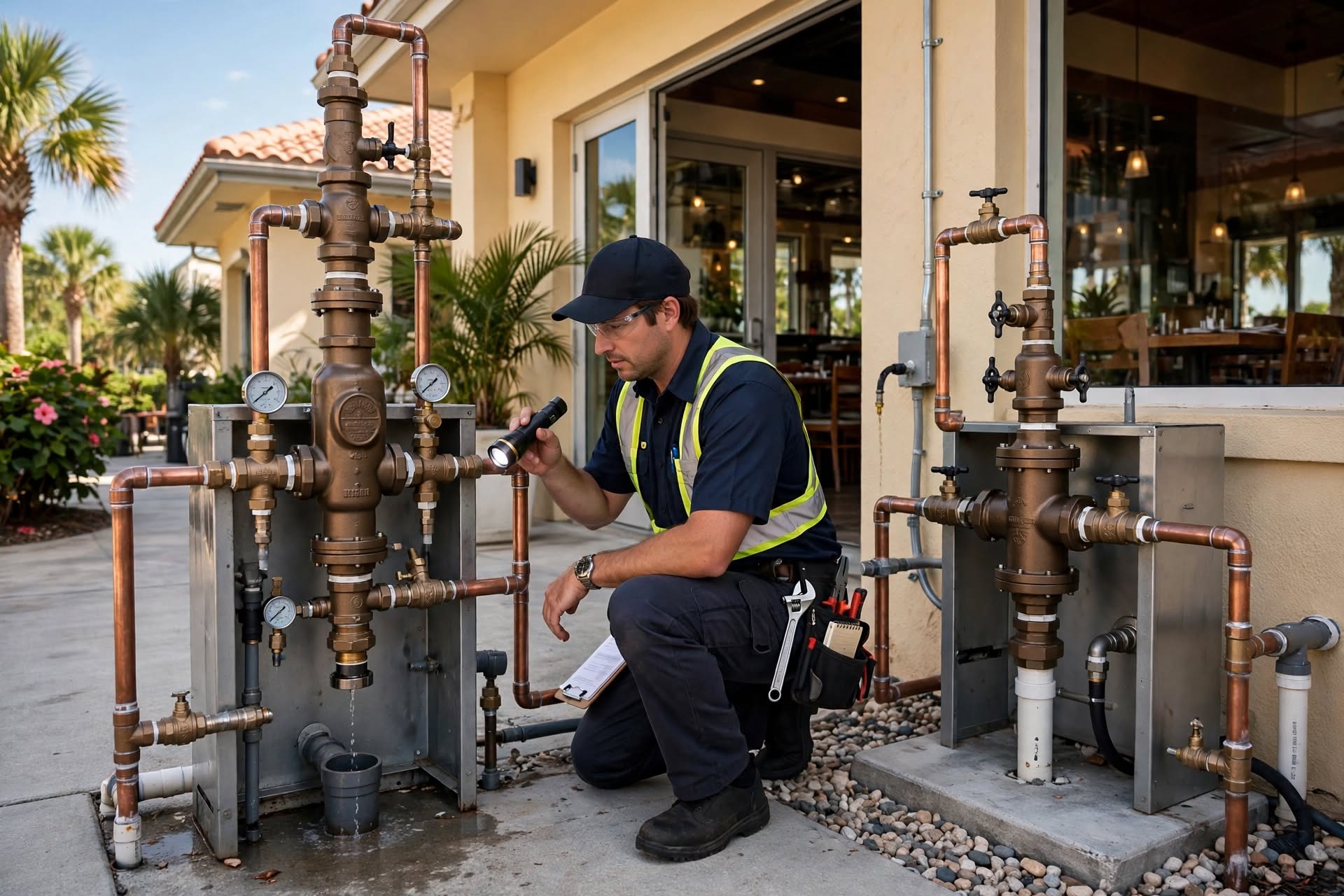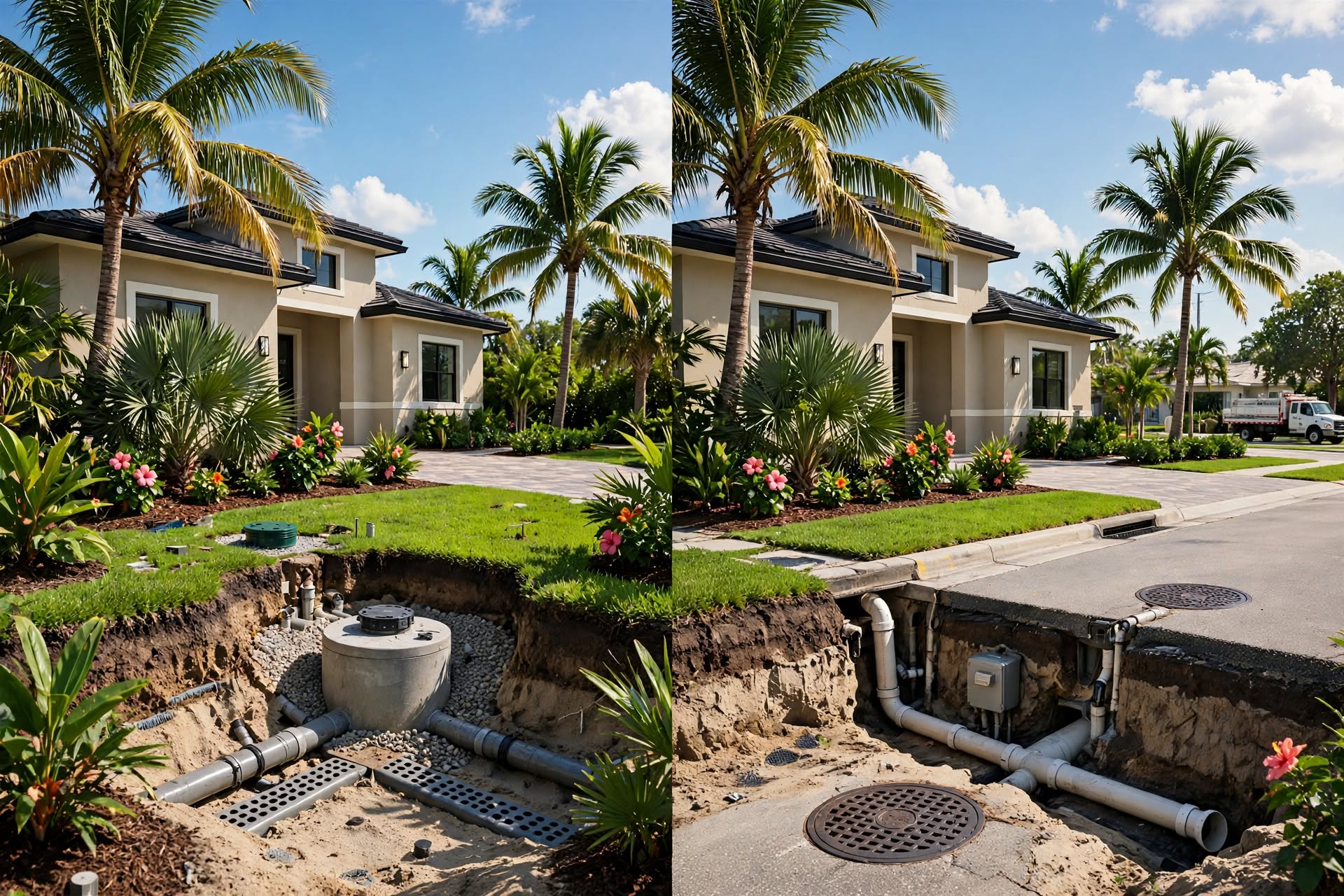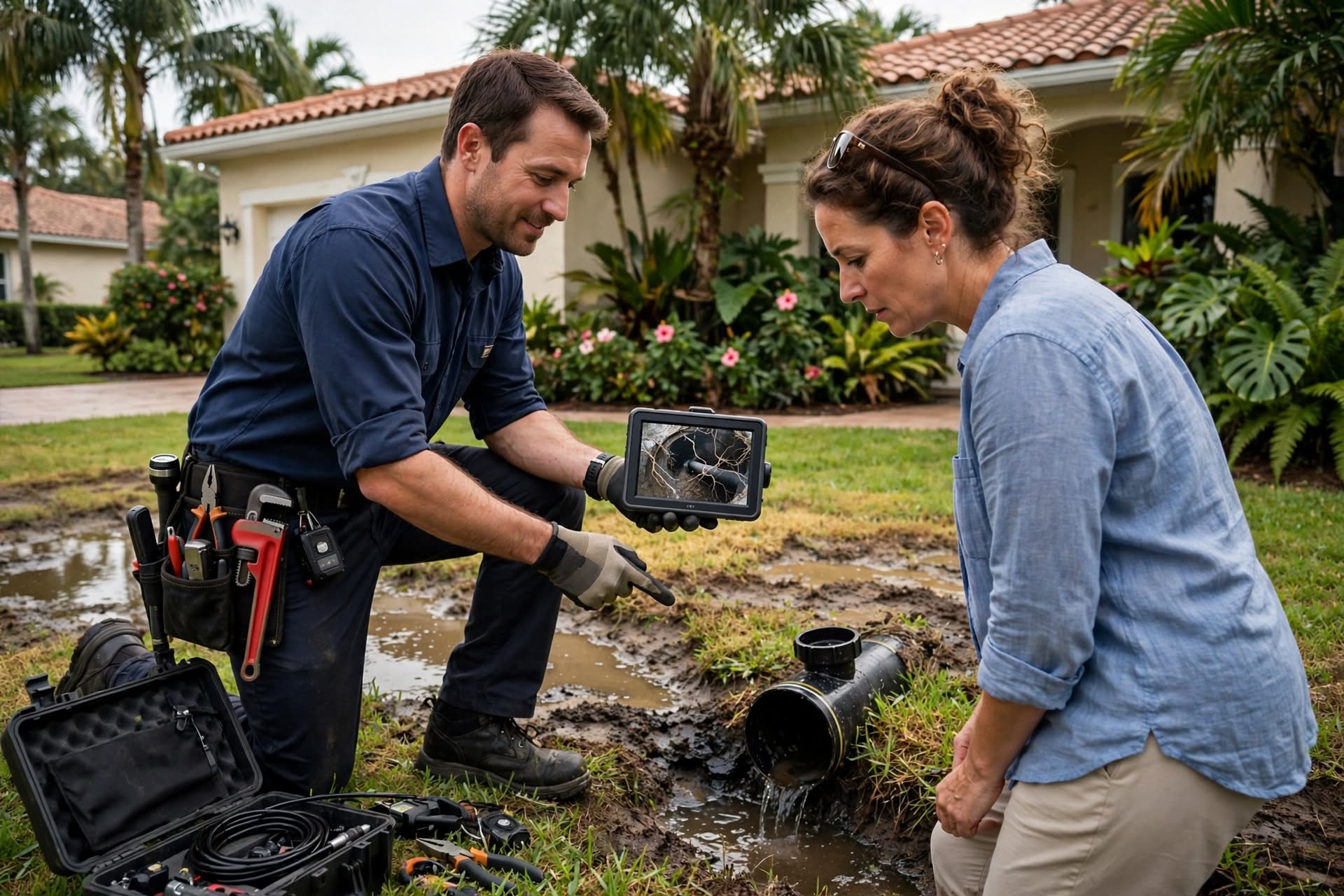

Behind every restaurant, manufacturing facility, car wash, and commercial property with underground waste systems, there is infrastructure that requires regular maintenance. Septic tanks fill up. Grease traps accumulate sludge. Storm drains collect debris. Lift stations need cleaning. Commercial vacuum service handles all of these jobs, removing waste that would otherwise cause backups, odors, and code violations.
If you manage commercial property in South Florida, knowing what vacuum services do and when you need them can save you from emergency situations that disrupt operations and damage your reputation.
What Commercial Vacuum Trucks Actually Do
A vacuum truck is exactly what it sounds like. A large tank mounted on a truck chassis connects to a powerful pump that creates suction. Hoses extend from the truck to the access point of whatever system needs cleaning. The pump pulls liquid and solid waste into the tank for transport to a licensed disposal facility.
This equipment handles jobs that would be impossible with conventional tools. You cannot bail out a 1,000-gallon grease trap with buckets. You cannot snake out a septic tank. When large volumes of waste need removal from underground tanks, pits, or drainage systems, vacuum service is the only practical option.
Septic System Pumping
Commercial septic systems handle far more volume than residential systems. Restaurants, hotels, office buildings, and retail centers generate wastewater constantly throughout operating hours. Even a properly sized septic tank fills up faster under commercial use and requires more frequent pumping.
When a vacuum truck services a septic system, the operator removes all the liquid and solid contents from the tank. This includes the sludge layer at the bottom, the scum layer floating on top, and the liquid in between. Complete removal allows the technician to inspect the tank interior for cracks, baffle damage, or other problems that could cause failures.
The Grease Trap Cleaning
Health codes require food service establishments to maintain grease traps that prevent fats, oils, and grease from entering the municipal sewer system. These traps fill up over time, and a full trap cannot do its job. Grease passes through to the sewer lines, where it solidifies and causes blockages.
Commercial vacuum service removes the accumulated grease, food particles, and wastewater from the trap. The operator also scrapes down the interior walls and checks the baffles and flow patterns. Regular cleaning keeps your establishment compliant with health department requirements and prevents the kind of backups that shut kitchens down during service.
The Lift Station & Wet Well Cleaning
Properties that sit below the elevation of municipal sewer lines rely on lift stations to pump wastewater uphill. These stations include wet wells that collect incoming wastewater before the pumps move it along. Over time, solids accumulate in the wet well, reducing capacity and interfering with pump operation.
Vacuum trucks remove the buildup from lift stations, restoring full capacity and preventing pump failures. This maintenance extends the life of pumping equipment and avoids the emergency calls that come when a lift station stops working on a busy Friday night.
The Storm Drain & Catch Basin Cleaning
Parking lots, loading docks, and paved areas drain into catch basins that trap sediment and debris before water enters the storm system. These basins have limited capacity. When they fill with sand, leaves, trash, and other material, water backs up during rainstorms and floods the surrounding area.
Commercial vacuum service cleans out catch basins and storm drains, removing accumulated material and restoring proper drainage. Many municipalities require documentation of storm drain maintenance, and regular cleaning helps you meet those requirements.
How Often Do You Need Service
The frequency of commercial vacuum service depends on the type of system and how heavily it gets used. A high-volume restaurant might need grease trap cleaning every two to four weeks. A small office building with a septic system might only need pumping once a year.
Most commercial properties benefit from establishing a regular maintenance schedule rather than waiting for problems to develop. When you wait until a grease trap overflows or a septic system backs up, you face emergency service rates, health code violations, and disruption to your business operations.
A qualified service provider can assess your systems and recommend an appropriate schedule based on your actual usage patterns. They track service history and remind you when maintenance is due, taking one more thing off your management checklist.
Choosing a Good Commercial Vacuum Service Provider
Not all vacuum service companies are the same. Commercial work requires larger equipment, proper licensing, and experience with the specific systems found in business properties. Look for providers who specialize in commercial accounts and have the equipment to handle your needs.
Verify that the company holds appropriate licenses and disposes of waste at approved facilities. Improper disposal can create liability for property owners, so documentation matters. Ask about response times for emergency calls, since commercial properties cannot afford to wait days for service when systems fail.
The right commercial vacuum service provider becomes a partner in keeping your property operational. Regular maintenance prevents emergencies, satisfies regulatory requirements, and protects the infrastructure that your business depends on every day.