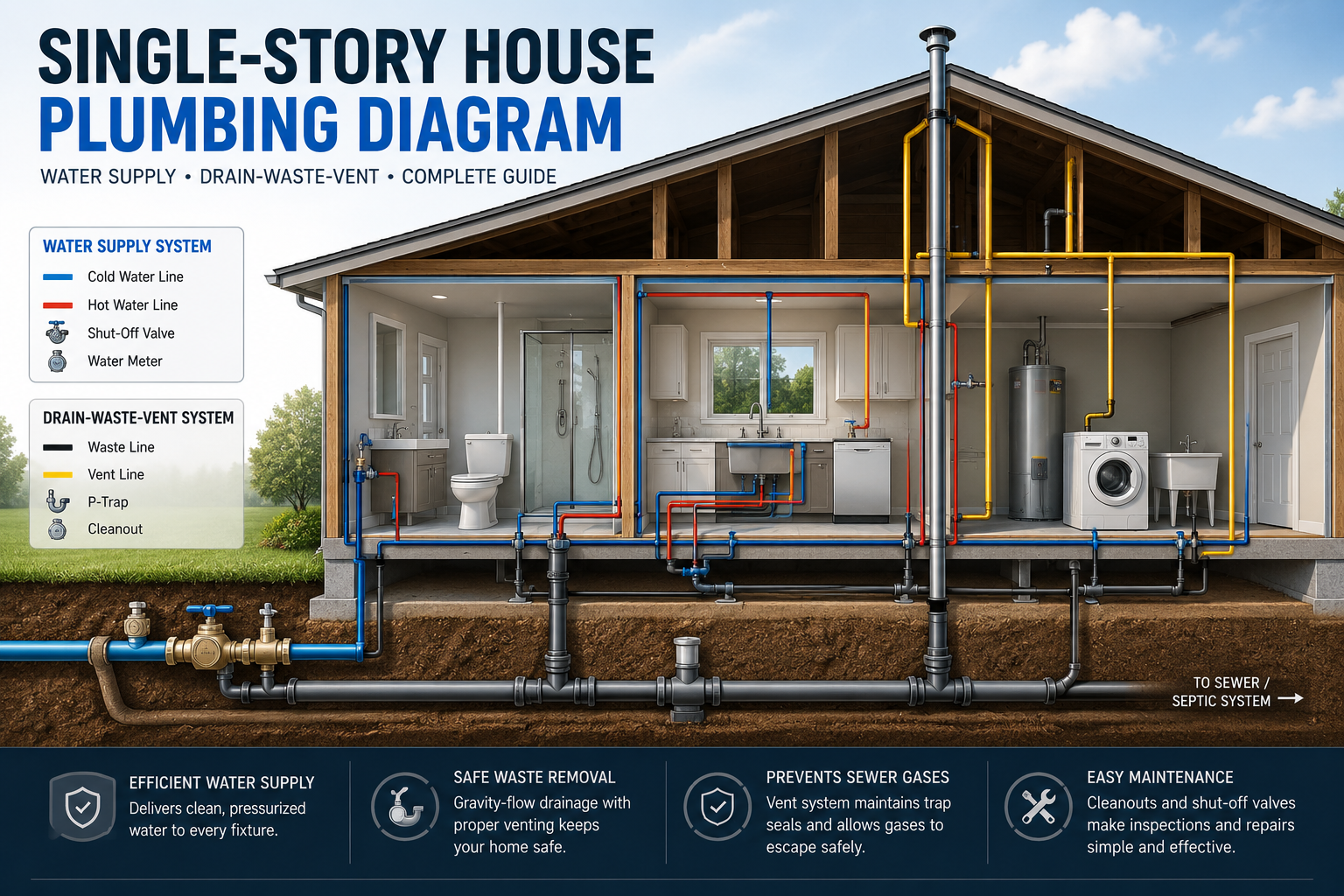

Choosing between tankless water heaters and traditional tank-style units is a decision that affects your daily comfort, utility costs, and home value. Both systems have distinct advantages and limitations that matter differently depending on household size, hot water usage patterns, and budget priorities. This comparison provides the facts you need to make an informed choice.
How Traditional Tank Water Heaters Work
Tank water heaters store heated water in an insulated reservoir, typically holding 40 to 80 gallons depending on household size. The unit maintains water at a set temperature, ready for immediate use when you open a hot water tap. As hot water leaves the tank, cold water enters and the heating cycle continues.
This design has served homes reliably for decades. The technology is straightforward, making repairs relatively simple and inexpensive. Tank heaters work with existing plumbing in most homes without modification.
How Tankless Water Heaters Work
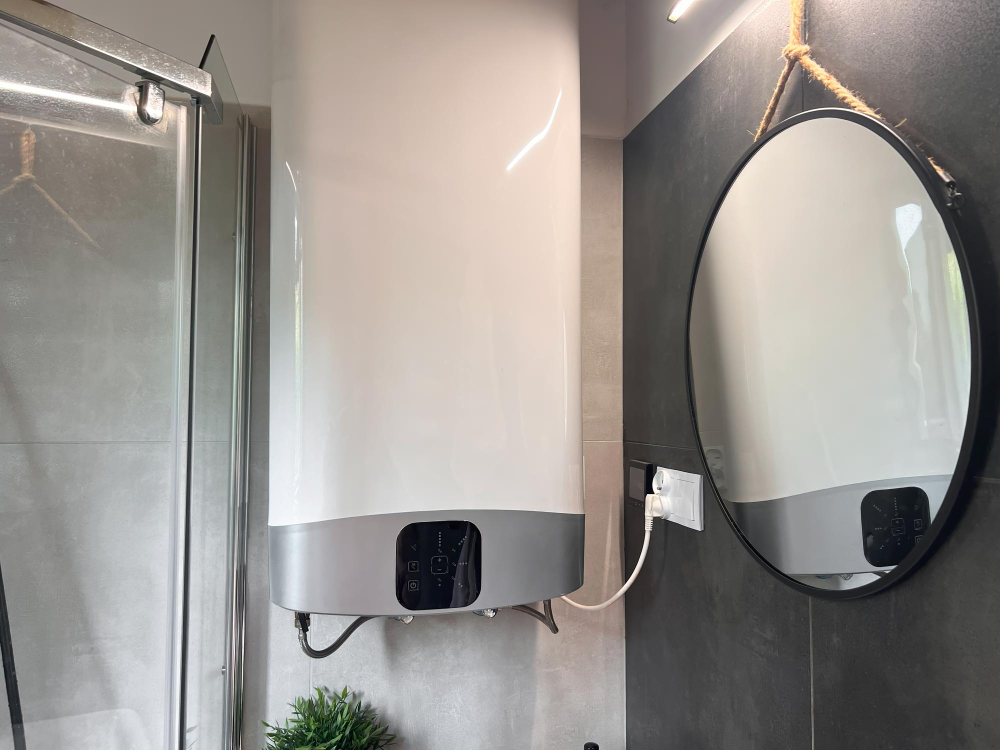
Tankless water heaters, also called on-demand or instantaneous heaters, heat water only when needed. When you turn on a hot water tap, cold water flows through the unit where gas burners or electric elements heat it instantly. The water reaches your fixture without storage.
This approach eliminates standby heat loss, the energy wasted keeping stored water hot. Tankless units are compact, often mounted on walls, freeing floor space that tank heaters occupy.
Energy Efficiency Comparison
Tankless water heaters offer superior energy efficiency in most applications. By heating water only on demand, they avoid the continuous energy consumption required to maintain tank temperature. The U.S. Department of Energy estimates tankless units are 24 to 34 percent more efficient for homes using less than 41 gallons of hot water daily.
For higher-use households, efficiency advantages decrease but remain meaningful. Installing tankless units at each hot water outlet rather than a single whole-house unit can boost efficiency further.
Florida-Specific Considerations
In Florida, incoming water temperatures are warmer than in northern states. This means tankless water heaters require less energy to reach desired temperatures, increasing their efficiency advantage. However, hard water common throughout South Florida requires regular maintenance on both system types.
Upfront Costs & Installation
Traditional tank water heaters cost less to purchase and install. A quality tank unit with installation typically runs $1,000 to $2,500. Replacement installations in homes with existing tank systems require minimal modification.
Tankless water heaters carry higher initial costs. Units range from $1,500 to $4,500, with installation adding $1,000 to $3,000 depending on required modifications. Gas models may need upgraded gas lines and venting. Electric models often require electrical panel upgrades to handle increased demand.
Long-Term Operating Costs
Lower energy consumption reduces monthly utility bills for tankless water heaters. Annual savings typically range from $100 to $200, depending on usage patterns and local energy costs. Over a 20-year lifespan, these savings can offset higher purchase prices.
Maintenance costs also factor in. Both systems need periodic service. Tank heaters require flushing and anode rod inspection. Tankless units need descaling, particularly in hard water areas. Tankless maintenance may cost more per service but occurs less frequently.
Hot Water Capacity & Delivery
Tank water heaters deliver hot water immediately but can run out during high-demand periods. A 50-gallon tank supplies several showers in sequence, but an extended shower marathon or running multiple fixtures simultaneously may exhaust the supply.
Tankless water heaters never run out of hot water since they heat continuously. However, they have flow rate limitations. A unit sized for one shower may struggle to supply two showers running simultaneously. Proper sizing for household demand is essential.
The Cold Water Sandwich Effect
Tankless water heaters can produce a phenomenon called cold water sandwich. When hot water is used, stopped briefly, then used again, a slug of cold water may come through before heating resumes. This is annoying but not dangerous. Some newer units include small buffer tanks to minimize this effect.
Lifespan & Durability
Traditional tank water heaters last 10 to 15 years with proper maintenance. Tank corrosion eventually causes failure regardless of maintenance quality. Florida’s hard water can shorten lifespan to 8 to 12 years without regular flushing and anode rod replacement.
Tankless water heaters typically last 20 years or more. Component replacement can extend service life further. The longer lifespan helps justify higher initial costs when calculating total ownership expenses.
Space Requirements
Tank water heaters require significant floor space. A standard unit occupies a footprint approximately 2 feet by 2 feet and stands 5 feet tall. This dedicated space cannot serve other purposes.
Tankless water heaters mount on walls and measure roughly the size of a small suitcase. This compact design frees garage or utility room space and allows installation in locations where tanks would not fit.
Making the Right Choice
The best water heating system depends on your specific circumstances. Small households with moderate hot water needs often benefit most from tankless water heaters. Large families with high simultaneous demand may prefer tank systems or require multiple tankless units. Budget constraints, available space, and long-term ownership plans all influence the decision.
A licensed plumber can assess your home’s hot water usage, existing infrastructure, and goals to recommend the most appropriate system. This professional evaluation ensures you invest in equipment that meets your household needs efficiently and reliably.