


Lift stations don’t get much attention until something goes wrong. That’s partly because they do their job quietly underground, moving wastewater from lower elevations to higher ones so gravity can take over from there. But when a lift station fails, the results are immediate and messy.
Lift station maintenance comes down largely to the submersible pumps at the center of the system. These pumps run wet, meaning they operate while submerged in the wastewater they’re moving. That environment is hard on equipment, and the only thing that keeps these pumps running reliably is consistent, attentive care.
What a Submersible Pump Does in a Lift Station
A lift station typically has two submersible pumps: one active and one on standby. The active pump runs on a float switch system, turning on when wastewater reaches a set level and shutting off when the wet well drops to another set point. The standby pump takes over if the primary fails or if flow exceeds what one pump can handle.
Both pumps are submerged in the wet well, which means they’re exposed to grit, debris, grease, and corrosive gases around the clock. The motor, impeller, seals, and housing all take a beating in that environment. The service life of a submersible pump depends heavily on how well the system around it is maintained.
The Most Common Causes of Premature Pump Failure
Before getting into maintenance steps, it helps to understand what causes these pumps to fail ahead of schedule.
Ragging
Ragging is what happens when non-dispersible materials, things like wipes, rags, plastic, and grease, wrap around the pump impeller. The impeller is what moves wastewater through the pump, and when it gets tangled or coated, it has to work harder to do the same job. That extra load generates heat, increases wear on the motor bearings, and eventually burns out the motor.
Seal Failure
Submersible pumps have mechanical seals that prevent wastewater from entering the motor housing. These seals wear over time, especially when the pump is cycling frequently or running in conditions with a lot of abrasive material. Once a seal fails, moisture gets into the motor and the pump is finished.
Dry Running
If a pump runs without wastewater to move, the motor overheats quickly. Float switch malfunctions are the most common cause. The switch either sticks in the “on” position or fails to send the signal to shut the pump off at the correct level.
Voltage Issues
Pumps are sensitive to voltage fluctuations. Running on low voltage causes motors to draw more current, which generates heat. Over time, that heat degrades the motor windings. High voltage can cause similar damage from the other direction.
Maintenance Practices That Extend Pump Life
Wet Well Cleaning
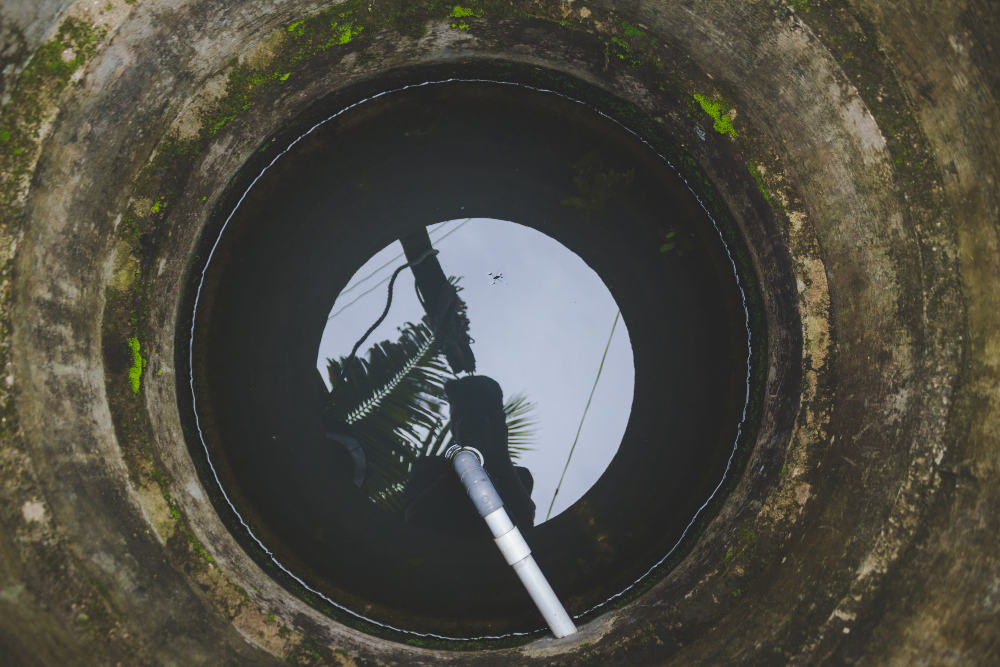
The wet well is the pit where wastewater collects before the pump moves it out. Over time, solids, grit, and grease accumulate on the floor and walls. That buildup produces hydrogen sulfide gas, which is corrosive to pump housings, electrical components, and concrete. Cleaning the wet well on a regular schedule, typically every one to three years depending on the facility, removes that buildup before it causes damage.
Vacuum trucks handle this work. The truck pulls the accumulated material out of the wet well, and the interior is inspected while it’s accessible.
Float Switch Inspection
Float switches are simple devices, but they fail often because of the environment they work in. Grease coats the floats, slime builds up on the cables, and the floats can get tangled against the pump or the wet well walls. Checking and cleaning the floats during every maintenance visit keeps them working accurately.
Electrical Testing
Running electrical checks on the pump motors gives early warning of problems. Insulation resistance testing, also called megger testing, measures how well the motor windings are insulated from the housing. A reading that’s dropping over time indicates moisture intrusion or insulation degradation, which means the pump is on its way out. Catching that early gives time to plan a replacement rather than dealing with an emergency failure.
Impeller & Seal Inspection
At least once a year, the pump should be pulled from the wet well for a physical inspection. This is when the impeller gets checked for wear, damage, or ragging, and the mechanical seals are inspected for signs of leakage. Seals that show wear can be replaced before they fail completely, which is far less expensive than replacing a motor after moisture damage.
Keeping a Maintenance Log
A written log of every service visit, electrical test result, and repair is one of the most useful tools in lift station maintenance. It shows trends over time. If a pump’s insulation resistance has been dropping across three consecutive inspections, that’s a signal to act before it fails. Without a log, that kind of pattern is easy to miss.
When to Replace vs. Repair
Submersible pumps don’t last forever, and at some point the math tilts toward replacement. A pump that’s been repaired several times, has aging bearings, and is drawing more current than it should is going to fail again. A new pump with a known service history is a better investment than continued repairs on one that’s near the end of its life.
A general rule of thumb is to replace a pump when repair costs exceed 50 percent of the replacement cost, or when the pump is more than 15 years old and starting to show repeated problems. Consistent lift station maintenance can push that timeline out considerably, but it doesn’t make pumps last forever. Catching problems early and acting on them is what keeps the system running and keeps repair bills from turning into replacement bills.


