

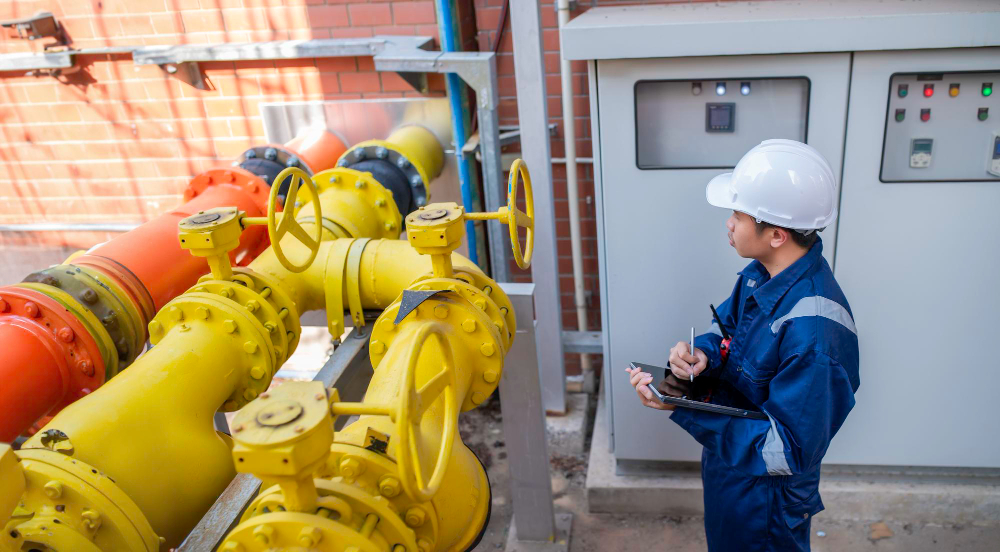
Pump stations serve an essential function in moving wastewater and stormwater where gravity alone cannot do the job. Properties with pump stations depend on these systems operating reliably around the clock. When pump stations fail, the consequences include sewage backups, property damage, environmental violations, and expensive emergency repairs. Regular pump stations service from qualified professionals prevents these problems and extends system lifespan.
How Pump Stations Work
A pump station, sometimes called a lift station, collects wastewater or stormwater in a wet well or holding basin. When water reaches a predetermined level, pumps activate and move the liquid to a higher elevation where it can flow by gravity to treatment facilities or discharge points.
Most pump stations include multiple pumps that alternate operation to distribute wear evenly. Control panels monitor water levels, pump operation, and system status. Alarms alert operators to problems requiring attention.
Common Pump Station Problems
Pump stations face constant stress from the materials they handle and the continuous operation required. Without regular pump stations service, several problems develop.
Pump Clogging & Jamming
Debris entering the wet well can clog pumps or jam impellers. Rags, wipes, grease, and foreign objects accumulate and cause pump failure. Regular cleaning of wet wells and intake screens prevents debris from reaching pumps. Grinder pumps can handle some debris but still require maintenance.
Float Switch Failure
Float switches tell pumps when to activate based on water level. Grease, debris, and biological growth can coat floats and prevent proper operation. A stuck float may prevent pumps from starting, causing overflow, or keep pumps running continuously until they burn out. Float inspection and cleaning is a basic but essential pump station service task.
Electrical Problems
Pump station electrical systems experience corrosion from humidity and hydrogen sulfide gas produced by sewage. Corroded connections, worn contactors, and failing capacitors cause intermittent operation or complete failure. Electrical inspections identify problems before they disable the system.
Pump Wear & Deterioration
Pumps handling abrasive materials and corrosive sewage experience wear over time. Impeller erosion reduces pumping capacity. Seal failure allows water into motor housings. Bearing wear causes vibration and eventual failure. Regular inspections catch wear before it causes unexpected breakdowns.
What Professional Pump Stations Service Includes
A thorough pump station maintenance visit covers multiple system components. Professional technicians follow systematic inspection protocols to ensure nothing is overlooked.
Wet Well Cleaning
Vacuum trucks remove accumulated solids, grease, and debris from wet wells. This cleaning prevents material from reaching pumps and reduces odors. In South Florida, where biological growth occurs rapidly year-round, wet well cleaning may be needed more frequently than in cooler climates.
Pump Testing & Inspection
Technicians test each pump for proper operation, flow rate, and amp draw. Increased amp readings indicate pumps working harder than normal, often due to blockages or wear. Pumps may be pulled from the wet well for visual inspection of impellers, seals, and housings.
Control Panel Service
Control panels receive detailed attention during pump stations service. Technicians check all connections, test alarm functions, verify proper pump alternation, and inspect components for corrosion or wear. Control settings are adjusted as needed to maintain optimal system operation.
Valve & Piping Inspection
Check valves prevent backflow when pumps stop. Gate and ball valves control flow for maintenance access. Technicians verify all valves operate correctly and check piping for leaks or deterioration.
Benefits of Preventive Maintenance
Scheduled pump stations service delivers measurable benefits compared to reactive maintenance that only addresses problems after they occur.
Avoiding Emergency Repairs
Emergency pump station repairs cost significantly more than scheduled maintenance. After-hours service calls carry premium rates. Emergency parts procurement adds expedite charges. Preventive maintenance identifies developing problems while there is time to plan and schedule cost-effective repairs.
Extending Equipment Lifespan
Pumps and components operating under proper conditions last longer than those subjected to neglect. Clean wet wells reduce pump strain. Properly adjusted controls prevent excessive cycling. Regular lubrication and seal maintenance extend bearing life. The result is more years of service from major equipment investments.
Maintaining Regulatory Compliance
Pump station failures can result in sewage overflows that violate environmental regulations. Fines and remediation costs add to repair expenses. Documentation from regular pump station service demonstrates due diligence in system maintenance, which may be relevant if problems do occur.
A proactive maintenance log, including inspections, cleaning, and part replacements, serves as vital evidence to regulatory agencies that you are exercising responsible management.
This documented diligence can significantly mitigate legal liability and eventually reduce the penalties, protecting both the environment and your organization’s financial and operational standing.
Recommended Service Frequency
Most pump stations benefit from quarterly professional service. High-volume systems or those with known problem histories may need monthly attention. Annual service is generally insufficient for reliable operation.
Your pump station’s service provider can recommend a schedule that will be based on your system’s specific characteristics and its specific operating conditions, such as the inflow levels and the type of waste being handled.
This preventative investment is particularly essential in South Florida’s humid climate, which can accelerate equipment wear and corrosion. Ultimately, an altered service plan provides the optimal balance of cost-effectiveness and system integrity, ensuring uninterrupted performance and compliance.