
Plumbing emergencies rarely happen at a good time. A burst pipe at midnight or an overflowing toilet during a family gathering can leave Broward County homeowners scrambling for solutions. While calling a licensed plumber in Broward County should be your first step, knowing what to do in those minutes before help arrives can prevent thousands of dollars in water damage and protect your home from lasting problems.
Recognizing a Plumbing Emergency
Not every plumbing issue requires immediate attention. However, certain situations demand fast action. Burst pipes, sewage backups, major leaks near electrical systems, and complete loss of water supply all qualify as emergencies. In South Florida, where homes in Hollywood, Fort Lauderdale, Pembroke Pines, and surrounding areas often have older infrastructure, recognizing these problems early matters.
Signs that indicate you need a plumber in Broward County immediately include water pooling where it should not be, the smell of sewage inside your home, multiple drains backing up at once, and visible water damage spreading across walls or ceilings. If you notice any of these, act quickly, and follow the mentioned five steps.
Step One: Shut Off the Water Supply
The single most important action you can take during a plumbing emergency is shutting off your water supply. Every homeowner should know where their main water shut-off valve is located before an emergency occurs.
Locating Your Main Shut-Off Valve
In most Broward County homes, the main water shut-off valve is located near the front of the property, often near the water meter. Some homes have the valve inside the garage or near an exterior wall. The valve typically has a round handle or a lever. Turn it clockwise to close it completely.
Individual Fixture Shut-Offs
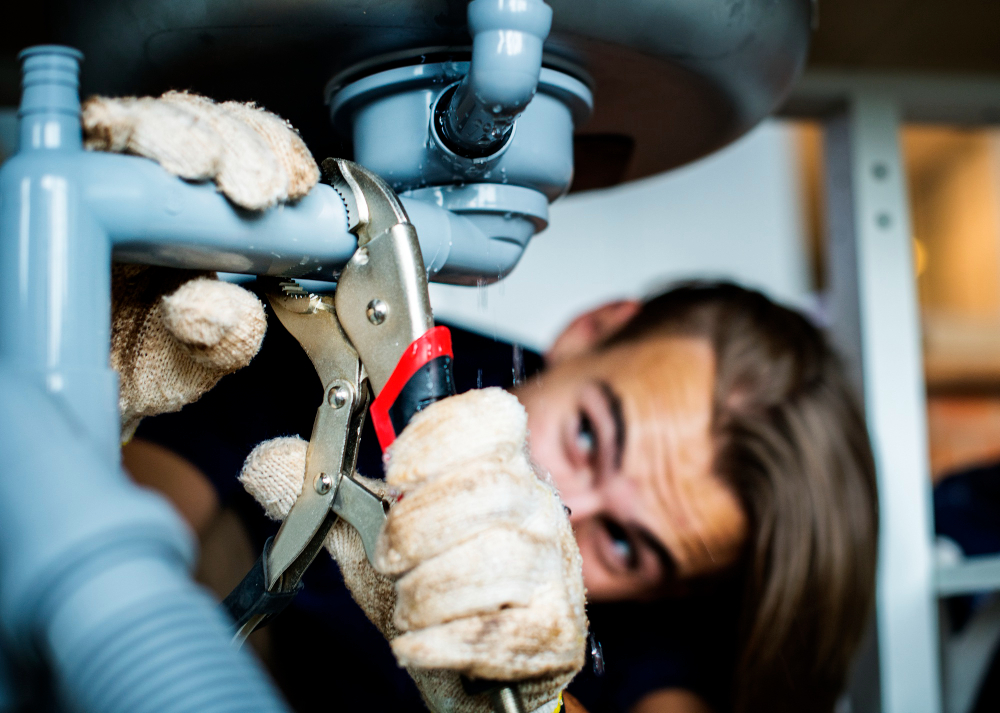
If the problem is isolated to one fixture, look for the individual shut-off valve. Toilets have shut-off valves on the wall behind the base. Sinks have valves underneath the cabinet. Shutting off water at the fixture can stop the immediate problem while preserving water access to the rest of your home.
Step Two: Contain the Water
Once the water supply is off, your next priority is containing any standing water. Grab towels, mops, and buckets to soak up water and prevent it from spreading to other rooms. If water is dripping from the ceiling, place buckets underneath to catch it and protect your flooring.
Move furniture, electronics, and valuables away from the affected area. Water damage to personal property can be significant, and acting quickly here can save items that would otherwise be ruined.
Step Three: Turn Off Your Water Heater
If your main water supply is shut off, you should also turn off your water heater. Running a water heater without water flowing through it can cause damage to the unit and create safety hazards. For gas water heaters, turn the dial to pilot. For electric water heaters, flip the breaker in your electrical panel.
Step Four: Document the Damage
Before cleaning up, take photos and videos of the damage. This documentation is valuable for insurance claims and helps your plumber in Broward County assess the situation when they arrive. Capture images of standing water, damaged walls or floors, and the source of the leak if visible.
Step Five: Clear the Area
Give your plumber room to work by clearing the area around the problem. Move items stored under sinks, clear pathways to the water heater, and ensure access to the main shut-off valve. This helps the technician diagnose and repair the issue faster.
Common Plumbing Emergencies in South Florida
Broward County homes face specific plumbing challenges due to the local climate and water conditions. Hard water causes mineral buildup that can lead to pipe corrosion over time. Hurricane season brings the risk of flooding and sewage backups. Older homes in established neighborhoods may have outdated galvanized pipes that are prone to failure.
Slab leaks are particularly common in South Florida. These occur when pipes running beneath your home’s concrete foundation develop leaks. The signs include unexplained increases in water bills, and warm spots on floors, and the sound of running water when no fixtures are in use.
When to Call for Emergency Service
A licensed plumber in Broward County offering 24-hour emergency service can respond at any time. Call immediately if water is actively flooding your home, if you smell gas along with a plumbing issue, if sewage is backing up into your home, or if you cannot locate or turn off the water supply.
Issues that can wait until regular business hours include slow drains, minor drips, and running toilets that can be temporarily fixed by adjusting the flapper or float.
Preparing for Future Emergencies
The best time to prepare for a plumbing emergency is before one happens. Locate and label your main water shut-off valve. Keep a plumber’s contact information somewhere accessible. Consider scheduling annual plumbing inspections to catch small problems before they become emergencies.
For the homeowners throughout Broward County, being prepared means less stress when problems occur. Quick action in the first few minutes of an emergency protects your property and makes repairs easier for the professionals who arrive to help.