

Basement flooding is one of the most expensive and stressful problems a homeowner can face. Water damage can destroy flooring, weaken foundations, trigger mold growth, and reduce property value in a matter of hours. That’s why many homeowners ask: do all basements have a sump pump?
If you’re buying a home, building one, or evaluating your current property, understanding when a sump pump is necessary and when it isn’t is critical. This comprehensive guide breaks down everything you need to know, from risk factors and installation steps to costs and long-term value.
Short Answer: Do All Basements Have a Sump Pump?
No, not all basements have a sump pump.Some homes require them due to high groundwater levels, heavy rainfall, or poor soil drainage. Others, especially those built in dry climates or on elevated terrain, may not need one at all.
Whether a basement includes a sump pump depends on:
- Local climate and rainfall patterns
- Soil type and drainage capacity
- Water table level
- Home elevation and grading
- Local building codes
- Age and construction practices of the home
Quick Tip: If your basement has a circular pit (usually 18–24 inches wide) with a pump inside and a discharge pipe leading outdoors, you already have a sump pump system.
Understanding Sump Pumps and Basement Water Management
Water intrusion happens when groundwater builds pressure around your foundation. Over time, this hydrostatic pressure forces water through cracks, joints, or porous concrete. A sump pump is designed to relieve that pressure before damage occurs.
What Is a Sump Pump?
A sump pump is a mechanical device installed in a sump pit at the lowest point of a basement. Its job is simple but critical:
- Water collects in the sump pit.
- A float switch activates when water rises.
- The pump moves water away from the foundation through a discharge pipe.
There are two primary types:
Pedestal Sump Pump
- Motor sits above the sump pit
- Easier maintenance access
- Generally longer lifespan
- More visible and slightly noisier
Submersible Sump Pump
- Fully installed inside the pit
- Quieter operation
- Better for finished basements
- More powerful in heavy water conditions
Both types prevent flooding, but the right choice depends on basement size, flood risk, and budget.
Why Some Basements Don’t Have Sump Pumps
Not every home requires active water removal.
Here’s why:
- Low Water Table
Homes in arid or elevated regions may never experience groundwater intrusion. - Excellent Natural Drainage
Sandy soil drains efficiently, reducing water accumulation. - Older Construction Standards
Many older homes were built before sump pumps became common practice. - Exterior Drainage Systems
Some homes rely on exterior French drains or gravity-based drainage instead of pumps.
In dry climates like parts of Arizona or Nevada, sump pumps are uncommon. In contrast, homes in the Midwest or Northeast frequently include them due to heavy rainfall and snowmelt.
Signs Your Basement May Need a Sump Pump
If you’re wondering whether your home needs one, watch for these warning signs:
- Damp walls or floors
- Water stains on foundation walls
- Musty odors
- Efflorescence (white powdery residue on concrete)
- Cracks in foundation walls
- History of flooding in your neighborhood
If multiple signs are present, a professional waterproofing inspection is highly recommended.
Guide to Check or Install a Sump Pump
Whether you’re evaluating your current basement or planning installation, follow this structured approach.
Inspect for an Existing Sump Pit
Look for a covered circular basin in the basement floor. Check if a discharge pipe exits the foundation wall.
Review Local Building Codes
Some municipalities require sump pumps in new construction, especially in flood-prone zones.
Evaluate Basement Water Risk
Assess:
- Past flooding incidents
- Local rainfall averages
- Soil drainage
- Foundation cracks
Choose the Right Type
- Light moisture issues → Pedestal pump
- High flood risk → Submersible pump
- Power outage concerns → Battery backup system
Installation Overview
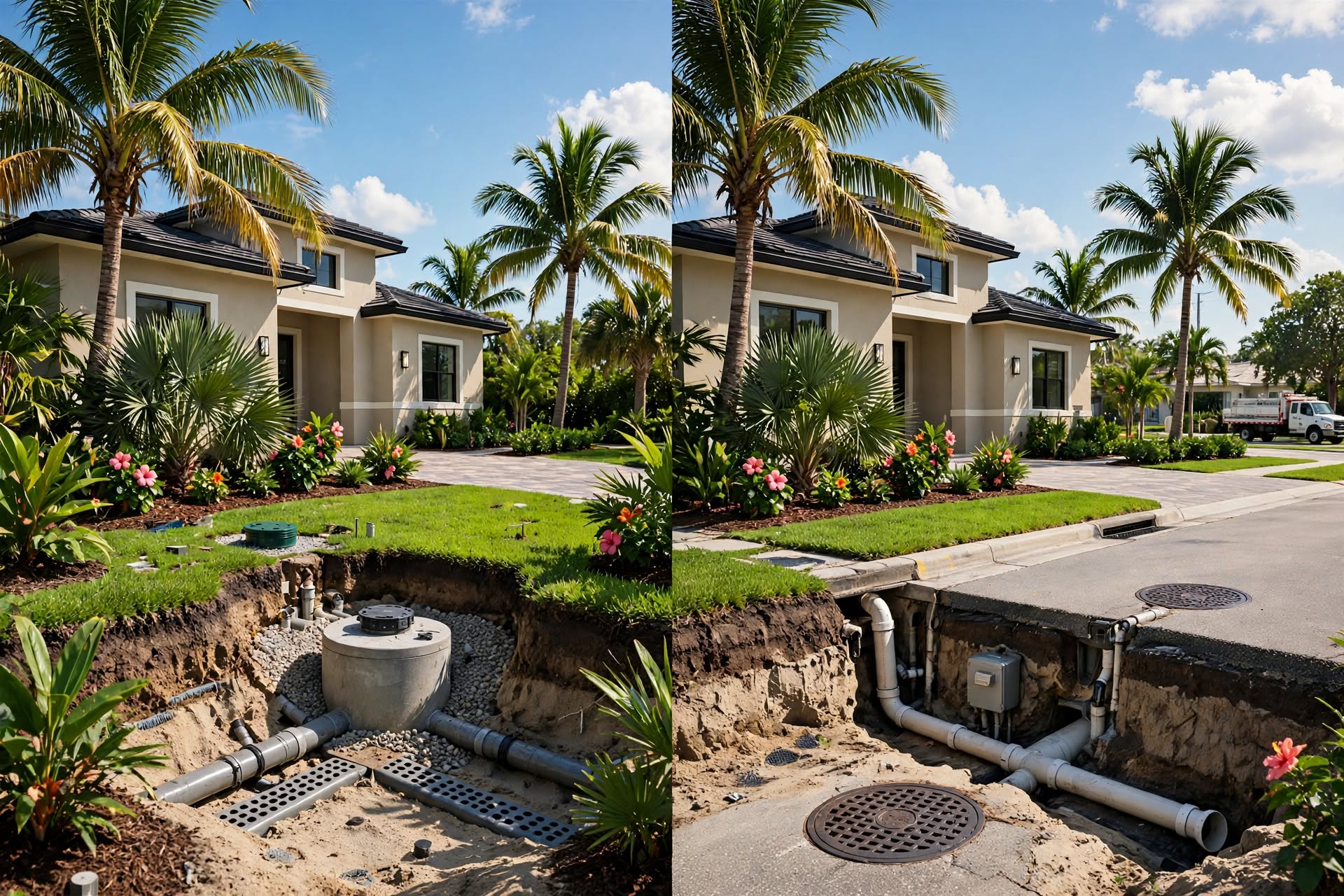
Installation typically involves:
- Cutting concrete to create sump pit
- Installing gravel base
- Placing liner basin
- Installing pump and float switch
- Connecting discharge pipe
- Sealing and testing system
Professional installation typically costs between $800–$2,500 (estimated range, not official pricing). Complex drainage systems may cost more.
Maintain the System
- Test pump every 3–4 months
- Clean pit annually
- Inspect discharge line for blockages
- Replace pump every 7–10 years
Add a Battery Backup (Optional but Recommended)
Flooding often happens during storms when power outages are common. A backup system ensures continuous operation.
Basements With vs Without Sump Pumps
| Feature/Factor | Basement With Sump Pump | Basement Without Sump Pump |
| Flood Risk | Low | High (if drainage poor) |
| Maintenance | Regular upkeep required | Minimal maintenance |
| Upfront Cost | ~$800–$2,500* | $0 |
| Water Damage Risk | Significantly reduced | Higher long-term risk |
| Mold Potential | Lower | Higher |
| Suitable Regions | High water table areas | Dry climates |
Prices are estimated ranges, not official costs.
Common Sub-Questions People Also Ask
Is a sump pump necessary for every home?
No. Homes in dry climates or elevated areas may not need one. However, properties in high-rainfall regions often benefit significantly.
How do I know if my basement has a sump pump?
Look for a sump pit basin and discharge pipe. Check property inspection reports for confirmation.
Can a basement be waterproof without a sump pump?
Yes, through exterior waterproofing, French drains, proper grading, and foundation sealing. However, these systems may not replace a sump pump in high-risk zones.
How long does a sump pump last?
Most pumps last 7–10 years with proper maintenance.
What happens if a sump pump fails?
Water can quickly accumulate, leading to basement flooding, mold growth, and structural damage.
FAQs About Basements and Sump Pumps
Do all basements have a sump pump in new homes?
No. Even new construction homes do not automatically include sump pumps unless local building codes require them.
Can I install a sump pump myself or hire a professional?
DIY installation is possible but risky. Improper installation can lead to drainage failure. Professional installation ensures compliance and reliability.
How often should a sump pump be maintained?
Test quarterly and schedule annual inspections.
Are sump pumps noisy?
Submersible pumps are quieter. Pedestal pumps produce more noticeable sound.
What type of sump pump is best for high-flood areas?
Submersible pumps with battery backup systems are best for heavy water conditions.
Do sump pumps increase home resale value?
In flood-prone areas, yes. Buyers see them as protective infrastructure.
Can I use a battery backup during power outages?
Yes, and it’s highly recommended in storm-prone regions.
How much water can a sump pump remove per hour?
Most residential pumps remove 2,000–5,000 gallons per hour depending on horsepower.
Conclusion
So, do all basements have a sump pump? No, and they don’t always need one. The necessity depends on climate, soil, elevation, water table levels, and local building codes.
However, in flood-prone or high-water-table regions, a sump pump is one of the most effective defenses against water damage. It reduces mold risk, protects structural integrity, and can even enhance resale value. For homeowners seeking professional assessment or installation, A to Z State Wide Plumbing provides expert sump pump solutions designed to safeguard your basement and ensure long-term protection against flooding.
If you’re unsure whether your basement requires one, conduct a risk assessment and consult a waterproofing professional. Preventative action is far less expensive than repairing flood damage.
When it comes to basement protection, informed decisions today can save thousands tomorrow.