


Most property owners do not spend much time thinking about the direction water flows through their plumbing. But when that flow reverses, it can send contaminated water back into your clean supply, and that is a serious problem. Backflow testing exists to make sure this does not happen, and in Florida, it is not just a good idea. It is required by law for many types of properties.
What Is Backflow & Why Does It Happen
Backflow occurs when water in your plumbing system flows in the wrong direction. Normally, water moves from the municipal supply into your building. But under certain conditions, that flow can reverse, pulling water from your property back into the public water supply.
There are two main causes. The first is back-siphonage, which happens when there is a sudden drop in pressure in the municipal line. This can occur during a water main break, heavy fire hydrant use, or a large-scale demand event in the area. The negative pressure creates a suction effect that pulls water backward through your pipes.
The second cause is back-pressure. This happens when the pressure inside your building’s plumbing exceeds the pressure in the municipal supply. Boilers, elevated storage tanks, and pumping systems can all create enough pressure to force water back into the public line.
In either case, the risk is the same. Water that has come into contact with fertilizers, chemicals, bacteria, or other contaminants on your property can enter the public drinking water supply.
How Backflow Prevention Devices Work
Backflow prevention devices are installed at the connection point between your plumbing and the municipal water system. They use a series of check valves and air gaps to allow water to flow in only one direction. If pressure changes occur, the device closes automatically to prevent reverse flow.
There are several types of backflow preventers, and the one your property requires depends on the level of risk. A reduced pressure zone assembly, often called an RPZ, is the most commonly required device for commercial properties. Residential properties may use a double check valve assembly or a pressure vacuum breaker depending on the application.
Where Backflow Preventers Are Required
In Florida, backflow prevention devices are required on irrigation systems, fire suppression systems, commercial kitchens, medical and dental facilities, and any property where the plumbing system could introduce contaminants into the public water supply. Many municipal water utilities in Miami-Dade and Broward County also require backflow preventers on all new commercial connections and some residential properties.
What Happens During a Backflow Test
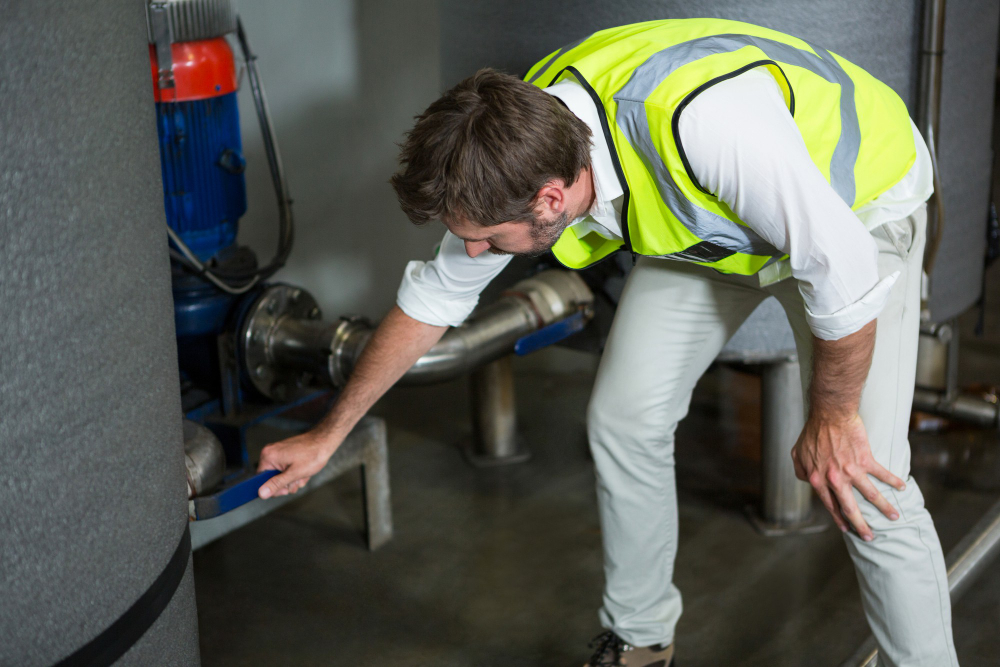
Backflow testing is a straightforward process carried out by a certified backflow tester. The technician shuts off the downstream water supply and uses a test kit to check the internal valves of the prevention device. They verify that each valve is sealing properly and that the device will activate under the right conditions.
The test usually takes 15 to 30 minutes and does not require shutting down your entire water supply for an extended period. Once the test is complete, the technician submits the results to your local water utility. If the device passes, you are good for another year. If it fails, repairs or replacement are needed before the device can be recertified.
How Often You Need Backflow Testing
Florida requires annual backflow testing for most commercial properties and any residential property with an irrigation system connected to the municipal water supply. Your local water utility will typically send a notice when your test is due. Failing to comply can result in fines, water service interruption, or both.
It is a good idea to schedule your annual backflow testing at the same time as your other routine plumbing maintenance. This keeps everything on the same calendar and reduces the chance of missing a deadline.
The Consequences of Skipping Backflow Testing
Beyond the fines and service interruptions, failing to maintain your backflow prevention device puts your property and the surrounding community at risk. A contamination event traced back to your property can result in legal liability, public health investigations, and costly remediation.
For commercial property owners, the reputational damage alone can be significant. A restaurant or medical facility linked to a water contamination event faces scrutiny from health inspectors, the media, and customers.
Choosing a Certified Backflow Tester
Not every plumber is certified to perform backflow testing. In Florida, backflow testers must hold a certification issued by an approved testing organization. When hiring a tester, confirm that their certification is current and that they are familiar with your local utility’s reporting requirements.
A licensed plumbing company that offers backflow testing as part of its services can also inspect and maintain your prevention device, handle any necessary repairs, and ensure your property stays in compliance year after year.
Backflow testing is one of those maintenance tasks that is easy to overlook, but the cost of ignoring it is far higher than the cost of keeping up with it. For Florida property owners, staying current on your annual test is one of the simplest ways to protect your water supply and avoid unnecessary headaches.


