

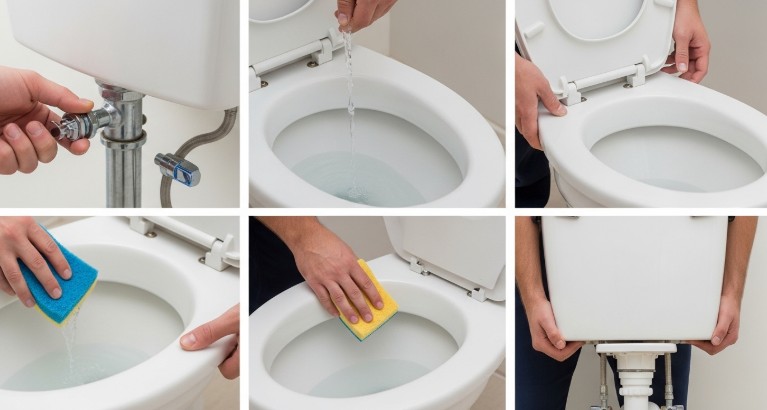
Why Proper Toilet Draining Matters
Removing a toilet might look simple, but anyone who has done it wrong knows how messy it can get. Water spills across the bathroom floor, old wax seals leak, and suddenly what should be a quick DIY project turns into a cleanup job, or even an emergency plumber call if damage occurs.
Most homeowners only realize the importance of proper draining when they attempt a toilet replacement or bathroom renovation. Toilets hold more water than expected, and if that water isn’t fully removed, it can cause sanitation issues, floor damage, and unnecessary frustration.
Understanding how to drain a toilet for removal is essential whether you’re fixing a cracked base, replacing a wax ring, or upgrading your bathroom setup. With the right steps, tools, and precautions, the process becomes safe, clean, and manageable.
Quick Answer — How to Drain a Toilet for Removal?
- Turn off the water supply valve behind the toilet
- Flush to remove most water from the tank and bowl
- Use a sponge or wet/dry vacuum to remove remaining water
- Disconnect the water supply line
- Remove bolts and lift the toilet after sealing the drain
Why You Need to Drain a Toilet Before Removal
Draining a toilet is not optional, it’s a critical first step in any removal process.
Common situations include:
- Installing a new toilet
- Fixing a cracked toilet base
- Bathroom renovation or remodeling
- Replacing wax ring or flange
- Fixing leaks or a rocking toilet
If skipped, leftover water can spill and create hygiene issues, flooring damage, or even lead to a situation requiring an emergency plumber due to uncontrolled leakage.
Tools Required to Drain a Toilet for Removal
- Adjustable wrench
- Sponge or towels
- Bucket
- Wet/dry vacuum (optional but recommended)
- Rubber gloves
- Screwdriver
- Putty knife
- Old rags or absorbent cloths
Safety Precautions Before Draining a Toilet
- Turn off water supply completely
- Wear rubber gloves for hygiene protection
- Avoid rocking toilet before draining
- Keep towels ready for spills
- Ensure bathroom ventilation
Common Problems When Draining a Toilet
- Water refilling due to incomplete shutoff
- Corroded or stuck shutoff valve
- Residual water in trap
- Wax seal leakage during removal
- Toilet instability during lifting
How to Drain a Toilet for Removal
Step 1 — Turn Off the Water Supply
Locate the valve behind the toilet and turn clockwise until water stops completely.
Step 2 — Flush the Toilet
- Flush to empty tank and bowl
- Hold handle down for maximum drainage
Step 3 — Remove Remaining Water
Even after flushing, water remains trapped.
- Use a sponge to soak water
- Or use a wet/dry vacuum for faster removal
- Empty into bucket as needed
This step prevents messy spills during removal.
Step 4 — Disconnect Water Supply Line
- Use adjustable wrench
- Loosen supply line nut
- Place bucket/towel underneath
Step 5 — Unbolt the Toilet
- Remove bolt caps
- Unscrew floor bolts carefully
- Store hardware safely for reinstall
Step 6 — Break the Wax Seal and Lift Toilet
- Gently rock toilet side to side
- Break wax ring seal
- Lift straight up carefully
This is where many DIY mistakes cause floor damage or leaks.
Step 7 — Seal the Drain Opening
- Cover drain pipe with rag or plug
- Prevent sewer gas escape
- Avoid debris falling into pipe
Common Plumbing Problems Caused by Improper Toilet Draining
- Water spilling on bathroom floor
- Damaged wax ring or flange
- Sewer gas leaks
- Misaligned toilet reinstall
- Cracked toilet base
Troubleshooting & Prevention Tips
- Always double-check shutoff valve
- Use wet/dry vacuum for full drainage
- Replace wax ring every removal
- Inspect flange condition before reinstalling
- Apply lubricant on rusted bolts
How to Drain a Toilet for Removal — DIY vs Professional Method
| Factor | DIY Removal | Professional Plumber |
|---|---|---|
| Cost | Low | Higher service cost |
| Skill Level | Moderate | Expert |
| Risk of Damage | Higher | Minimal |
| Tools Needed | Basic household tools | Specialized plumbing tools |
| Time Required | 30–60 minutes | Faster & safer |
| Best For | Simple replacements | Complex or damaged toilets |
When to Call a Professional Plumber
Call a professional if:
- Toilet bolts are rusted or stuck
- Water continues refilling after shutoff
- Toilet is cracked or unstable
- Possible flange or sewer line damage
- Heavy toilet cannot be safely lifted
In these cases, experienced services like A to Z State Wide Plumbing can safely handle removal, prevent floor damage, and ensure proper installation without leaks or structural issues.
Cost Factors for Draining and Removing a Toilet
- DIY tools (minimal if already owned)
- Wax ring and bolt replacement
- Professional labor costs
- Emergency plumbing fees if damage occurs
- Possible flooring repair costs
Maintenance Tips After Toilet Removal or Replacement
- Always replace wax ring
- Check shutoff valve condition
- Inspect floor flange for rust/cracks
- Avoid overtightening bolts
- Clean base area before reinstalling
People Also Ask — Related Questions
How to drain a toilet for removal without a wet vacuum?
Use a sponge and bucket to remove all remaining water manually.
Do I need to turn off water before removing a toilet?
Yes, always shut off water to prevent refilling and spills.
How much water is left after flushing a toilet?
A small amount remains in the bowl trap and tank base.
Can I remove a toilet without draining it completely?
Not recommended due to spill and contamination risk.
What happens if I don’t replace the wax ring?
It can cause leaks and sewer gas escaping into the bathroom.
How long does it take to drain a toilet for removal?
Around 10–20 minutes depending on tools used.
Is toilet removal a DIY job?
Yes, but only if proper steps and safety measures are followed.
FAQs About How to Drain a Toilet for Removal
How to drain a toilet for removal safely at home?
Turn off water, flush, remove remaining water, and disconnect supply line before lifting.
What tools are best for draining a toilet?
Sponge, bucket, wrench, and wet/dry vacuum are most effective.
Can I remove a toilet without turning off the water?
No, it will refill and cause spills.
Why is water still in my toilet after flushing?
Because water remains trapped in the bowl’s internal trap and tank base.
How do plumbers drain toilets quickly?
They use wet/dry vacuums and professional shutoff techniques.
What should I do if toilet bolts are stuck?
Use lubricant or call a plumber to avoid damaging the flange.
Do I need to replace parts after removing a toilet?
Yes, especially wax ring and often bolts.
How to avoid sewer smell after toilet removal?
Seal the drain opening immediately after lifting the toilet.
Conclusion: Best Way to Drain a Toilet for Removal
Learning how to drain a toilet for removal is essential for any safe bathroom repair or replacement. While the process is straightforward, skipping key steps can lead to spills, odors, and expensive damage.
Key takeaways:
- Always shut off water first
- Remove all remaining water completely
- Handle wax seal and bolts carefully
- Seal drain opening immediately
Final takeaway: With proper preparation, toilet removal is a manageable DIY task. However, for stuck bolts, heavy fixtures, or plumbing complications, professional help ensures a clean, safe, and damage-free result every time.