
Most business owners don’t think much about what happens after waste leaves their property. As long as drains are flowing and systems seem to be working, it’s easy to push maintenance to the back of the list. But commercial vacuum service is one of those things that keeps a business running without drawing attention to itself until you need it and don’t have it.
What Commercial Vacuum Service Actually Covers
Commercial vacuum service refers to the use of industrial-grade vacuum trucks to remove liquids, sludge, solids, and other waste materials from tanks, pits, drains, and other contained spaces. These aren’t standard plumbing trucks. They carry large holding tanks and powerful suction systems that can pull material from locations a regular service crew couldn’t reach.
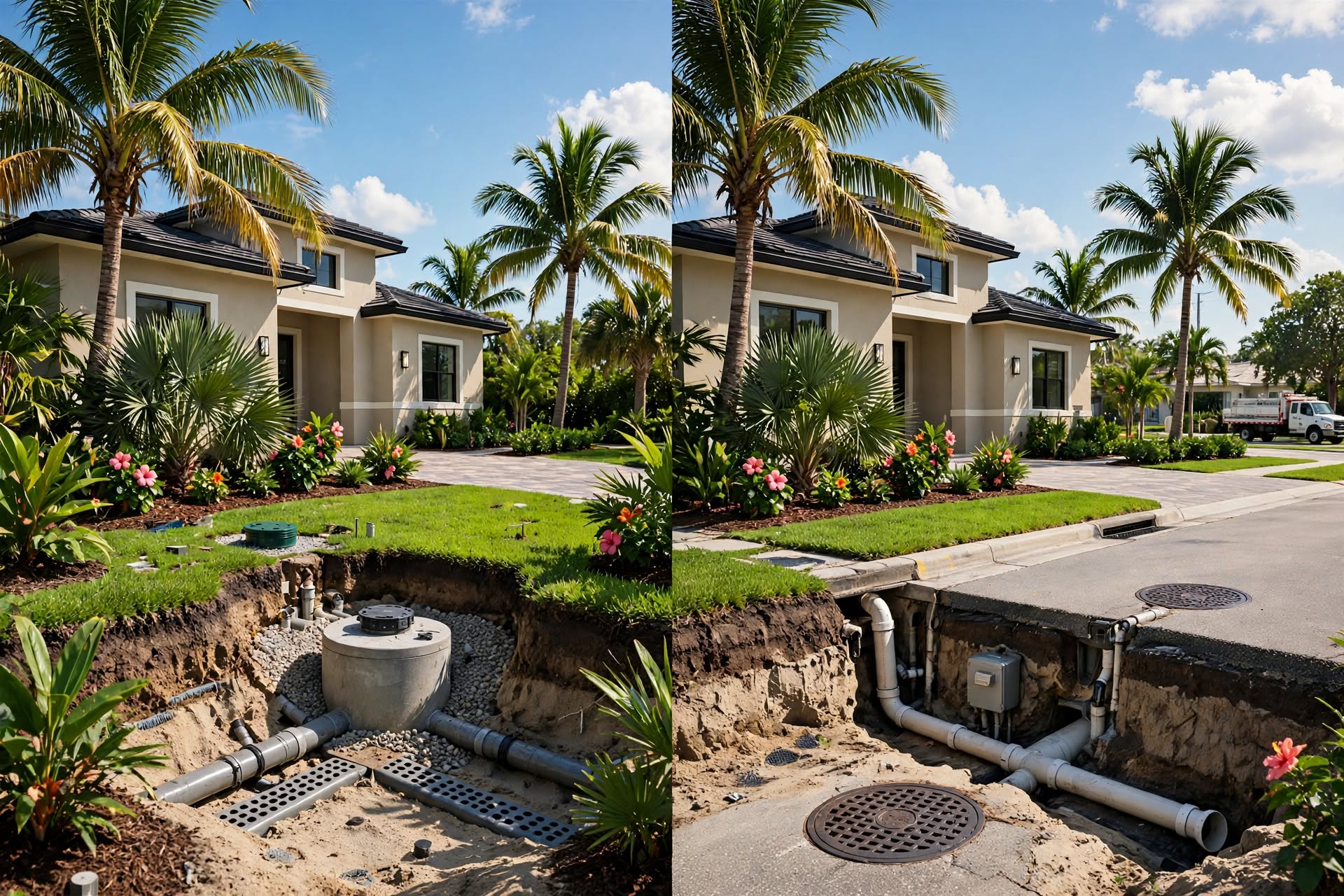
The applications are wide. Grease traps at restaurants, lift stations, septic systems, holding tanks, storm drains, catch basins, and underground vaults all require this kind of service at some point. Any system that collects waste will eventually reach a point where it needs to be emptied.
The Equipment Behind the Service
Vacuum trucks operate with powerful pumps that create enough suction to pull dense, heavy material through long hose runs. Some units are also equipped for hydro-jetting, which means they can break up blockages while simultaneously extracting the debris. For businesses dealing with grease buildup or compacted sludge, that combination makes a real difference.
The trucks themselves hold anywhere from a few hundred to several thousand gallons, depending on the job. After extraction, the material is transported and disposed of properly, following local regulations. This is not a DIY situation. Handling industrial waste requires licensing, the right equipment, and knowledge of disposal procedures.
Industries That Rely on Commercial Vacuum Service
Some businesses need this service more often than others, and it comes down to what they produce and how their systems are set up.
Restaurants & Food Service
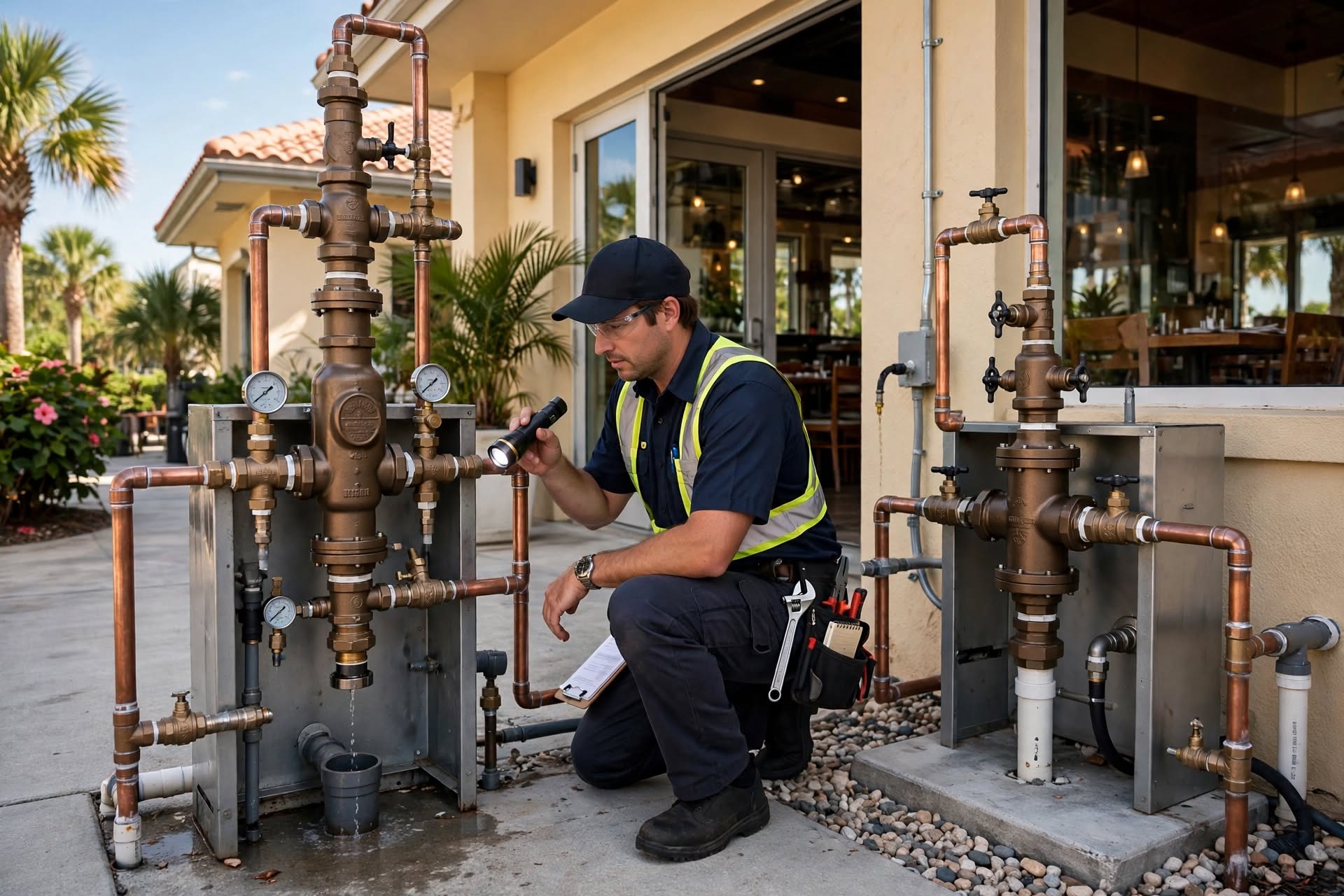
Grease traps are a requirement for any commercial kitchen connected to a municipal sewer. They catch fats, oils, and grease before those substances reach the sewer line. Over time, the trap fills up and stops functioning. A full grease trap is not just a maintenance issue. It’s a health code violation waiting to happen. Regular vacuum service keeps the trap working and the kitchen in compliance.
Industrial & Manufacturing Facilities
Facilities that process materials, work with chemicals, or generate wastewater have tanks and sumps that need periodic cleaning. Letting those systems go too long without service creates buildup that reduces capacity, causes odors, and in some cases creates safety risks. Vacuum trucks handle extraction from these environments without requiring workers to enter confined spaces.
Property Management & Commercial Real Estate
Large buildings, parking structures, and commercial developments often have storm drain systems, catch basins, and lift stations on the property. These systems take in runoff and route it properly, but they collect debris along the way. Without regular cleaning, they back up. Flooding in a parking lot or near a building entrance is the kind of problem that gets expensive quickly.
Municipalities & Public Works
Commercial vacuum service is also a major part of how cities maintain their infrastructure. Storm drain systems, sewer lift stations, and holding tanks all require extraction at regular intervals. The equipment used is the same, just applied at a larger scale.
Signs Your Business Needs Commercial Vacuum Service
There are situations where it’s obvious service is needed, and situations where the signs are easy to miss until the problem is already serious.
Slow Drains Throughout the Facility
When drains across a building or property start slowing down at the same time, it usually points to a collection point that’s full or blocked. A single slow drain might be a localized clog, but multiple slow drains often trace back to a shared system that needs to be emptied.
Odors Near Drains, Tanks, or Collection Areas
Foul smells near a grease trap, septic system, or holding tank are a sign that the system is at or over capacity. The odor comes from decomposing material that has nowhere to go. It won’t get better on its own.
Visible Overflow or Backup
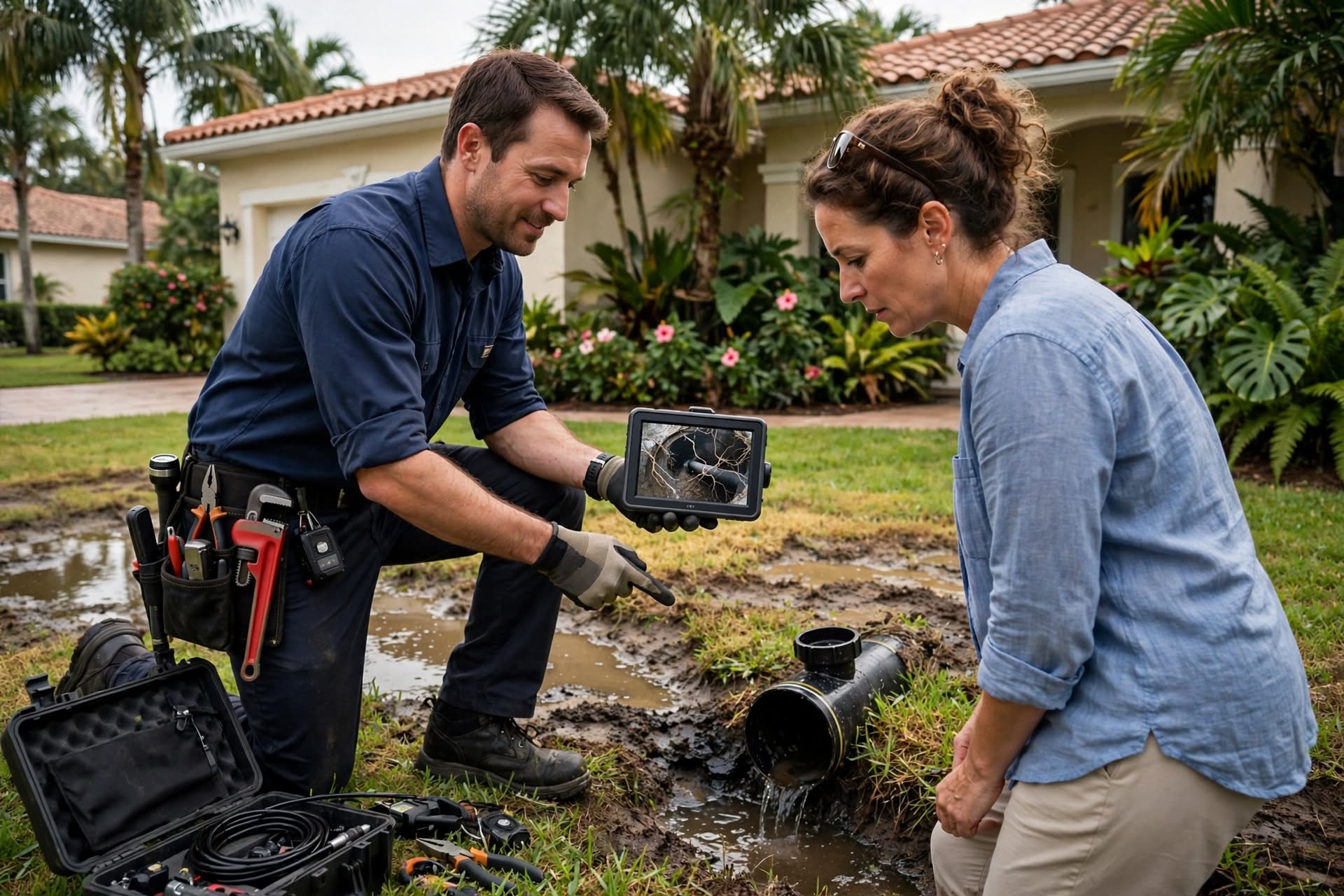
If material is surfacing near a tank, coming up through a floor drain, or pooling where it shouldn’t be, that’s a system that needs immediate attention. Overflow situations create sanitation problems, possible liability, and in some cases regulatory violations.
Longer Intervals Than Recommended Since Last Service
Most systems have a recommended service schedule. Grease traps are often cleaned quarterly or more frequently depending on volume. Septic and holding tanks typically need service every one to three years. If your last service date was longer ago than recommended, it’s time to schedule.
How Often Should Commercial Vacuum Service Be Scheduled?
The answer depends on the type of system, how heavily it’s used, and the volume of material it handles. A restaurant producing high volumes of fried food will need its grease trap serviced more often than a café. An industrial facility running two shifts will fill its holding tanks faster than one running part-time.
Working with a service provider to set a schedule based on actual usage is a more practical approach than going by calendar alone. Some businesses benefit from quarterly visits. Others need monthly service. The goal is to stay ahead of capacity rather than react to a problem after it’s already disrupting operations.
Commercial vacuum service is not something that rewards a wait-and-see approach. For businesses in South Florida, where heat accelerates decomposition, systems can reach capacity faster than expected. Getting ahead of it with a consistent service schedule is the most cost-effective way to keep operations running without interruption.