
Most water damage does not happen all at once. It starts small, hidden behind walls or beneath floors, slowly spreading until the signs become impossible to ignore. By that point, what might have been a minor repair has grown into a major restoration project. Water alarms and leak detecting service give you the ability to catch problems early, before they drain your bank account.
Property owners in South Florida face particular risks from water damage. High humidity accelerates mold growth. Clay soil shifts with moisture changes, stressing pipes. Aging infrastructure in established neighborhoods means more joints and connections that can fail. Getting ahead of leaks is not just smart planning. It is financial self-defense.
How Water Alarms Work
Water alarms are sensors placed in areas where leaks are likely to occur or where water damage would be especially harmful. When the sensor detects moisture, it triggers an alert. Some systems sound an audible alarm. Others send notifications to your phone or connect to a central monitoring service.
The simplest water alarms are standalone battery-powered units that you place under water heaters, washing machines, or sinks. More advanced systems include multiple sensors connected to a central hub, automatic water shutoff valves, and integration with home automation platforms. The right choice depends on the property, the budget, and how much protection you need.
Where to Place Water Alarms
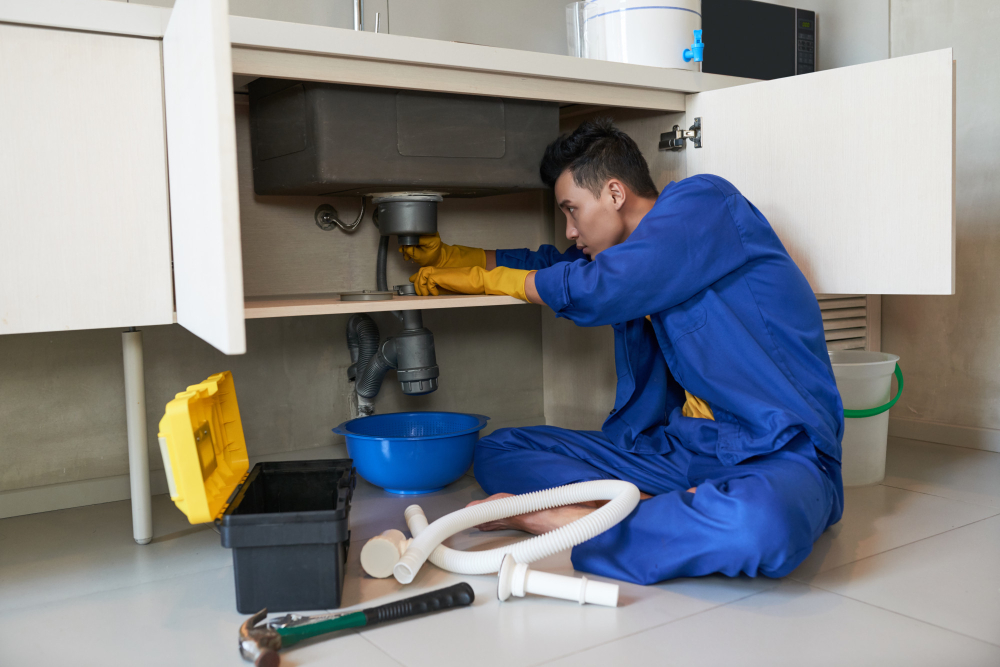
Strategic placement maximizes the value of water alarms. Under the water heater is a priority location since tank failures are common and release large volumes of water quickly. Behind washing machines and dishwashers catches hose failures. Under bathroom and kitchen sinks detects supply line leaks and drain problems. Near HVAC equipment catches condensate line blockages.
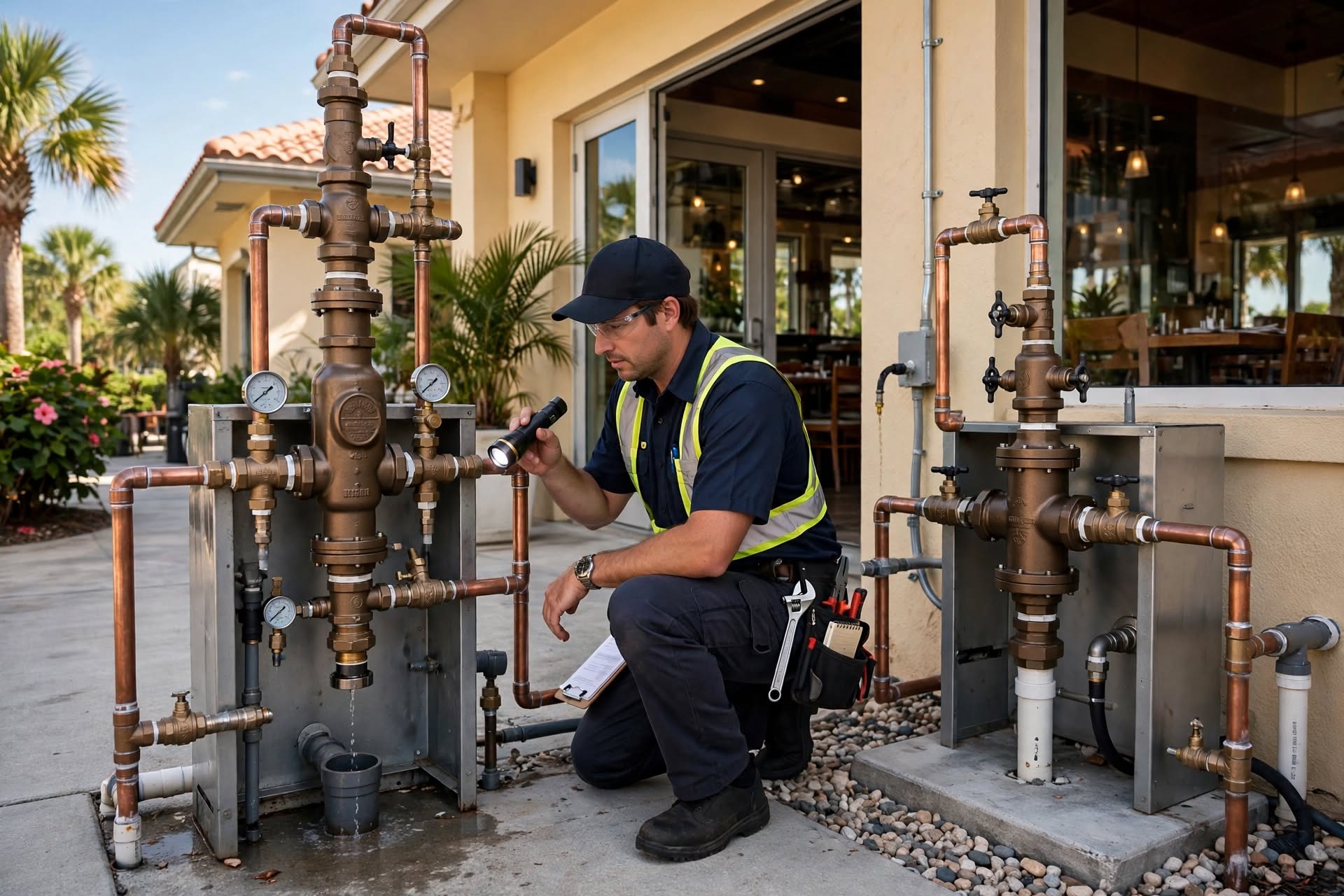
In commercial properties, consider placing sensors in mechanical rooms, above drop ceilings where pipes run, and near any equipment with water connections. Server rooms and data centers benefit from water detection since even small amounts of moisture can destroy expensive equipment.
Professional Leak Detection Goes Deeper
Water alarms catch active leaks, but what about leaks you cannot see or hear? Professional leak detecting service uses specialized equipment to find hidden water loss. These services are particularly valuable when you suspect a leak but cannot locate it, or when your water bill spikes without explanation.
Acoustic Detection
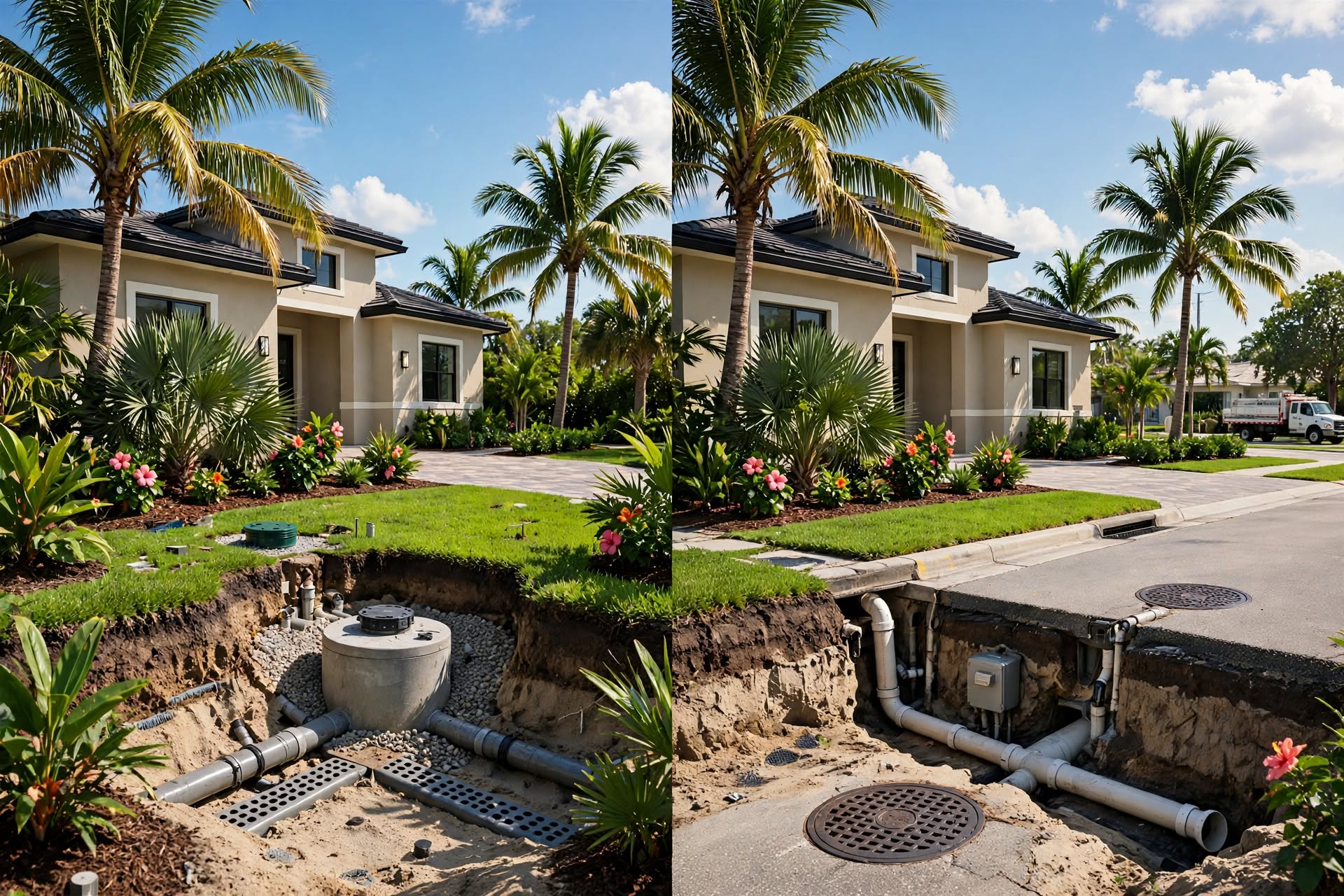
Water escaping from pipes under pressure creates sound. Acoustic leak detection uses sensitive microphones and amplifiers to listen for these sounds through walls, floors, and soil. A trained technician can distinguish leak sounds from other noises and pinpoint the location without excavation.
This method works well for pressurized supply lines. It can locate leaks in concrete slabs, under landscaping, and inside walls without damaging finishes. The accuracy of acoustic detection has improved dramatically with digital signal processing, making it possible to find leaks that would have been nearly impossible to locate in the past.
Thermal Imaging
Infrared cameras detect temperature differences on surfaces. A leak inside a wall or beneath a floor changes the temperature of the surrounding material. Hot water leaks create warm spots. Cold water leaks create cool spots. The camera shows these temperature variations as different colors, revealing the location and extent of moisture.
Thermal imaging is non-invasive and can scan large areas quickly. It often identifies water damage that is not yet visible to the eye, allowing repairs before the problem becomes obvious. Insurance adjusters frequently use thermal imaging to document water damage, and having this done early can support claims.
Video Pipe Inspection
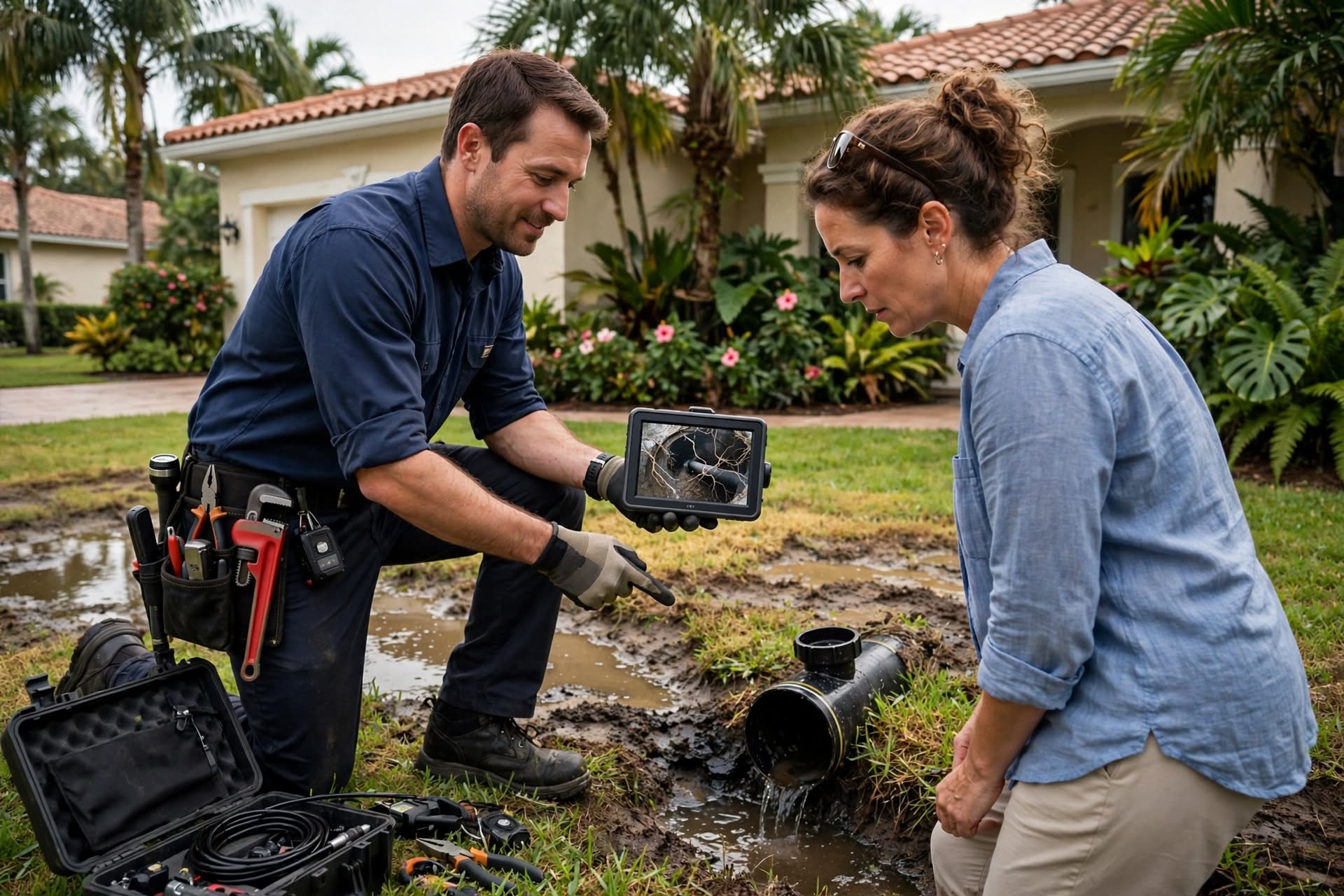
For drain lines and sewer pipes, camera inspection reveals problems that other methods cannot detect. A small camera travels through the pipe, sending live video to a monitor. The technician looks for cracks, root intrusion, joint separation, and other defects that could cause leaks or backups.
Video inspection is especially valuable when purchasing property. It shows the condition of underground pipes that you cannot see otherwise. Discovering a deteriorated sewer line before closing gives you negotiating power or saves you from a bad purchase.
The Financial Case for Early Detection
Water damage restoration costs vary widely depending on how much area is affected and how long the water has been present. A small leak caught immediately might cost a few hundred dollars to repair. The same leak left undetected for weeks can easily cost thousands.
Direct Repair Costs
Fixing a pipe is usually straightforward. Replacing water-damaged drywall, flooring, and insulation adds significantly to the bill. If the water reaches electrical systems, HVAC equipment, or structural components, costs escalate further. Early detection keeps the damage confined to the immediate leak area.
Mold Remediation
Mold begins growing within 24 to 48 hours of water exposure. Once mold is established, simply drying out the area is not enough. Remediation involves containment, removal of affected materials, air filtration, and treatment. The cost of mold remediation often exceeds the cost of water damage repair. Catching leaks early prevents mold from becoming part of the equation.
Lost Use & Business Interruption
Extensive water damage can make spaces unusable during repairs. For homeowners, this might mean hotel stays and displaced routines. For businesses, it means lost revenue and disrupted operations. The faster you catch a leak, the smaller the affected area, and the sooner you can return to normal.
Getting Started with Leak Detection
Start by assessing where your property is most vulnerable. Identify appliances and fixtures with water connections. Note areas where leaks would cause the most damage, like above finished ceilings or near electronics. Consider both the likelihood of a leak and the consequences if one occurs.
For basic protection, affordable standalone water alarms provide peace of mind in high-risk areas. For more thorough coverage, talk to a plumbing company about whole-house or whole-building monitoring systems with automatic shutoff capabilities. If you suspect an existing leak or want to know the condition of your pipes before a problem develops, schedule a professional leak detecting service.
The investment in leak detection is small compared to the cost of water damage repairs. If you choose simple alarms, professional inspection, or a combination of both, taking action now protects your property and your finances from the slow, steady damage that hidden leaks cause.