
Basements are notorious for flooding, especially during heavy rain or rapid snowmelt. One of the most effective ways to prevent water damage is a reliable sump pump. But knowing how to install or maintain a sump pump in the basement isn’t just about following instructions; it’s about understanding the system, choosing the right pump, and performing regular maintenance. With over 45 years in plumbing, I’ve seen flooded basements turn into costly disasters simply because homeowners neglected their sump pumps. That’s why homeowners across the region trust A to Z State Wide Plumbing for expert sump pump installation and maintenance. This guide is your ultimate resource, covering installation, maintenance, troubleshooting, and expert tips that ensure your basement stays dry.
Short Answer: How to Install or Maintain a Sump Pump in Basement
If you need quick guidance, here’s the essence:
- Installation: Choose the right location, dig a sump pit, position the pump, connect the discharge pipe with a check valve, and test the pump using a bucket of water.
- Maintenance: Clean the pit, inspect the float switch, test the backup power, and perform seasonal checks.
Insights: “In my 45 years, a neglected sump pump is the #1 cause of basement flooding. A little maintenance goes a long way in preventing damage.”
Understanding Sump Pumps and Their Importance
What is a Sump Pump?
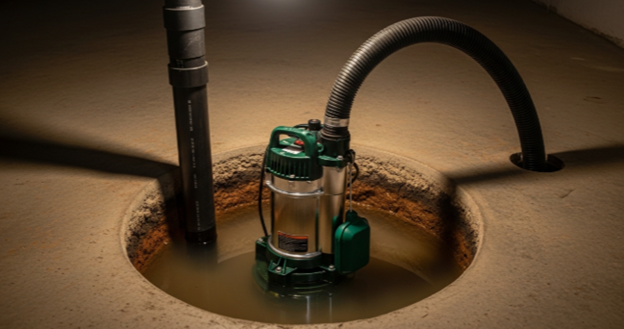
A sump pump is a device designed to remove water that accumulates in a sump pit, typically located in a basement or crawl space. Its purpose is to prevent flooding and protect the foundation of your home.
There are two main types:
- Pedestal Pumps: The motor sits above the pit. Easier to maintain but noisier.
- Submersible Pumps: Fully submerged in water. Quieter, more compact, ideal for high-water areas.
Example: Many homes in flood-prone regions of the Midwest U.S. rely on submersible pumps during spring rains to keep basements dry and foundations safe.
Why Sump Pumps are Crucial for Basement Protection
Without a sump pump, even minor water leaks can cause major problems:
- Property Damage: Water ruins carpets, furniture, and drywall.
- Mold Growth: Moisture leads to mold, which poses health risks.
- Foundation Issues: Standing water can weaken concrete over time.
Case Study: A homeowner in Ohio ignored a failing sump pump, resulting in $12,000 worth of water damage. Regular maintenance could have prevented this disaster.
Common Questions People Ask About Sump Pumps
How Often Should a Sump Pump Be Maintained?
Ideally, twice a year before the rainy season and pre-winter. Frequent checks prevent pump failure.
Can I Install a Sump Pump Myself or Hire a Plumber?
DIY installation is possible if you have basic plumbing skills. However, a professional ensures correct pit depth, proper discharge line installation, and avoids costly mistakes.
What Are the Signs My Sump Pump is Failing?
- Pump runs constantly without stopping
- Unusual noises
- Water remains in the pit
- Circuit breaker trips frequently
What Type of Sump Pump is Best for My Basement?
- Small basements: pedestal pump
- Standard basements: submersible pump
- Flood-prone areas: battery backup or combination system
Guide to Install a Sump Pump in Basement
Tools and Materials You’ll Need
- Sump pump (pedestal or submersible)
- Sump pit liner
- Gravel
- PVC discharge pipe and elbow fittings
- Check valve
- Drill and pipe wrench
- Level and tape measure
Choosing the Right Location for the Sump Pump
- Lowest point of the basement floor
- Near exterior wall for efficient drainage
- Accessible for maintenance
Installing the Sump Pit and Pump
- Excavate pit (usually 18 inches wide, 24 inches deep)
- Add 2–3 inches of gravel at the bottom
- Place the sump liner
- Install the pump inside the liner
Connecting the Discharge Pipe and Check Valve
- Attach the PVC pipe to the pump outlet
- Install a check valve to prevent backflow
- Run the pipe to a safe drainage location outside the home
Testing the Sump Pump Functionality
- Fill the pit with water
- Pump should activate and discharge water effectively
- Inspect for leaks or improper flow
Plumber tip: “Always test the pump with a bucket of water before leaving it unattended.”
Safety Tips During Installation
- Wear gloves and eye protection
- Avoid electrical contact with water
- Ensure proper grounding of the pump
Guide to Maintain Your Sump Pump
Regular Maintenance Checklist
- Clean debris from the pit
- Inspect the float switch for free movement
- Check the discharge line for obstructions
- Test battery or generator backup
Seasonal Maintenance Tips
- Pre-winter: Check antifreeze options, protect pump from freezing
- Rainy season: Ensure discharge leads away from foundation
Troubleshooting Common Problems
- Pump not turning on → check power source, float switch
- Pump running continuously → check for stuck float or clogged pipe
- Strange noises → inspect motor and bearings
Sump Pump Types and Options
| Feature | Pedestal Pump | Submersible Pump | Battery Backup Pump | Combination System |
| Cost | Low | Medium | Medium | High |
| Lifespan | 10–15 yrs | 7–12 yrs | 5–10 yrs | 10–15 yrs |
| Noise Level | High | Low | Low | Low |
| Best For | Small basements | Standard basements | Flood-prone areas | Flood-prone areas needing backup |
| Installation Difficulty | Easy | Moderate | Moderate | Advanced |
Choose based on basement size, water table level, and whether you need a backup system for peace of mind.
Frequently Asked Questions (FAQs)
Can a sump pump be installed without professional help?
Yes, but ensure proper pit depth, discharge location, and electrical safety. Mistakes can lead to flooding.
How long does a sump pump last?
Typically 7–15 years depending on type and maintenance frequency.
What happens if the power goes out during a flood?
A battery backup pump or generator ensures continued operation.
How do I know if my sump pump is too small for my basement?
If water accumulates faster than it can pump out, upgrade to a higher-capacity model.
Is it normal for a sump pump to run constantly?
No. Continuous operation usually signals a stuck float or clogged discharge line.
Can I connect my sump pump discharge to the sewer line?
Never. This can cause sewage backups and violates most building codes.
How can I prevent my sump pump from freezing in winter?
Insulate the pit and use a pump with automatic freeze protection.
What is the best way to test a sump pump periodically?
Fill the pit with water and observe pump activation and discharge. Check for leaks or unusual noises.
Conclusion
Installing or maintaining a sump pump in your basement isn’t just a task it’s an investment in protecting your home. Proper installation, routine maintenance, and knowing how to troubleshoot common issues can prevent costly water damage, mold, and foundation problems.
Final plumber advice: “A working sump pump is insurance for your basement invest the time, prevent disaster.”
Take action now: inspect, maintain, or install a sump pump to ensure your basement stays dry and safe year-round.