
The laundry room is one of the most common places for a home flood to start, and most homeowners never think about it until water is spreading across the floor. A washing machine hose that bursts or a laundry drain that overflows can release a large amount of water quickly, causing damage that is expensive to repair. The frustrating part is that these floods are often preventable with a little attention.
For Florida homes, where water damage can lead to mold in the humid climate, preventing a laundry room flood is worth the effort. Here is how washing machine hose bursts and drain overflows happen, and how to stop them before they flood your home.
Why the Laundry Room Is a Flood Risk
A washing machine uses a lot of water, and it is connected to your plumbing with hoses that are under constant pressure. The supply hoses carry water to the machine, and they hold that water pressure all the time, even when the machine is not running. The drain system carries the used water away. Both of these are points where a failure can release water into your home.
The risk is higher than people realize because the hoses and connections are often out of sight behind the machine, where problems go unnoticed until they fail. A hose that is slowly deteriorating gives little warning before it bursts, and a drain that is gradually clogging backs up without notice until it overflows. This is why the laundry room deserves attention even when everything seems fine.
How a Washing Machine Hose Bursts
The supply hoses that carry water to your washing machine are a common failure point. These hoses are under constant pressure, and over time they can weaken, crack, and eventually burst. When a hose bursts, it releases water at full pressure, and because the hose is connected to your water supply, the water keeps coming until someone shuts it off.
A burst hose is one of the worst laundry room failures because of how much water it releases and how fast. If it happens while you are away from home, the water can run for hours, flooding not just the laundry room but spreading through the house. The damage from a burst supply hose can be severe.
Why Hoses Fail
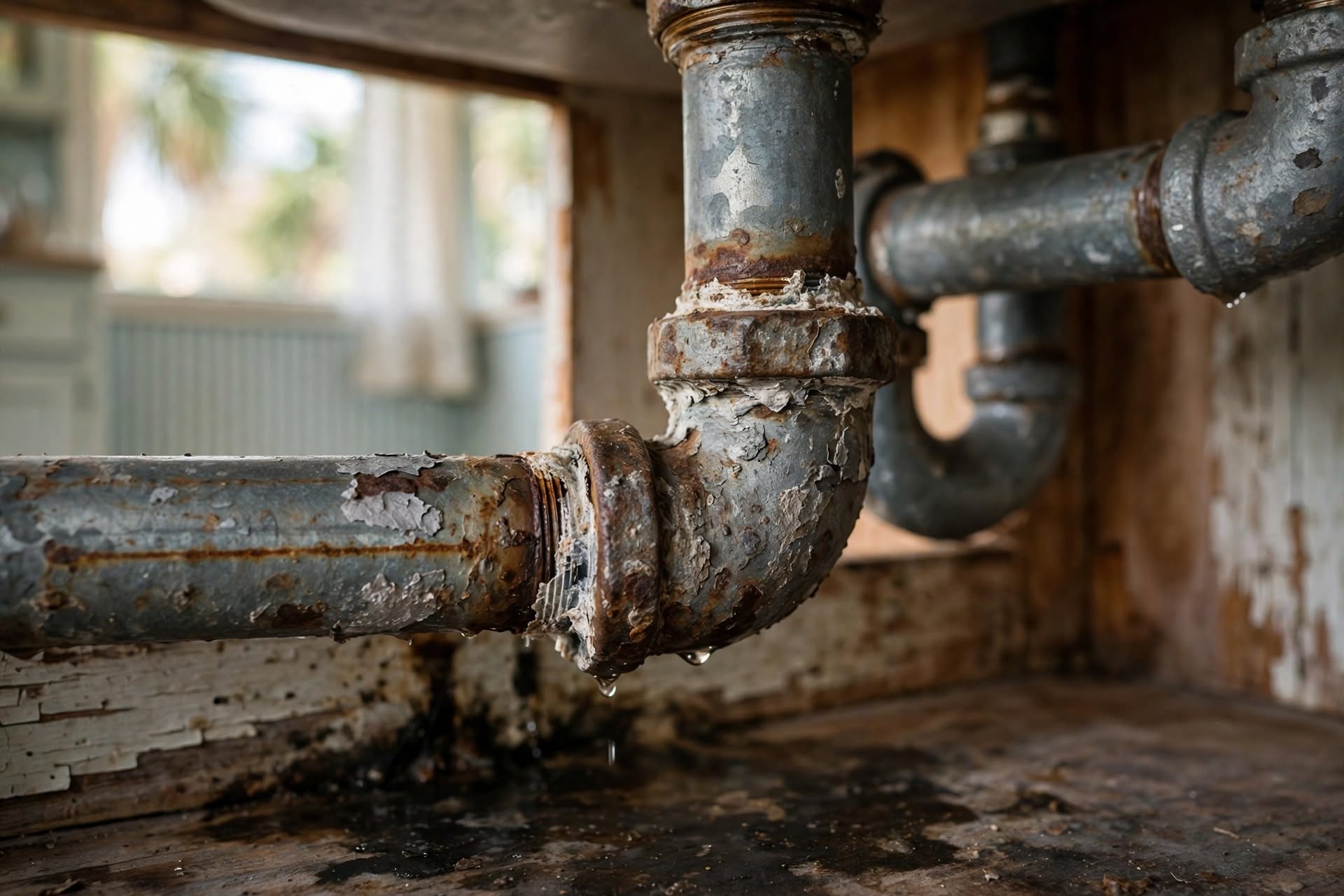
Standard rubber hoses deteriorate over time, especially under constant pressure. They can develop weak spots, cracks, and bulges that eventually give way. Age is a major factor, since an old hose is far more likely to fail than a new one. The constant pressure takes its toll, and eventually the hose cannot hold.
How a Laundry Drain Overflows
The other common laundry room failure is a drain overflow. The washing machine pumps out a large volume of water during its drain cycle, and that water goes into a drain. If the drain is clogged or cannot handle the volume, the water backs up and overflows.
A laundry drain can clog from lint, debris, and buildup over time. When the drain is partially blocked, it cannot keep up with the water the machine pumps out, and the water overflows onto the floor. This kind of overflow happens during the wash cycle, and it can flood the laundry room before anyone notices.
How to Prevent a Washing Machine Hose Burst
Preventing a burst hose comes down to a few straightforward steps that address the common causes.
Replace Old Hoses
The single best thing you can do is replace aging supply hoses before they fail. Rubber hoses have a limited life, and replacing them on a schedule, rather than waiting for them to burst, prevents the failure. Upgrading to braided stainless steel hoses is a strong move, since these are far more durable and resistant to bursting than standard rubber hoses.
Inspect the Hoses Regularly
Take a look at your supply hoses periodically. Check for cracks, bulges, rust at the connections, or any signs of wear. Catching a hose that is starting to fail lets you replace it before it bursts. Make sure the connections are tight as well.
Shut Off the Water When Away
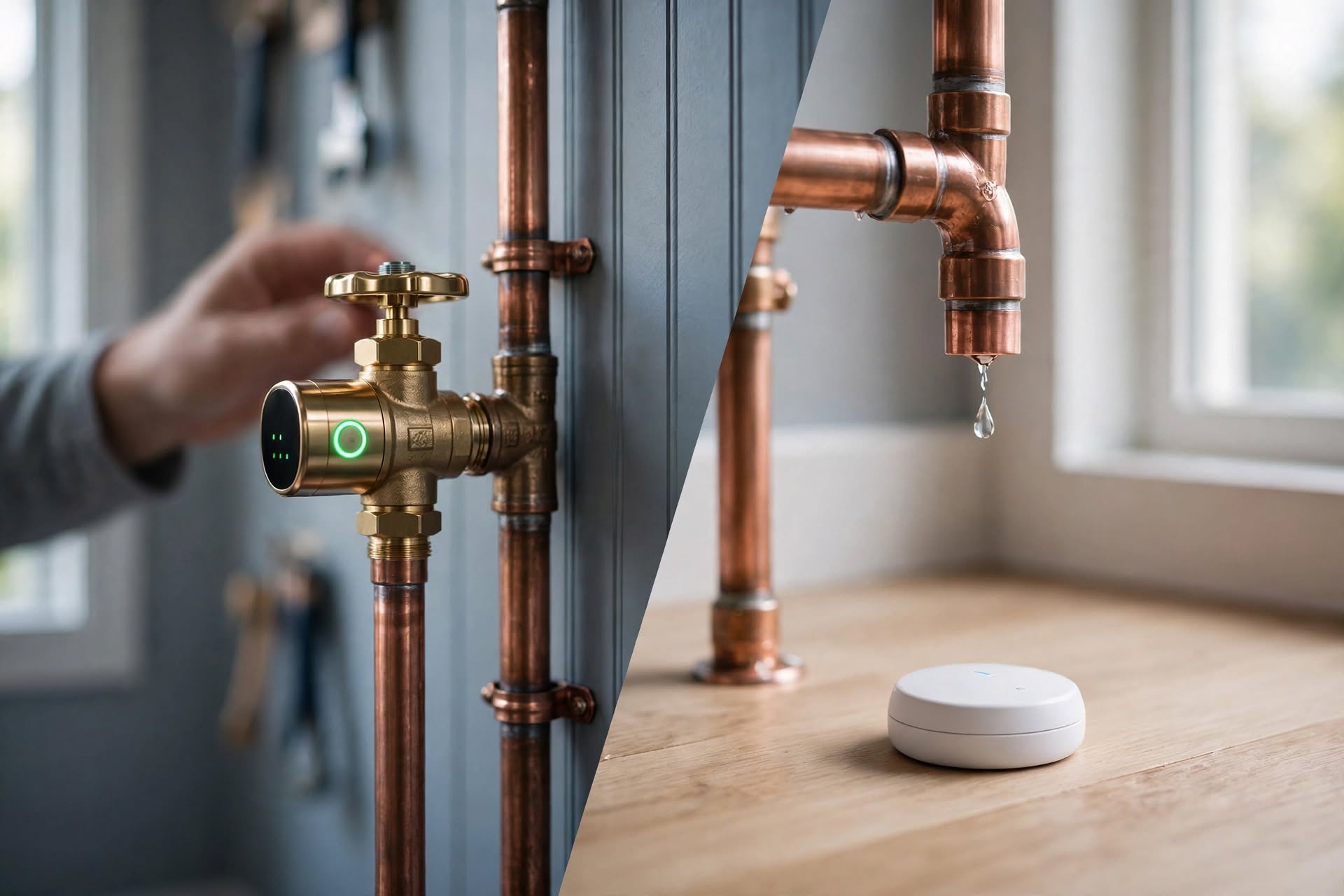
The supply hoses hold pressure all the time, so one way to reduce the risk is to shut off the water to the washing machine when you are away for an extended period. There are valves that let you do this easily, and some homeowners shut the water off whenever the machine is not in use. This removes the pressure that causes hoses to burst.
How to Prevent a Laundry Drain Overflow
Preventing a drain overflow focuses on keeping the drain clear and able to handle the water.
Keep the Drain Clear
Lint and debris build up in the laundry drain over time, so keeping it clear prevents the clogs that cause overflows. If you notice the drain is slow or the water is backing up during the cycle, that is a sign the drain needs attention before it overflows completely.
Address Slow Drains Early
A drain that is draining slowly is a warning sign. Rather than waiting for it to overflow, addressing a slow laundry drain early prevents the flood. A professional can clear the drain and make sure it can handle the volume the machine produces.
Added Protection for Peace of Mind
Beyond maintaining the hoses and drain, there are devices that add protection. A water alarm placed near the washing machine alerts you to water on the floor, so you can catch a leak early. Automatic shut-off devices can detect a leak and cut off the water supply, which stops a burst hose from flooding the home. For a laundry room, which is such a common flood point, these protections give added peace of mind, especially if the machine is on an upper floor where a leak would damage the levels below.
Keeping Your Laundry Room Dry
A washing machine hose burst or a laundry drain overflow can flood your Florida home and lead to the water damage and mold that the humid climate encourages. Both failures are preventable with attention. Replace aging supply hoses, upgrade to braided stainless steel, inspect the hoses regularly, and shut off the water when you are away for a while. Keep the laundry drain clear and address any slow drainage before it overflows.
Add a water alarm or an automatic shut-off device for extra protection. A little attention to the laundry room, one of the most common places for a home flood to start, keeps the water where it belongs and your home dry and safe.