
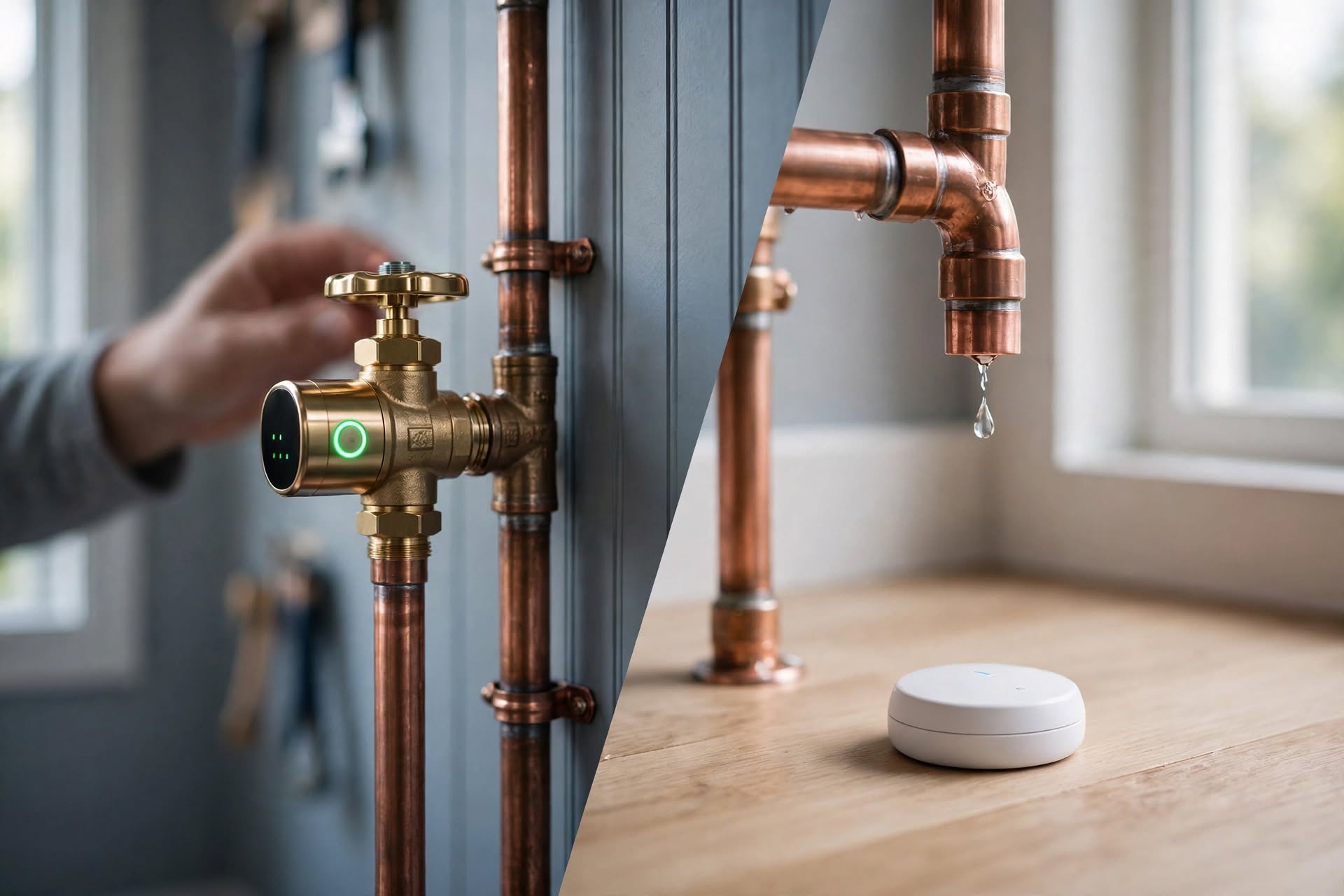
Water damage is one of the most common and expensive problems a home can face, and a lot of it comes from leaks that go unnoticed until the damage is done. Two kinds of devices are meant to help, and homeowners often wonder which one is worth the investment. A leak alarm alerts you when it detects water, while an automatic shut-off valve actually cuts off the water supply when a leak is detected.
Both are useful, but they do very different things, and knowing the difference helps you choose the protection that actually prevents flood damage. Here is how the two compare and which one really stops a flood.
The Problem These Devices Solve
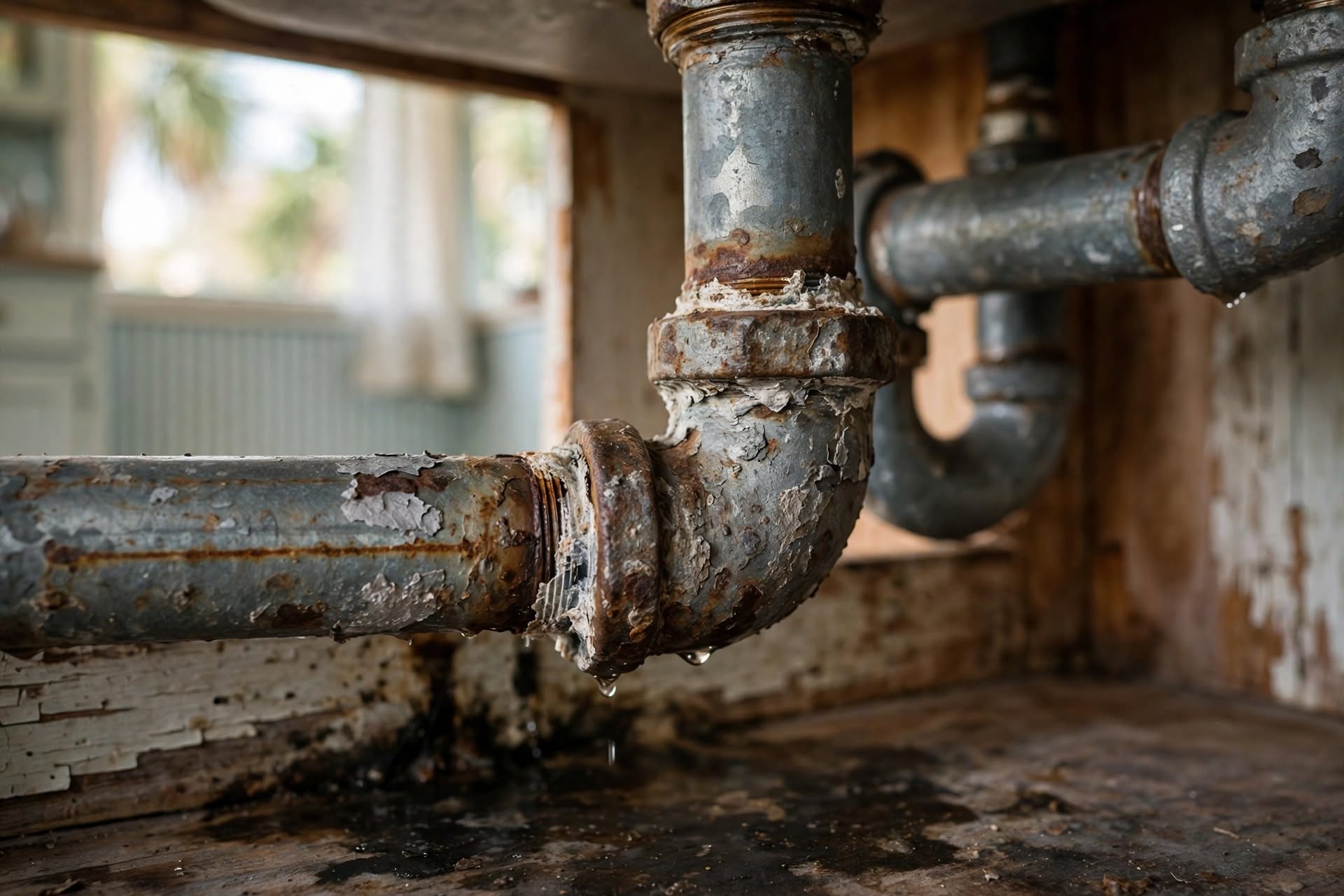
Most serious water damage comes from a leak that runs unchecked. A burst pipe, a failed appliance hose, or a leaking connection can release water for hours before anyone notices, especially if it happens while you are away or asleep. The longer the water runs, the worse the damage, as it spreads into floors, walls, and belongings. In Florida’s humid climate, the moisture also leads to mold, adding to the problem.
The goal of both leak alarms and automatic shut-off valves is to catch a leak early and limit the damage. The difference is in what each one does once a leak is detected, and that difference is what determines how well each one actually prevents a flood.
How a Leak Alarm Works
A leak alarm is a device that detects the presence of water and sounds an alert. You place it in areas where a leak might happen, such as near a water heater, under a sink, by the washing machine, or near other appliances. When the sensor detects water, it sounds an alarm to warn you.
Leak alarms are inexpensive and simple to use. Some basic models just sound a loud alarm when they detect water, while more advanced ones can send an alert to your phone, so you know about the leak even when you are not home. The alarm gives you a warning that water is present, which lets you respond.
The Limitation of a Leak Alarm
The key thing about a leak alarm is that it only alerts you. It does not do anything to stop the water. If you are home and you hear the alarm, you can rush to shut off the water and limit the damage. But if you are away, asleep, or do not hear the alarm, the water keeps flowing. A leak alarm that sounds in an empty house does nothing to stop the flood. Even a smart alarm that sends an alert to your phone only helps if you can get home or reach someone to shut off the water quickly. The alarm is only as useful as your ability to respond to it.
How an Automatic Shut-Off Valve Works
An automatic water shut-off valve takes the next step. It is a device installed on your main water line that detects a leak and automatically shuts off the water supply. When the system detects a problem, it closes the valve and stops the water, without needing you to do anything.
These systems detect leaks in different ways. Some use sensors placed around the home that communicate with the valve, so when a sensor detects water, the valve closes. Others monitor the flow of water through the main line and detect abnormal patterns that suggest a leak, such as water running continuously for longer than normal. When the system identifies a problem, it shuts off the water automatically.
Why This Actually Prevents a Flood
The automatic shut-off valve is the device that actually prevents flood damage, because it stops the water whether you are there or not. If a pipe bursts while you are on vacation, the valve shuts off the water, and the flood is prevented. You do not have to hear an alarm, be home, or do anything. The system acts on its own to stop the water at the source. This is the difference that matters, since the whole point is to prevent the damage, not just to be warned about it.
Comparing the Two
The comparison comes down to a simple question: do you want to be alerted to a leak, or do you want the leak stopped automatically?
A leak alarm alerts you, which is helpful if you are home and can respond quickly. It is inexpensive and easy to place in multiple spots. But it depends entirely on your being able to respond, which is exactly what you cannot do if you are away or asleep. An automatic shut-off valve stops the water on its own, which prevents the flood regardless of where you are. It is a more significant investment and involves installation on your main line, but it provides protection that does not depend on your response.
For preventing flood damage, the automatic shut-off valve is the stronger protection. The leak alarm is a useful early warning, but it cannot stop the water. The shut-off valve can.
Using Both Together
The two devices are not really competitors, and using them together gives the best protection. Leak alarms placed around the home can alert you to water in specific spots, giving you early warning of a problem. The automatic shut-off valve provides the backstop that stops the water when a leak is detected, preventing the flood even when you cannot respond. Together, they give you both the warning and the automatic protection.
For homeowners who want the strongest defense against water damage, especially those who travel or are away from home often, the combination of alarms for awareness and an automatic shut-off valve for prevention covers both needs. The alarm tells you something is wrong, and the valve makes sure it does not become a flood.
Choosing the Protection That Stops a Flood
Leak alarms and automatic water shut-off valves both help with water damage, but they do different things. A leak alarm alerts you to water, which helps only if you can respond, so it depends on your being home and awake. An automatic shut-off valve actually cuts off the water supply when a leak is detected, which prevents the flood whether you are there or not. For truly preventing flood damage, the automatic shut-off valve is the device that does the job, since it acts on its own. Using both together gives you the early warning of alarms and the automatic protection of the valve. If you want to protect your Florida home from the water damage and mold that a leak can cause, having a professional install an automatic shut-off valve is the step that actually stops a flood before it starts.