
When the plumbing in an older home starts giving you trouble again and again, repiping the whole house is often the solution that ends the problem for good. It is a significant project, and the cost, the material choice, and the disruption are all things homeowners want to understand before committing. Whole-house repiping replaces the aging pipes that cause leaks, low pressure, and discolored water with a fresh system that will last for decades.
For South Florida homeowners with older homes, knowing what repiping costs, how PEX compares to copper, and what the process looks like helps you plan with confidence. Here is what to expect.
When a Home Needs Repiping
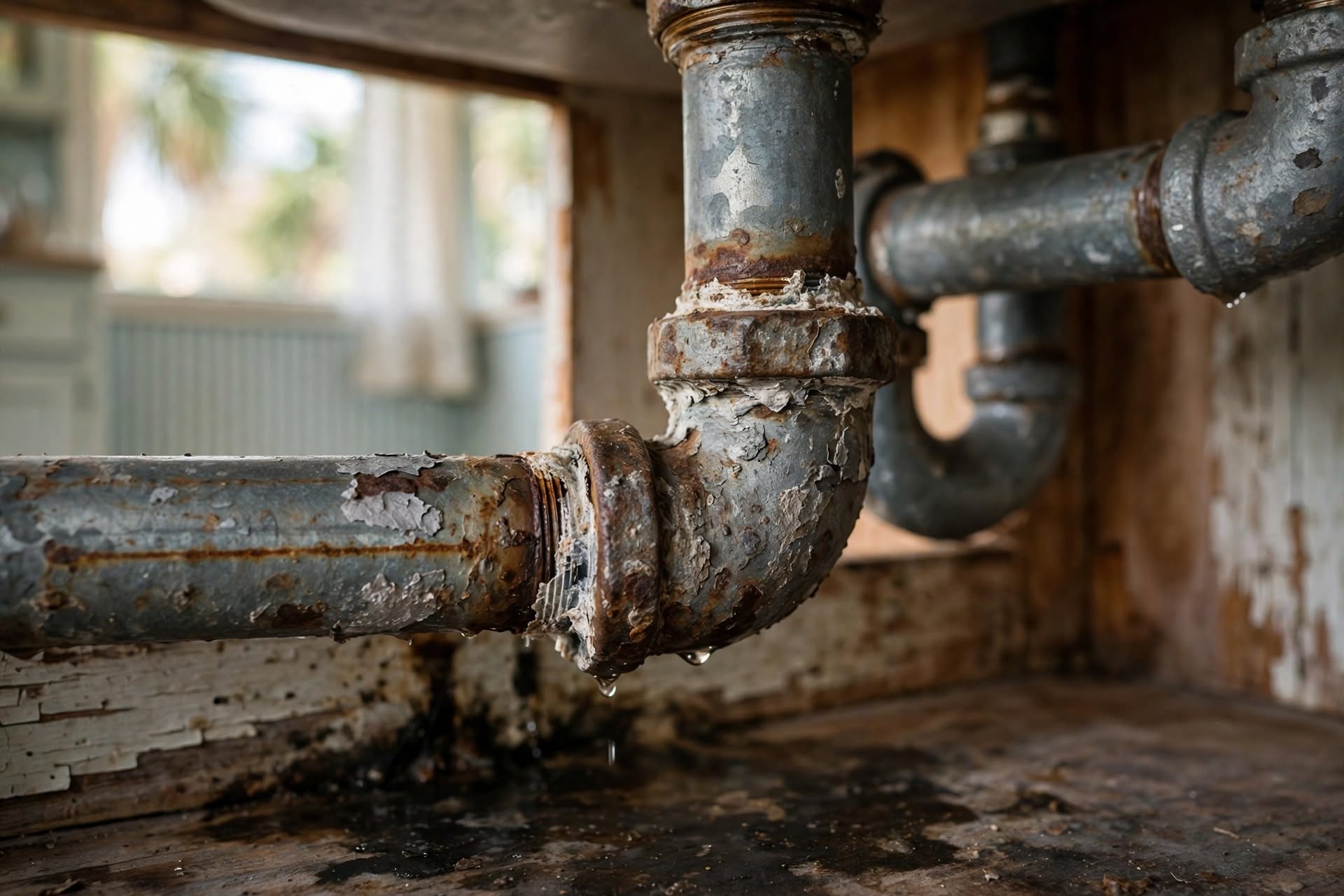
Repiping becomes the right choice when a home’s pipes have aged past the point where repairs make sense. Older homes often have galvanized steel pipes that corrode from the inside, or problematic materials like polybutylene that are prone to failure. When you are dealing with recurring leaks, low water pressure throughout the house, discolored or rusty water, or pipes known to fail, repiping addresses the underlying problem rather than treating one symptom at a time.
The decision usually comes down to the pattern. A single leak is a repair. Leaks that keep appearing in different spots, combined with pressure and water quality problems, point to a system that has reached the end of its life. At that point, repiping is often the more sensible investment than continuing to patch an aging system.
What Drives the Cost of Repiping
The cost of repiping a house varies widely, and several factors determine the final price. Knowing these helps you understand any estimate you receive.
The size of the home is a major factor, since a larger home has more pipe to replace and more fixtures to connect. The number of bathrooms and fixtures affects the scope as well, because each one is a connection point. The layout of the home and how accessible the pipes are matter too, since pipes buried in walls or under a slab take more labor to reach than exposed ones. The material you choose, PEX or copper, affects the cost, as does the local permit and inspection requirements that come with the work in South Florida.
Because these factors vary so much from home to home, a proper assessment is the only way to get an accurate price. A professional can evaluate your home, determine the scope, and give you a clear estimate rather than a rough guess.
PEX vs Copper: Comparing the Two Materials
The two main materials for repiping are PEX and copper, and each has its strengths. The choice affects both the cost and the performance of your new plumbing.
PEX
PEX is a flexible plastic piping that has become popular for repiping. It resists corrosion, which is a real advantage in South Florida, where hard water and the climate wear on pipes. PEX is flexible, so it can be routed through walls with fewer connections, which can make installation faster and less disruptive. It also tends to cost less than copper, both in material and in labor. PEX holds up well against the mineral content in hard water, since it does not corrode the way metal does.
Copper
Copper has been used for plumbing for a long time and has a proven track record. It is durable and long-lasting, and some homeowners prefer it for its reliability and its resistance to certain conditions. Copper is generally more expensive than PEX, both because the material costs more and because the installation is more labor-intensive, since it requires more connections and soldering. In areas with aggressive water chemistry, copper can develop pinhole leaks over time, which is a consideration to weigh.
Making the Choice
For many South Florida homes, PEX is an attractive option because of its corrosion resistance, lower cost, and faster installation. Copper remains a solid choice for homeowners who prefer it. A professional can help you weigh the two based on your home, your budget, and your preferences, so you choose the material that fits your situation.
The Repiping Timeline
Homeowners often worry about how long repiping takes and how disruptive it will be. The timeline depends on the size of the home and the scope of the work, but most whole-house repiping projects are completed in a matter of days rather than weeks. A smaller home with good access might be done quickly, while a larger home with more fixtures and harder-to-reach pipes takes longer.
The process generally involves running the new pipes, connecting them to the fixtures, and then testing the system before closing everything up. Because reaching the pipes means opening some sections of wall, there is drywall repair involved afterward. A professional crew works to minimize the disruption and the time your water is shut off, so you can keep living in the home during much of the process.
What to Expect During the Project
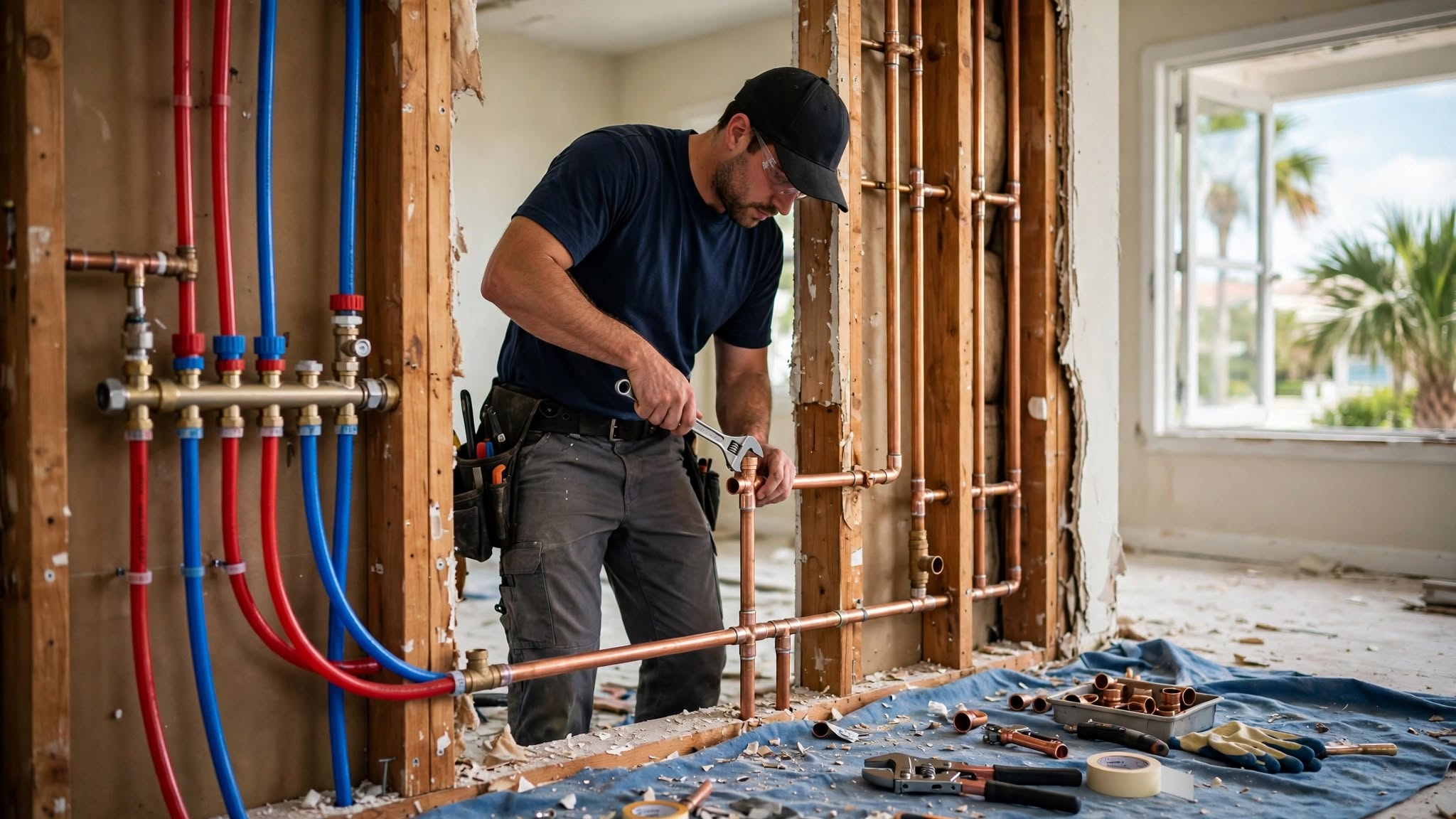
Knowing what the process looks like helps you prepare. The crew will access the pipes, which means opening walls in certain spots to reach the plumbing. The new pipes are installed and connected to all the fixtures throughout the home. The system is then tested to confirm everything works and there are no leaks. After the plumbing is done, the opened walls are patched and repaired. Throughout, the crew manages the water shutoffs so your disruption is kept to a minimum.
There will be some mess and some noise, since this is construction work, but a professional crew handles it in an organized way. Having the permits pulled and the work inspected is part of the process in South Florida, which ensures the new system meets code.
Planning Your Repiping Project
Whole-house repiping is a significant investment, but it solves the recurring plumbing problems that plague older homes and gives you a fresh system that will last for decades. The cost depends on your home’s size, layout, fixture count, and your material choice, so a proper assessment is the way to get an accurate price. PEX offers corrosion resistance, lower cost, and faster installation, while copper offers a proven, durable track record, and a professional can help you choose between them. The timeline is usually a matter of days, with some wall repair afterward.
If your older South Florida home is showing the signs of aging pipes, have a professional assess it and walk you through your options. Repiping done right ends the leaks, restores your pressure and water quality, and gives you reliable plumbing for many years to come.