
A garbage disposal is one of the most convenient kitchen plumbing appliances, but it is also one of the most misused. Many homeowners assume it can handle almost any food waste, only to end up dealing with clogged sinks, foul odors, or even expensive plumbing repair issues.
Knowing what not to put in a garbage disposal is essential if you want to avoid emergency plumbing fixes and keep your kitchen drainage system running smoothly. This guide breaks down everything you should avoid, why it matters, and how to properly use your disposal like a professional.
Short Answer: What Not to Put in a Garbage Disposal?
Avoid putting the following in your garbage disposal:
- Grease, oil, and fat
- Coffee grounds
- Eggshells
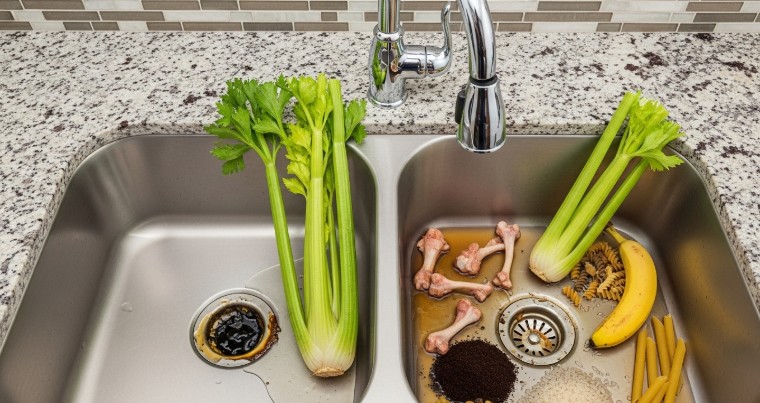
- Fibrous vegetables (celery, onion skins, corn husks)
- Pasta and rice
- Bones and hard food scraps
- Fruit pits and seeds
- Non-food items (plastic, paper, metal)
Quick takeaway:
Garbage disposals are designed for soft food waste only, putting the wrong items inside leads to clogs, odors, and costly plumbing repair issues.
What Is a Garbage Disposal and Why Food Restrictions Matter
A garbage disposal is a kitchen plumbing device installed under the sink that grinds food waste into fine particles so they can safely pass through drain pipes.
When used correctly, it reduces kitchen waste and prevents sink blockages. However, misuse quickly leads to:
- Drain clogs
- Foul odors
- Damaged blades
- Backed-up plumbing lines
This is why understanding what not to put in a garbage disposal is critical for avoiding common plumbing problems and unnecessary repair costs.
Common Causes of Garbage Disposal Damage
Most garbage disposal issues come from improper usage rather than mechanical failure.
- Grease solidifying inside drain pipes
- Fibrous foods wrapping around blades
- Hard objects damaging grinding components
- Overloading the system with excess waste
- Lack of routine cleaning and maintenance
These problems often extend beyond the disposal unit and affect the entire kitchen drainage system.
What Not to Put in a Garbage Disposal (Full Breakdown)
What Not to Put in a Garbage Disposal (Hard and Solid Waste)
- Chicken bones
- Beef bones
- Fruit pits (peach, mango, avocado seeds)
- Shells (crab, shrimp)
These items can jam the motor or break grinding components, often requiring professional plumbing repair.
What Not to Put in a Garbage Disposal (Grease and Oils)
- Cooking oil
- Butter
- Animal fat
- Bacon grease
Grease is one of the biggest causes of drain clogs. It solidifies inside pipes and traps other food debris, leading to major plumbing blockages.
What Not to Put in a Garbage Disposal (Fibrous Vegetables)
- Celery stalks
- Onion skins
- Corn husks
- Asparagus ends
These fibrous materials wrap around blades and reduce grinding efficiency, often causing motor strain.
What Not to Put in a Garbage Disposal (Expandable Foods)
- Rice
- Pasta
- Bread
- Oatmeal
These foods expand in water and form thick paste-like blockages inside drain lines, leading to slow drainage and backups.
What Not to Put in a Garbage Disposal (Non-Food Items)
- Plastic
- Glass
- Metal
- Paper towels
- Cleaning wipes
These items cause severe mechanical damage and can completely destroy the disposal unit, requiring replacement instead of repair.
How to Properly Use a Garbage Disposal
Using your disposal correctly helps prevent plumbing issues and extends system life.
Safe usage process:
Step 1: Run cold water before turning on disposal
Prevents grease from sticking inside pipes.
Time: 10 seconds | Difficulty: Easy
Step 2: Feed small amounts of food waste slowly
Avoid overloading the grinding chamber.
Step 3: Keep disposal running while grinding
Ensures full flushing into drain lines and prevents buildup.
Step 4: Flush with water after use
Clears remaining debris and reduces odor risk.
Step 5: Clean weekly using ice cubes or citrus peels
Helps maintain blades and reduce grease buildup.
Signs You Are Putting the Wrong Items in Your Garbage Disposal
If misuse continues, you may notice:
- Frequent kitchen sink clogs
- Slow draining water
- Persistent bad odor
- Grinding noise or motor strain
- Water backing up into sink
These are early warning signs of developing plumbing issues that may require professional attention.
DIY vs Professional Garbage Disposal Repair Issues
Can You Fix Garbage Disposal Problems Yourself?
Basic tools needed:
- Allen wrench
- Tongs for debris removal
- Baking soda and vinegar
- Flashlight
DIY fixes are effective for:
- Minor clogs
- Surface buildup
- Simple resets
However, DIY solutions are limited when deeper drain issues are present.
When to Call a Professional Plumber
You should call a plumber if:
- Disposal motor stops working
- Deep drain blockage occurs
- Repeated clogs continue
- Water backs up into sink
In such cases, experts like A to Z State Wide Plumbing handle full kitchen drainage inspections to identify whether the issue is within the disposal or deeper in the plumbing system.
Garbage Disposal Usage & Issues
| Issue Type | Cause | DIY Fix | Cost | Recommended Action |
|---|---|---|---|---|
| Grease buildup | Oil, fat disposal | Yes | $2–$10 | Home cleaning |
| Fibrous clog | Vegetables | Sometimes | $10–$50 | DIY or plumber |
| Hard object jam | Bones, pits | Limited | $80–$150 | Professional repair |
| Motor failure | Overuse | No | $150–$400 | Replacement |
| Drain blockage | Improper use | No | $100–$300 | Plumbing service |
Repair vs Replace: What’s Better for a Garbage Disposal?
Repair if:
- Minor clogs or jams
- Unit is less than 5–7 years old
- Motor still functions properly
Replace if:
- Frequent breakdowns occur
- Motor is burned out
- Severe internal damage exists
- System is over 8–10 years old
Repeated plumbing repair issues often make replacement more cost-effective long-term.
Cost of Garbage Disposal Repairs and Issues
Typical costs include:
- Minor clog removal: $80–$150
- Drain cleaning service: $100–$250
- Motor repair: $150–$400
- Full replacement: $200–$600+
Costs increase significantly when drain line damage extends beyond the disposal unit.
Safety Considerations When Using a Garbage Disposal
- Never put hands inside disposal chamber
- Always turn off power before clearing jams
- Avoid chemical drain cleaners
- Use cold water during operation
- Keep children away from sink during use
Proper safety practices prevent injuries and costly plumbing emergencies.
How to Prevent Garbage Disposal Problems
- Dispose only soft food waste
- Run cold water during and after use
- Clean weekly with baking soda and vinegar
- Avoid grease, oil, and fibrous foods
- Grind small ice cubes to clean blades
Consistent maintenance reduces long-term plumbing repair costs significantly.
FAQs About What Not to Put in a Garbage Disposal
What not to put in a garbage disposal at all?
Avoid grease, bones, fibrous vegetables, and non-food items completely.
Can coffee grounds go in garbage disposal?
No, they build up and cause drain clogs over time.
Why should eggshells not go in garbage disposal?
They break into small particles that accumulate in pipes and cause blockages.
Can grease damage garbage disposal?
Yes, it solidifies and creates major drain blockages.
What happens if you put the wrong items in disposal?
It can lead to clogs, odors, and mechanical failure.
Do plumbers fix garbage disposal clogs?
Yes, especially when the blockage extends into drain lines.
How long should a garbage disposal last?
Typically 8–12 years with proper use and maintenance.
Is it expensive to fix garbage disposal issues?
Costs range from $80 to $600 depending on severity.
Conclusion: What Not to Put in a Garbage Disposal
Understanding what not to put in a garbage disposal is essential for preventing clogs, odors, and expensive plumbing repair costs. Most issues come from everyday misuse such as grease disposal or hard food waste that the system is not designed to handle.
With proper habits and regular maintenance, your garbage disposal can operate efficiently for many years. However, if recurring issues or deep drain blockages occur, professional services like A to Z State Wide Plumbing can diagnose and resolve the problem before it turns into a major plumbing emergency.
Garbage disposal clogged or jammed?
A to Z Statewide Plumbing offers same-day service across South Florida. Call (954) 981-2133 — no overtime charges, 24/7.