
A Smarter Way to Fix Underground Sewer Problems
Imagine dealing with a severe drain clog, foul odors, or wastewater backing up into your home—and then being told your entire yard, driveway, or landscaping needs to be dug up to fix the issue. This has been the traditional reality for decades.
But today, homeowners and property managers have a far better option: trenchless sewer pipe lining.
Whether you’re dealing with recurring blockages, aging pipes, or sudden leaks, this modern solution eliminates the need for destructive excavation. It’s faster, cleaner, and often more cost-effective, making it a go-to choice for both emergency plumber situations and planned sewer repairs.
In this complete guide, you’ll learn exactly how trenchless sewer pipe lining works, when to use it, and how to maintain your system for decades.
Short Answer: What Is Trenchless Sewer Pipe Lining?
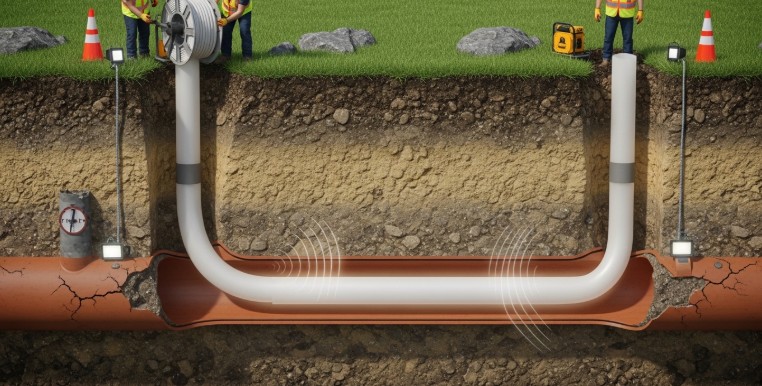
Trenchless sewer pipe lining is a modern pipe repair method that restores damaged sewer lines without excavation. It uses a resin-coated liner inserted into existing pipes and cured in place (CIPP method).
It is ideal for:
- Cracks and leaks
- Tree root intrusion
- Corrosion and wear
- Minor pipe collapses
Compared to traditional dig-and-replace methods, it is faster, less invasive, and significantly reduces property damage.
What Is Trenchless Sewer Pipe Lining and How Does It Work?
How trenchless sewer pipe lining works step-by-step
The process is highly technical but efficient. Here’s how professionals typically handle it:
- Camera Inspection
A high-resolution sewer camera is inserted to identify the exact problem, whether it’s a cracked pipe or root intrusion. - Pipe Cleaning (Hydro Jetting)
Pressurized water removes grease buildup, debris, and roots. This step is critical for proper liner adhesion. - Liner Insertion
A flexible liner soaked in epoxy resin is inserted into the damaged pipe. - Inflation and Curing
The liner is inflated and cured using hot water, steam, or UV light. It hardens into a durable pipe within the existing one. - Final Inspection
Another camera check ensures proper installation and flow restoration.
Materials Used in Trenchless Pipe Lining
- Epoxy resins (for sealing and durability)
- Polyester or fiberglass liners
- Air pressure systems and inversion drums
These materials create a seamless, joint-free pipe resistant to corrosion and leaks.
Common Sewer Problems Solved by Trenchless Sewer Pipe Lining
This method is ideal for addressing many real-world plumbing issues:
- Cracked Pipes: Often caused by soil shifting or freezing temperatures
- Tree Root Intrusion: Roots penetrate pipe joints searching for water
- Corrosion: Common in older metal pipes
- Misaligned Pipes: Minor shifts that disrupt flow
- Leaks and Infiltration: Groundwater entering damaged pipes
Real-life scenario:
A homeowner experiencing repeated drain clog solutions failing discovered tree roots had invaded their sewer line. Instead of tearing up their backyard, trenchless lining sealed the pipe internally, solving the issue in one day.
Why Homeowners Are Choosing Trenchless Sewer Pipe Lining
- No excavation or yard destruction
- Faster repairs (often within a day)
- Long-lasting results (50+ years)
- Eco-friendly process
- Lower restoration costs
For many, avoiding the need to rebuild driveways or landscaping is the biggest advantage.
Guide to Trenchless Sewer Pipe Lining (Inspection to Completion)
Step 1: Initial Sewer Camera Inspection
Pinpoints damage location and severity.
Step 2: Pipe Cleaning and Preparation
Removes grease, sludge, and roots to ensure a smooth surface.
Step 3: Liner Installation
The resin liner is carefully inserted and aligned.
Step 4: Curing Process
Heat or UV light hardens the liner into a solid pipe.
Step 5: Final Inspection and Testing
Confirms durability and proper wastewater flow.
Tools and Equipment Required for Trenchless Sewer Pipe Lining
- Sewer cameras
- Hydro jetting machines
- Lining inversion systems
- Air compressors
- UV or steam curing units
- PPE (gloves, respirators, protective suits)
These specialized tools make trenchless repair a professional-level job, not a typical DIY task.
Safety Precautions During Trenchless Sewer Pipe Lining
Safety is critical during this process:
- Ensure proper ventilation when handling resins
- Wear protective gear to avoid chemical exposure
- Monitor pressure levels during curing
- Follow plumbing codes and environmental standards
Ignoring these precautions can lead to system failure or health risks.
Trenchless Sewer Pipe Lining vs Traditional Sewer Repair
| Feature | Trenchless Sewer Pipe Lining | Traditional Dig-and-Replace |
|---|---|---|
| Excavation | None or minimal | Extensive digging |
| Time | 1–2 days | Several days to weeks |
| Cost | Moderate | High (due to restoration) |
| Property Damage | Minimal | Significant |
| Longevity | 50+ years | 30–50 years |
Cost Factors of Trenchless Sewer Pipe Lining
Several variables influence pricing:
- Pipe length and diameter
- Extent of damage
- Accessibility
- Material type
- Labor and equipment
Important:
Costs vary widely depending on your situation. Professionals like A to Z State Wide Plumbing typically perform inspections before providing accurate estimates.
DIY vs Professional Trenchless Sewer Pipe Lining
Can You DIY trenchless sewer pipe lining?
Technically possible but not practical.
Challenges include:
- Expensive equipment
- Risk of improper curing
- Incorrect liner placement
Professional Trenchless Pipe Lining Advantages
- Accurate diagnosis
- Industrial-grade tools
- Code-compliant installation
- Warranty protection
When to Call a Professional Plumber
You should contact an emergency plumber if you notice:
- Recurring sewer backups
- Persistent foul odors
- Slow drains across multiple fixtures
- Wet patches or sinkholes in your yard
- Aging plumbing systems
Experienced providers like A to Z State Wide Plumbing can determine whether trenchless repair is the right solution.
Maintenance Tips After Trenchless Sewer Pipe Lining
To extend the life of your newly lined pipe:
- Avoid grease and non-flushable items
- Schedule routine inspections
- Use enzyme-based cleaners
- Prevent tree root growth near lines
- Monitor water pressure
People Also Ask About Trenchless Sewer Pipe Lining
How long does trenchless sewer pipe lining last?
Typically 50 years or more with proper care.
Is trenchless sewer pipe lining worth it?
Yes, due to durability, minimal disruption, and long-term savings.
Does trenchless pipe lining reduce pipe diameter?
Slightly, but it does not affect performance significantly.
Can all pipes be repaired using trenchless sewer pipe lining?
No, severely collapsed pipes may require replacement.
How long does the process take?
Most projects are completed within one day.
Is trenchless sewer pipe lining safe for the environment?
Yes, it reduces excavation waste and environmental impact.
FAQs About Trenchless Sewer Pipe Lining
What is trenchless sewer pipe lining best used for?
Repairing cracks, leaks, and minor structural damage without excavation.
How much does trenchless sewer pipe lining cost per foot?
Costs vary but generally range depending on complexity and access.
Does trenchless sewer pipe lining work on clay pipes?
Yes, it is highly effective for older clay systems.
Can trenchless sewer pipe lining fix root intrusion?
Yes, it seals cracks and prevents future root entry.
Is trenchless sewer pipe lining permanent?
It is a long-term solution lasting decades.
Will insurance cover trenchless sewer pipe lining?
Sometimes, coverage depends on policy and cause of damage.
How do I know if I need trenchless sewer pipe lining?
Signs include frequent backups, slow drains, and aging pipes.
Can trenchless sewer pipe lining be done in winter?
Yes, it works year-round since it doesn’t require excavation.
Troubleshooting Issues After Trenchless Sewer Pipe Lining
While rare, issues may include:
- Reduced flow due to improper installation
- Missed branch connections
- Remaining debris
- Persistent odors
These problems usually require professional correction.
Preventing Future Sewer Line Damage
- Schedule regular inspections
- Avoid flushing harmful materials
- Install root barriers
- Address small issues early
Preventative maintenance is key to avoiding costly repairs.
Conclusion: Is Trenchless Sewer Pipe Lining the Right Solution for You?
If you’re dealing with recurring drain issues, leaks, or clogged sewer lines, trenchless sewer pipe lining offers a modern, efficient solution without the mess of excavation.
It’s:
- Durable
- Cost-effective long-term
- Minimally invasive
For best results, always rely on experienced professionals. Companies like A to Z State Wide Plumbing can evaluate your system and recommend the most effective repair strategy.
Need sewer repair without digging up your yard? Ask about our trenchless pipe lining service — available throughout South Florida. Free estimate: (954) 981-2133.