
Toilets are among the most used fixtures in any Florida home, and that constant use leads to inevitable wear and malfunction. Many toilet repair issues are straightforward problems that homeowners can identify themselves, even if they prefer hiring a professional for the actual fix. Knowing what causes common toilet problems helps you communicate effectively with plumbers and understand what repairs involve.
Running Toilets
A toilet that runs continuously wastes water and increases utility bills. The sound of water constantly flowing into the bowl indicates internal components have failed. Running toilets account for a significant portion of residential water waste in Florida.
Flapper Problems
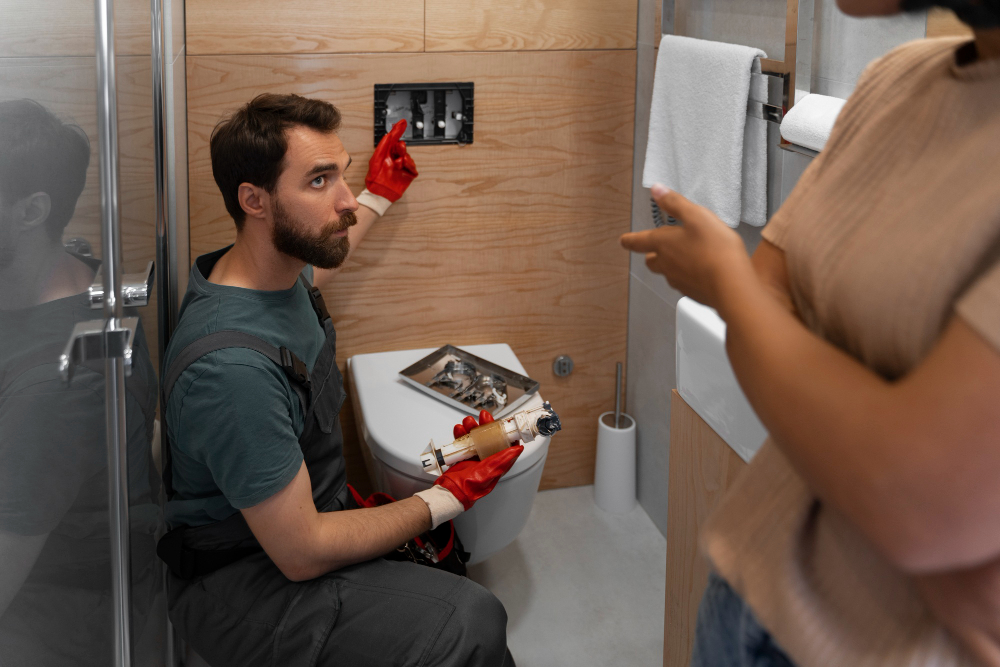
The flapper is a rubber seal at the tank bottom that lifts when you flush and closes afterward to allow the tank to refill. Florida’s chlorinated water and warm temperatures cause flappers to deteriorate faster than in other regions. A warped, cracked, or hardened flapper cannot seal properly, allowing water to leak from tank to bowl continuously.
Toilet repair for a faulty flapper involves draining the tank, removing the old flapper, and installing a replacement. The part costs only a few dollars. Plumbers can complete this repair in minutes during a service call.
Fill Valve Issues
The fill valve controls water entering the tank after a flush. When this valve malfunctions, it may run continuously, fail to shut off at the correct water level, or make whistling and humming noises. Mineral buildup from Florida’s hard water often contributes to fill valve failure.
Replacing a fill valve requires shutting off water to the toilet, draining the tank, disconnecting the supply line, and swapping the old valve for a new one. Modern fill valves are adjustable to accommodate different tank sizes.
Weak or Incomplete Flushes
Toilets that flush weakly or fail to clear the bowl completely create frustration and hygiene concerns. Several factors cause inadequate flushing.
Clogged Rim Jets
Water enters the bowl through small holes under the rim called rim jets. Hard water deposits clog these openings over time, reducing the water volume and velocity entering the bowl during flushes. Cleaning these jets with a small brush or dissolving deposits with vinegar solutions restores flush power.
Low Water Level in Tank
Insufficient water in the tank produces weak flushes. The water level should reach about one inch below the overflow tube. Adjusting the fill valve float corrects low water levels. If the tank has cracks allowing water to escape, replacement may be necessary.
Partial Clogs in the Trapway
The trapway is the curved channel inside the toilet base that leads to the drain. Partial blockages in this passage restrict water flow and reduce flush effectiveness. Professional toilet repair may involve using an auger to clear obstructions or removing the toilet to access and clear the trapway completely.
Toilet Clogs
Clogs range from minor inconveniences to major problems depending on severity and cause. Most clogs occur in the toilet’s internal trapway, but some originate in the drain line serving the toilet.
Clearing Toilet Clogs
A plunger resolves most toilet clogs. The key is using a flange plunger designed for toilets, not a flat cup plunger intended for sinks. Create a seal around the drain opening and apply firm, consistent pressure through several plunge cycles.
Stubborn clogs may require a toilet auger, also called a closet auger. This tool reaches deeper into the trapway than plungers can. Plumbers use professional-grade augers and can remove the toilet entirely for severe blockages or to retrieve objects accidentally flushed.
Leaks Around the Toilet Base
Water pooling around a toilet’s base indicates a failed wax ring seal. This ring sits between the toilet bottom and the drain flange, creating a watertight connection. Over time, wax rings compress, crack, or shift, breaking the seal.
Wax Ring Replacement
Toilet repair for a leaking base requires removing the entire toilet. The plumber shuts off water, disconnects the supply line, removes mounting bolts, and lifts the toilet off the flange. The old wax ring is scraped away, a new ring installed, and the toilet reset and secured. This repair also presents an opportunity to inspect the flange for damage.
Loose Toilets
A toilet that rocks or shifts when you sit on it needs attention. Movement breaks the wax seal, leading to leaks. It can also crack the toilet base or damage the floor flange. To fix this, the toilet must be lifted and reinstalled securely, which requires a new wax seal and possibly a replacement flange.
This job can often be tackled as a DIY project with the right tools and preparation, but if significant damage is found to the floor, calling a professional plumber is the safest choice. Ignoring a rocking toilet can result in costly water damage and subfloor repair.
Stabilizing a Loose Toilet
Sometimes simply tightening the mounting bolts stabilizes the toilet. If bolts are tight but the toilet still rocks, shims placed under the base can level it. Damaged flanges require repair or replacement before the toilet can be properly secured.
When to Call a Professional
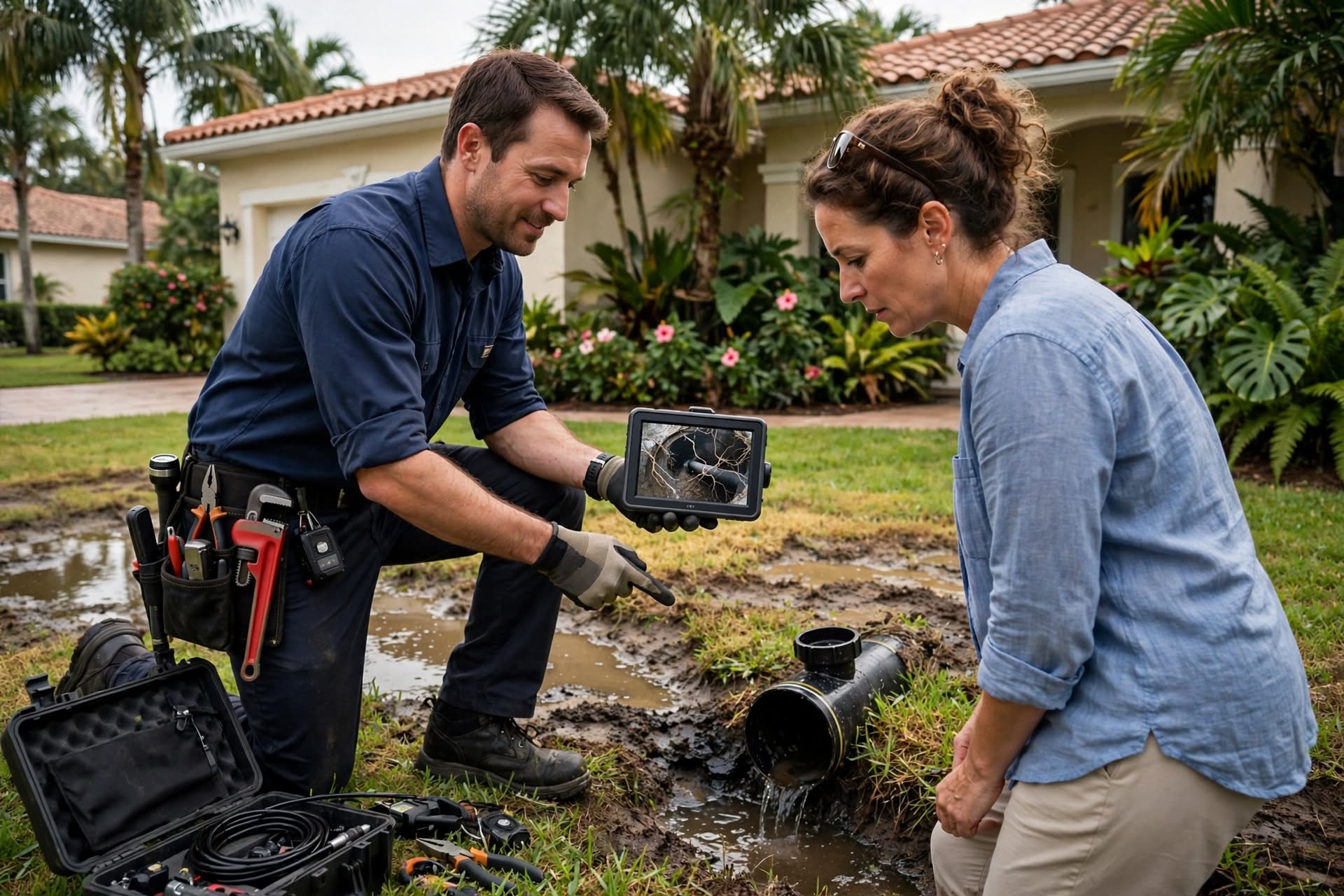
While some toilet repairs are straightforward, others benefit from professional attention. Recurring clogs may indicate drain line problems needing camera inspection. Leaks between tank and bowl require careful gasket work. Any repair involving toilet removal is easier and safer with experienced help. Florida homeowners can count on licensed plumbers to diagnose toilet problems accurately and complete repairs that last.