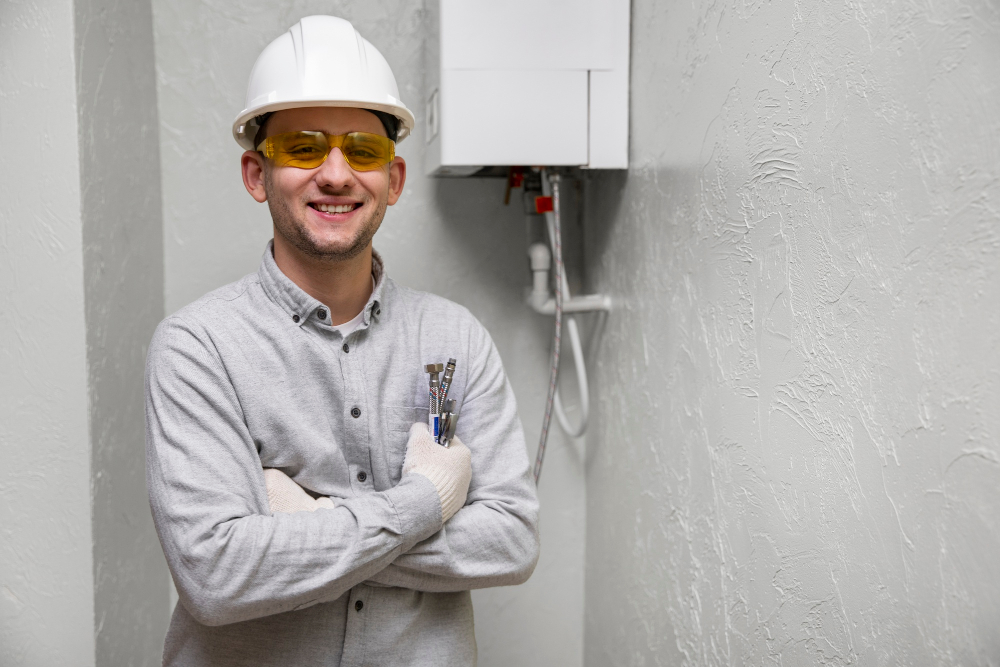

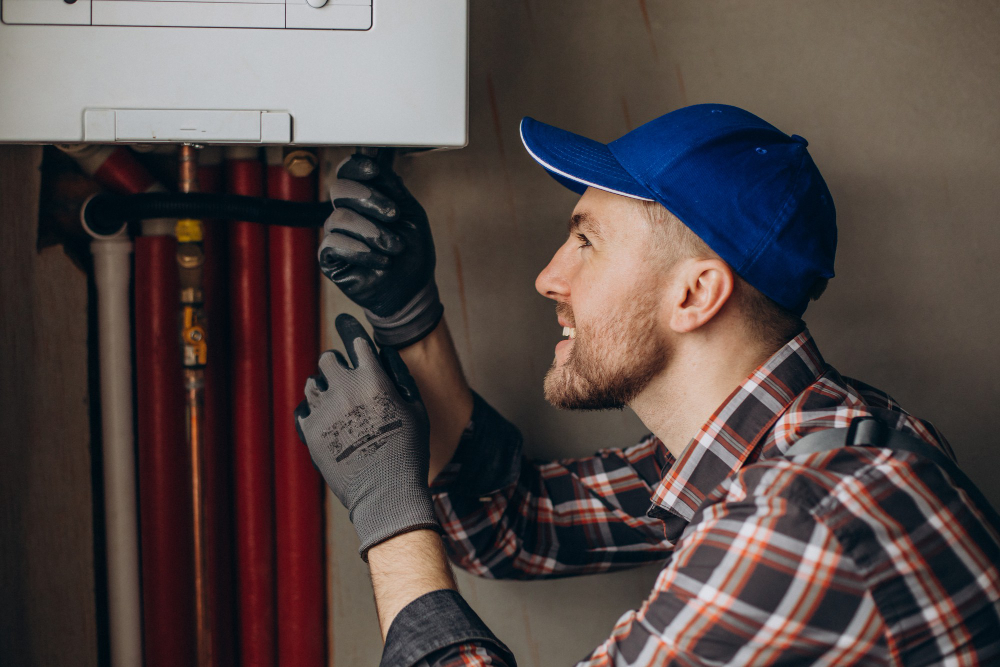
Water heaters in Florida face conditions that accelerate wear and require more frequent service than units in other regions. The combination of hard water, high humidity, and consistent hot water demand throughout the year means Florida homeowners should expect to schedule water heaters repair more often than manufacturer guidelines suggest. This guide covers the most frequent problems and how licensed plumbers address them.
No Hot Water
Complete loss of hot water is the most urgent water heater problem. The cause depends on your heater type. Gas units may have pilot light issues, thermocouple failures, or gas valve problems. Electric units commonly experience heating element burnout or thermostat malfunctions.
For both types, check that the circuit breaker hasn’t tripped or that the gas supply is active. A simple reset may solve the issue. However, if the unit is not heating despite power and fuel, immediate professional diagnosis is recommended, as internal failures or significant sediment buildup could be the culprit.
Prompt action is required to restore this essential household function.
Gas Water Heater Troubleshooting
If your gas water heater produces no hot water, check the pilot light first. Modern units with electronic ignition may show error codes indicating the problem. Plumbers specializing in water heaters repair test gas pressure, clean or replace thermocouples, and verify proper venting. Gas valve replacement is sometimes necessary for older units.
Electric Water Heater Diagnosis
Electric water heaters use one or two heating elements controlled by thermostats. Element failure is common in Florida due to hard water mineral buildup on the element surface. A plumber tests elements and thermostats with a multimeter and replaces failed components. Circuit breaker issues and wiring problems also cause complete hot water loss.
Insufficient Hot Water
Running out of hot water quickly suggests several possible causes. Sediment buildup in the tank bottom reduces effective capacity. Failing heating elements in electric units cannot maintain temperature. Dip tube deterioration allows cold water to mix with hot water near the outlet.
Sediment Accumulation
Florida’s hard water leaves calcium and magnesium deposits that settle at the tank bottom. This sediment layer insulates water from the heat source and reduces available storage space. Flushing the tank removes loose sediment. Severe buildup may require professional descaling or, in extreme cases, tank replacement.
Dip Tube Problems
The dip tube delivers cold incoming water to the tank bottom for heating. When this tube cracks or deteriorates, cold water enters near the top and mixes with heated water before it reaches full temperature. Dip tube replacement restores proper water heater function.
Water Temperature Fluctuations
Inconsistent water temperature indicates thermostat issues or failing heating elements. In dual-element electric heaters, one working element and one failed element produce this symptom. Cross-connected plumbing can also cause temperature swings.
Thermostat Calibration & Replacement
Plumbers performing water heaters repair test thermostats for accurate temperature reading and proper function. Calibration adjustments sometimes resolve fluctuation issues. Faulty thermostats require replacement. Both the upper and lower thermostats should be checked in dual-element systems.
Strange Noises from the Tank
Popping, rumbling, or cracking sounds from your water heater typically indicate sediment problems. Water trapped under sediment layers creates steam bubbles that make noise when they escape. While not immediately dangerous, these sounds signal efficiency loss and long-term damage.
Resolving Noise Issues
Tank flushing removes sediment and often eliminates noise. For hardened mineral deposits, professional descaling may be necessary. Installing a water softener prevents future sediment accumulation. Regular maintenance every 6 to 12 months in Florida keeps sediment under control.
Water Leaks
Leaks around your water heater demand immediate attention. Common leak sources include the temperature and pressure relief valve, drain valve, supply connections, and the tank itself. Tank leaks often indicate internal corrosion and usually mean replacement is necessary.
Identifying Leak Sources
Plumbers systematically check each leak point. Relief valve discharge indicates excessive pressure or temperature and requires investigation. Fitting leaks often need simple tightening or washer replacement. Tank corrosion leaks mean the unit has reached the end of its service life.
Discolored or Smelly Hot Water
Rusty water suggests tank corrosion or deteriorating anode rod. A rotten egg smell indicates bacteria growth in the tank, common when water heaters sit unused during vacations or in seasonal residences. Both problems are fixable when caught early.
Anode Rod Replacement
The anode rod sacrifices itself to protect the tank from corrosion. Florida’s aggressive water conditions deplete anode rods faster than in other areas. Annual inspection and timely replacement extend tank life significantly. Plumbers experienced in water heaters repair recommend checking anode rods every year in Florida homes.
When to Repair vs. Replace
Water heaters over 10 years old with recurring problems are often better replaced than repaired, especially if repair costs exceed half the price of a new unit. Energy efficiency improvements in newer models, which can be up to 20% more efficient, can offset purchase costs through lower utility bills.
Additionally, new units offer improved reliability and may include valuable warranties. Your plumber can assess if repair makes economic sense based on unit age, condition, and repair costs versus replacement investment, while also factoring in rebates for energy-efficient upgrades and your long-term household needs.
This detailed evaluation ensures the most cost-effective and reliable decision for your home.