

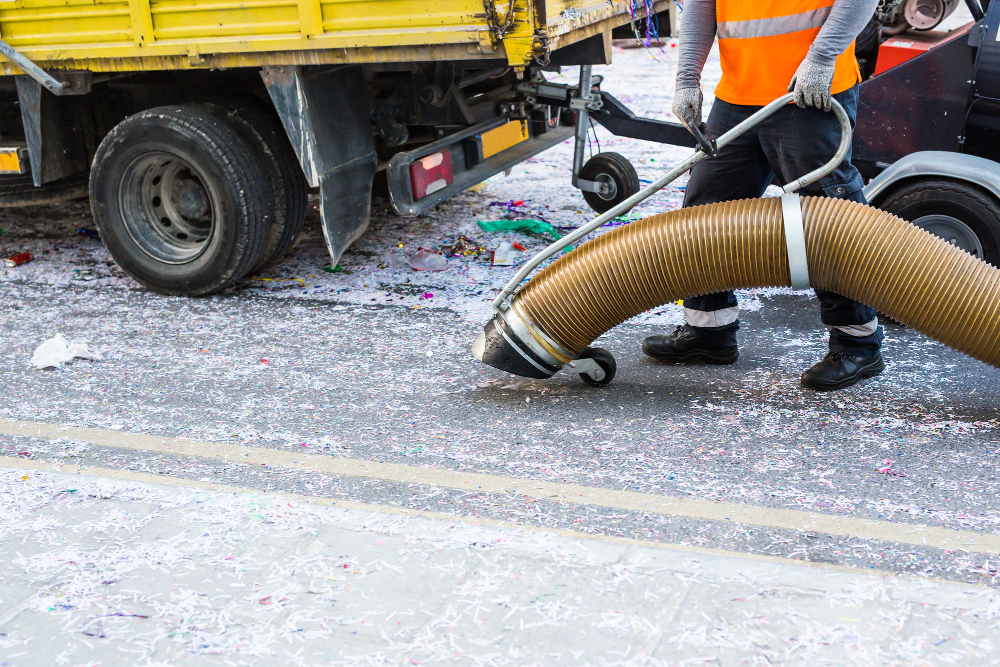
South Florida flooding is not a rare event. It happens during hurricane season, during heavy afternoon storms, and increasingly during tidal flooding events in coastal areas. When water rises quickly and in large volumes, the cleanup process involves a lot more than mops and towels. For serious flood situations, vacuum truck services in Miami are one of the most direct tools available for removing water, debris, and contaminated material from properties and infrastructure.
What a Vacuum Truck Does
A vacuum truck is essentially a mobile suction and containment system. It uses a powerful pump mounted on a truck to create suction through a large hose, pulling liquid and solid material into a holding tank on the vehicle. The capacity of the tank and the strength of the pump vary by unit, but commercial vacuum trucks can handle thousands of gallons per load and generate enough suction to pull dense, heavy slurry from pits, tanks, and flooded areas.
This is equipment that goes far beyond a wet/dry shop vac or a residential sump pump. When water has mixed with sediment, debris, raw sewage, or chemicals, vacuum trucks can remove the entire mixture in a way that other equipment can’t.
Why Flooding in South Florida Is Particularly Demanding
South Florida’s geography and infrastructure create specific challenges during flood events that aren’t always present in other parts of the country.
Low Elevation & a High Water Table
Much of Miami-Dade and Broward County sits at low elevations, and the water table is already close to the surface in many areas. When heavy rain arrives, the soil saturates quickly because there’s little room for water to absorb downward. Water that can’t be absorbed stays on the surface or flows to wherever the lowest point is, which is often someone’s property, parking lot, or basement.
Aging Stormwater Infrastructure
The stormwater systems in many South Florida communities were designed decades ago and weren’t built for the volume of water that modern storm events can produce. During heavy rainfall, the storm drains fill faster than they can drain, and water backs up into streets and properties. Vacuum trucks can remove standing water from these situations while the storm system catches up.
Sewage & Contamination Risk
Flooding in South Florida frequently involves water that has mixed with sewage. When storm drains overflow, the water in those drains has often combined with sanitary sewer overflow, which makes the floodwater a contamination risk. Properties that have been flooded with this type of water need to be cleaned out properly, not just dried out. Vacuum trucks remove the contaminated water and material so that proper sanitation can follow.
How Vacuum Truck Services Are Used During Flood Cleanup
Extracting Standing Water from Properties
The first phase of flood cleanup is getting the water out. For residential properties, smaller pumping equipment might handle this. But for commercial buildings, parking garages, industrial facilities, or properties with significant debris mixed into the water, vacuum truck services in Miami provide the capacity and suction power to clear the area faster.
Speed matters in flood cleanup because every hour that water sits inside a building is an hour of additional damage to flooring, walls, electrical systems, and structural materials. Mold growth can begin within 24 to 48 hours in South Florida’s warm climate, so the faster the water is extracted, the smaller the window for that secondary damage to take hold.
Clearing Catch Basins & Storm Drains
Catch basins and storm drains collect debris over time, and during a flooding event, that debris combines with incoming water to block the drain and make flooding worse. Vacuum trucks clear catch basins quickly, restoring drainage capacity so water can continue moving through the system rather than pooling on the surface.
For municipalities and property managers dealing with flood recovery, getting storm drains cleared is often one of the first priorities because it prevents additional water from accumulating while other cleanup work is happening.
Removing Sludge & Contaminated Material
After the bulk water is removed, the residue left behind in flooded areas often includes sediment, mud, and contaminated sludge. This material can’t be moved with standard cleanup equipment. Vacuum trucks extract it in a way that’s contained and controlled, preventing the material from spreading to areas that weren’t directly flooded.
For properties near waterways, this is also an environmental consideration. Flooding near canals, bays, or other water bodies can carry contaminants into those water sources if they’re not captured properly during cleanup.
Supporting Lift Station Recovery
Lift stations are part of the infrastructure that moves sewage through the collection system. During flooding events, they can be overwhelmed by the volume of water entering the sewer system through damaged lines or manholes. When a lift station is flooded or its wet well is overloaded, vacuum trucks can provide temporary relief by removing excess material until the station can return to normal operation.
This is a service used by both municipalities and commercial property owners who have private lift stations on their properties.
After the Flood: What Comes Next
Vacuum truck services in Miami address the immediate removal phase of flood cleanup, but they work alongside other services to restore a property fully. Once the water and contaminated material are removed, the space needs to be assessed for structural damage, sanitized, and dried out. Plumbing systems that were exposed to floodwaters may need inspection to confirm they weren’t damaged or contaminated.
For commercial properties with grease traps, holding tanks, or septic systems that were affected by the flood, those systems should be inspected and serviced as part of the cleanup process. Floodwater can introduce debris and contamination into these systems that affects how they function afterward.
Having access to vacuum truck services in Miami as part of a broader flood response capability means that when the next storm event brings serious flooding, the response can begin immediately rather than waiting for equipment to be sourced from elsewhere. For South Florida property owners and managers, that kind of preparedness makes a real difference in how quickly normal operations can resume.