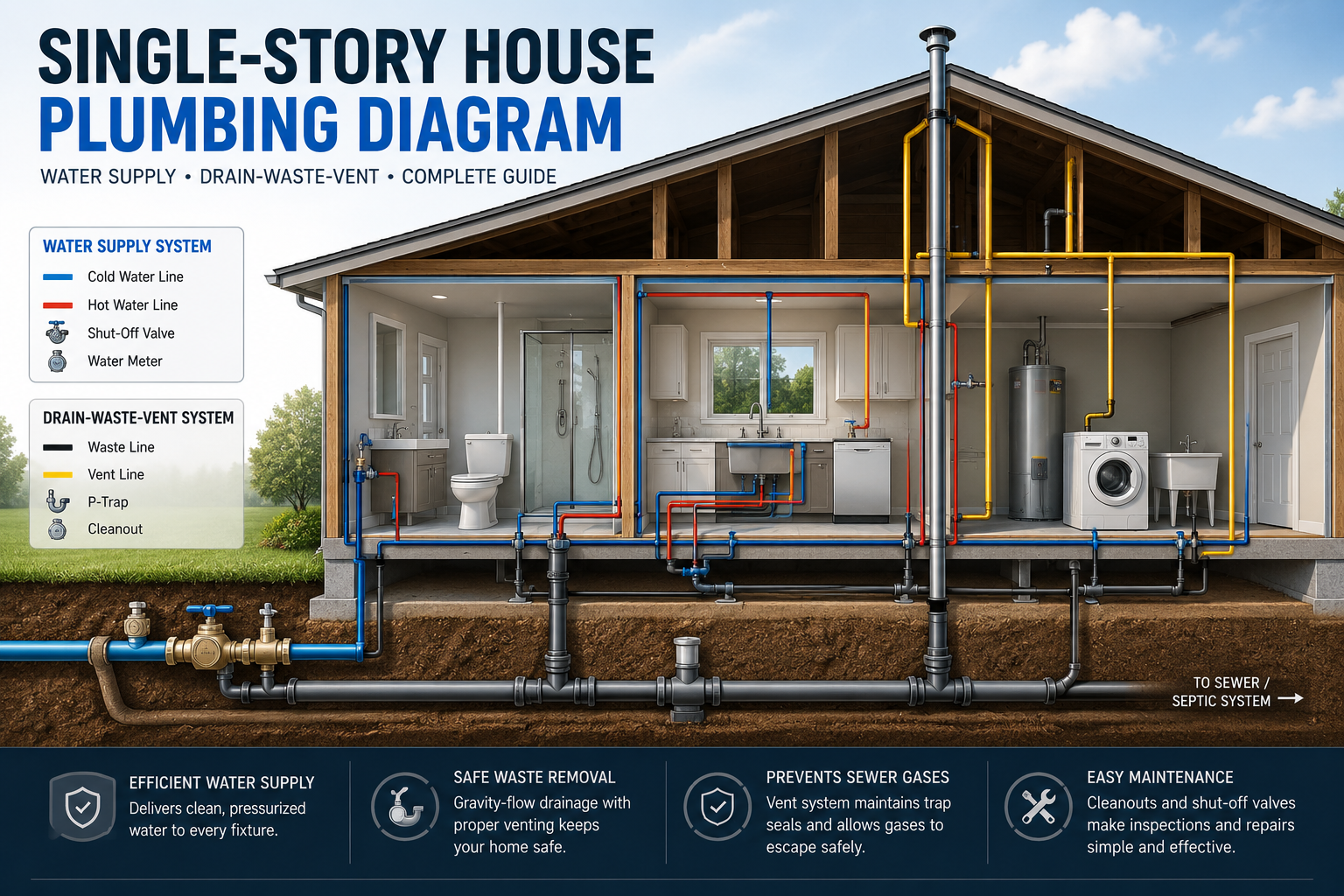

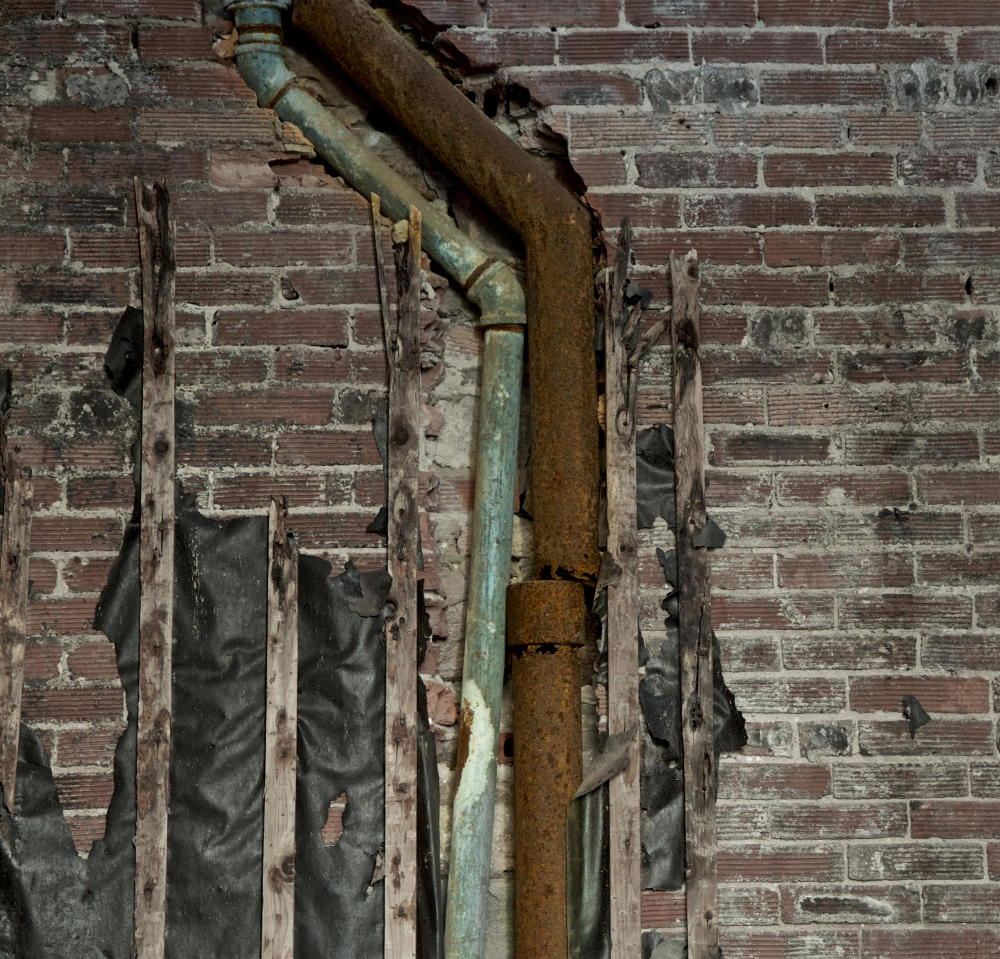
If your home was built before 1975, there’s a good chance the drain lines beneath your slab are cast iron. For decades, cast iron was the standard material for residential sewer and drain pipes, and it earned that reputation for holding up under pressure. But cast iron has a lifespan, and in South Florida’s environment, that lifespan runs out faster than most homeowners expect.
The problem is that cast iron pipe failure rarely announces itself clearly. The pipe deteriorates from the inside out, and by the time symptoms show up at the surface, the damage underneath is often already serious. Knowing what to look for and when to act can save a homeowner from a far more expensive situation down the road.
Why Cast Iron Deteriorates Faster in South Florida
Cast iron pipe corrodes through a process called oxidation. The material is iron, and iron rusts. Inside a drain pipe, that process is accelerated by the constant presence of moisture, the gases produced by wastewater, and the mineral content in the soil surrounding buried pipes.
South Florida adds several factors that speed this up. The region’s high humidity means pipes in crawl spaces and unconditioned areas are never fully dry. The groundwater table is high, which means buried pipes are often surrounded by moisture-saturated soil. Hydrogen sulfide gas, which is produced naturally as wastewater breaks down inside the pipe, creates sulfuric acid when it contacts moisture on the interior pipe wall. That acid eats through cast iron from the inside, a process called corrosion.
The Role of Soil Conditions
The soil in many South Florida neighborhoods contains elevated chloride levels from saltwater intrusion and from the proximity to the coast. Chlorides accelerate corrosion in iron pipes, and the combination of high groundwater, humid air, and salt-influenced soil makes the underground environment particularly hard on old cast iron.
Pipes that might last 75 to 100 years in a dry inland environment can deteriorate significantly in 50 years or less under these conditions. Homes built in the 1950s, 1960s, and early 1970s that have never had their sewer lines evaluated are often running on cast iron that is at or past the point of failure.
What Cast Iron Pipe Failure Looks Like
The challenge with cast iron failure is that the early stages are invisible. The pipe deteriorates internally, and nothing on the surface of the floor or in the walls gives it away. By the time visible symptoms appear, the pipe has usually been failing for some time.
Slow Drains Across Multiple Fixtures
A single slow drain usually points to a localized clog. When multiple drains in different parts of the house are slow, the problem is more likely in the main drain line or in a section of pipe that serves several fixtures. Corroded cast iron develops a rough, pitted interior surface that collects debris and narrows the pipe’s effective diameter over time. That buildup affects everything upstream of the deteriorated section.
Sewage Odors Without an Obvious Source
Hydrogen sulfide gas has a distinctive odor. When cast iron pipe walls are pitted or perforated, that gas can escape through the pipe and into the surrounding soil, and from there into the home through the slab. If there’s a persistent sewage smell in a room that doesn’t have an obvious plumbing source, a deteriorating drain line beneath the floor is worth investigating.
Wet Spots or Settling in the Yard
When a buried cast iron pipe has collapsed or developed significant holes, wastewater escapes into the surrounding soil. Over time, that saturation causes the soil to shift and settle. A low spot or soft patch in the yard above where a drain line runs, especially one that appeared without an obvious cause, can indicate a failed pipe below.
Foundation & Slab Movement
This is where the situation becomes more serious. When wastewater leaks into the soil beneath a slab, it erodes the material supporting the foundation. That erosion creates voids. When a section of the slab loses its support, it settles or cracks. Doors and windows that stick or don’t close properly, visible cracks along tile grout lines, or separations at wall-floor joints can all be signs that the slab has moved because of what’s happening underground.
How to Confirm the Condition of Your Cast Iron Pipes
The only reliable way to assess the condition of buried cast iron drain lines is a sewer camera inspection. A camera is fed into the line through a cleanout or access point, and the footage shows the interior condition of the pipe directly.
A camera inspection will show the degree of corrosion, any collapsed sections, buildup that has narrowed the pipe, root intrusion, and offset joints where sections have shifted out of alignment. It gives a clear picture of what’s there and how serious the deterioration is before any decisions are made about repair.
What Repair Looks Like
Depending on what the camera finds, the options range from pipe lining to full pipe replacement. Pipe lining can restore a deteriorated cast iron pipe that still has structural integrity by installing a cured-in-place liner that seals the interior and creates a smooth, corrosion-resistant surface. If sections have collapsed or the pipe wall is too thin to support a liner, replacement through spot excavation or rerouting the line above the slab may be the right path.
The earlier the inspection happens, the more options remain available. A pipe that’s corroded but intact can be lined. A pipe that’s collapsed beneath the slab has already created the conditions for foundation damage, and the repair becomes more involved.
If your home was built before 1975 and the original drain lines have never been inspected or replaced, getting a camera inspection scheduled is the right move. It tells you what you’re working with and puts the decision in your hands before circumstances force it.