
Immediate Short Answer — Can electric water heaters explode?
Yes, electric water heaters can explode, but it’s extremely rare. Explosions typically happen only when critical safety components like the temperature and pressure (T&P) relief valve fail, allowing dangerous pressure to build inside the tank.
A Hidden Risk Most Homeowners Ignore
Imagine hearing a loud bang from your utility room, only to discover your water heater has ruptured. While rare, this is exactly why many homeowners search: can electric water heaters explode?
In most real-life plumbing scenarios, the danger doesn’t come suddenly, it builds over time due to neglect, sediment buildup, or faulty components. The good news? These situations are almost always preventable with proper maintenance and awareness.
What Does It Mean for an Electric Water Heater to Explode?
In plumbing terms, an “explosion” refers to a tank rupture caused by excessive internal pressure.
Electric water heaters operate in a sealed environment where water is heated under pressure. If that pressure isn’t released properly, the tank can fail violently.
Unlike gas heaters:
- No combustion risk exists
- No gas ignition is involved
- But pressure-related failure is still possible
Why Can Electric Water Heaters Explode?
How Pressure Builds Inside the Tank
Water expands when heated. In a closed plumbing system, this expansion increases pressure. Without proper release, that pressure continues to rise.
Key Causes of Explosion Risk
- Faulty or blocked T&P relief valve
- Thermostat malfunction causing overheating
- Sediment buildup trapping heat
- Lack of routine maintenance
- No expansion tank in closed systems
- Corroded or weakened tank walls
Real-world insight:
Plumbers often find that explosions (or near-failures) happen in older systems where maintenance was ignored for years.
Common Plumbing Problems That Increase Explosion Risk
These warning signs often appear before serious failure:
- Extremely hot or scalding water
- Loud rumbling or banging noises
- Leaking pressure relief valve
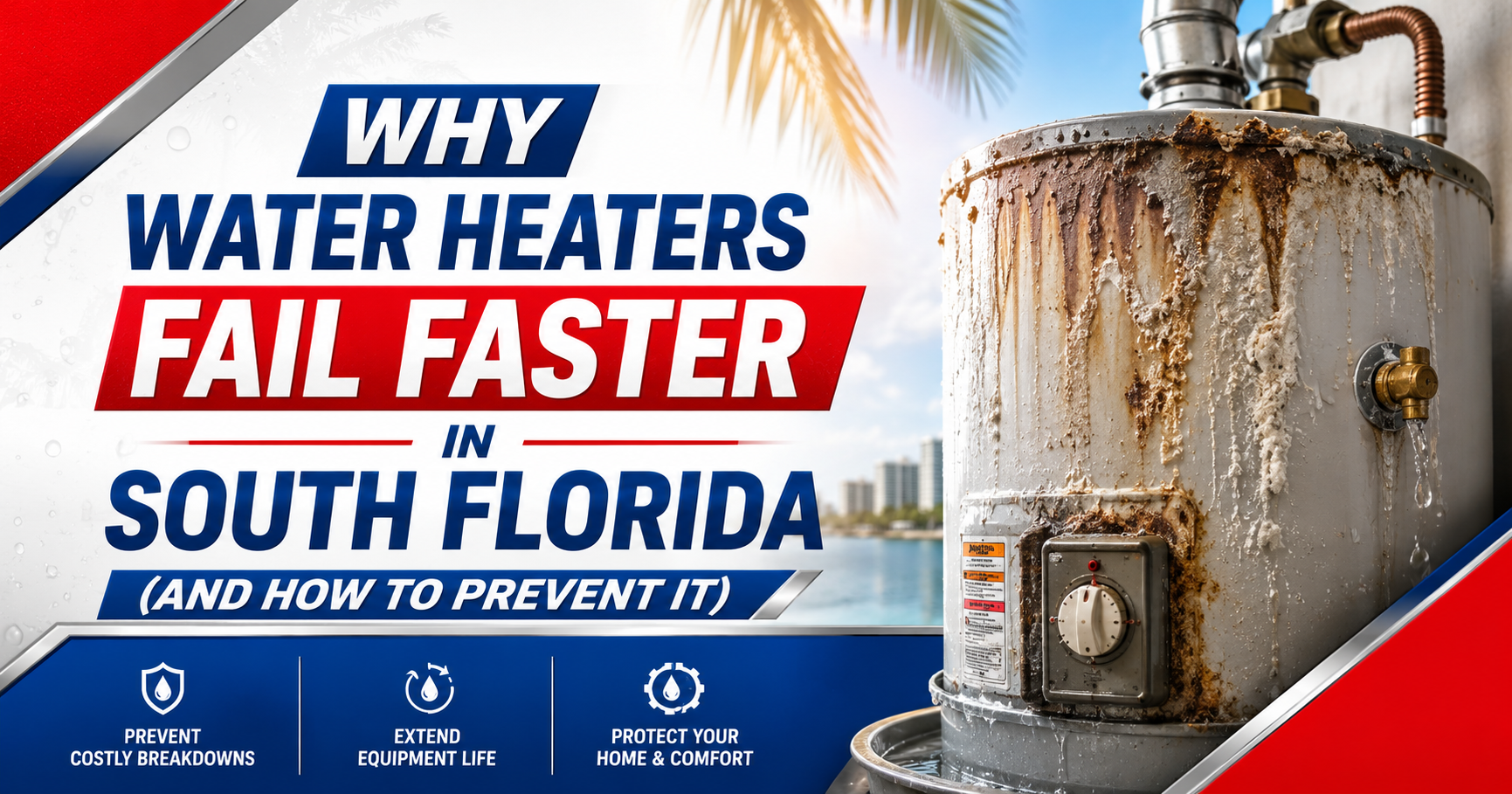
- Rust or corrosion on tank
- Fluctuating water pressure
- Discolored or rusty water
Many homeowners initially think they need an emergency plumber for a sudden issue, but these symptoms usually develop gradually.
Tools Required for Inspection & Safety Checks
Basic tools for safe monitoring include:
- Pressure gauge
- Adjustable wrench
- Multimeter (for thermostat testing)
- Garden hose (for flushing tank)
- Screwdriver set
- Safety gloves
Safety Considerations for Electric Water Heaters
Even without gas, electric systems can be dangerous if mishandled:
- Turn off power before inspection
- Never block or cap the T&P valve
- Avoid touching hot surfaces
- Keep area dry and ventilated
- Install an expansion tank if needed
- Never ignore leaks or unusual noises
How to Prevent Electric Water Heater Explosion
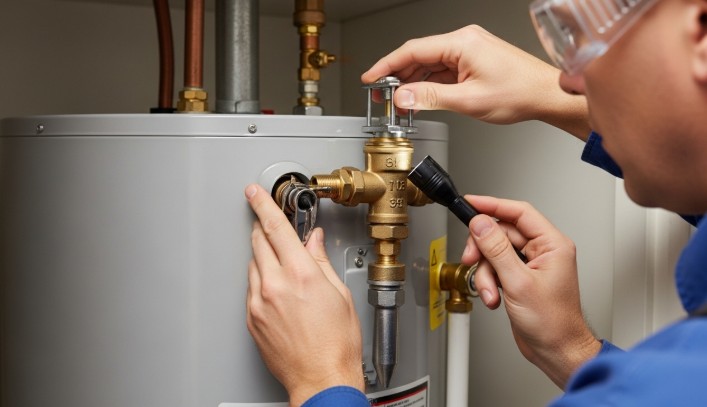
Step 1 — Inspect the T&P Relief Valve
Ensure it is not blocked, leaking, or malfunctioning.
Step 2 — Check Thermostat Settings
Keep temperature around 120°F to prevent overheating.
Step 3 — Flush the Tank Regularly
Remove sediment buildup that traps heat.
Step 4 — Inspect for Corrosion or Damage
Check tank, pipes, and fittings for rust or wear.
Step 5 — Test Water Pressure
Maintain pressure below 80 psi.
Step 6 — Install an Expansion Tank
Especially important in closed plumbing systems.
Troubleshooting & Prevention Tips
- Perform annual maintenance
- Replace faulty valves immediately
- Monitor pressure levels regularly
- Address unusual noises early
- Schedule yearly plumbing inspections
Preventative care is always cheaper than emergency repairs.
Comparison: Electric vs Gas Water Heater Explosion Risk
| Feature | Electric Water Heater | Gas Water Heater |
|---|---|---|
| Explosion Risk | Very low | Low to moderate |
| Cause of Explosion | Pressure buildup | Pressure + gas issues |
| Combustion Risk | None | Present |
| Safety Components | T&P valve, thermostat | T&P valve, gas controls |
| Maintenance Importance | High | Very high |
When to Call a Professional Plumber
Call a professional immediately if:
- Water heater is overheating
- T&P valve is leaking or not working
- Loud rumbling sounds persist
- Tank shows rust or bulging
- Water pressure is abnormally high
In these cases, experienced services like A to Z State Wide Plumbing can safely diagnose issues, replace faulty components, and prevent serious damage.
Cost Factors for Repair & Safety Upgrades
Costs vary depending on:
- T&P valve replacement
- Thermostat repair
- Expansion tank installation
- Tank flushing services
- Full water heater replacement
Expert tip: Preventative maintenance is significantly cheaper than dealing with structural damage from a failure.
Maintenance Tips to Prevent Explosion Risk
- Flush tank annually
- Inspect T&P valve regularly
- Maintain safe temperature settings
- Replace worn parts early
- Schedule annual inspections
People Also Ask — Related Questions
Can electric water heaters explode in homes?
Yes, but it’s extremely rare with proper maintenance.
What causes a water heater to explode?
Excess pressure buildup due to safety failure.
Are electric water heaters safer than gas?
Yes, they eliminate combustion-related risks.
Can sediment cause an explosion?
Yes, it traps heat and increases pressure.
How often should I check my water heater?
At least once per year.
FAQs — Can Electric Water Heaters Explode?
Can electric water heaters explode suddenly?
Very rarely, usually only after warning signs are ignored.
What is the most common cause of explosion?
A failed or blocked pressure relief valve.
Is it safe to keep an old water heater?
Only if properly maintained and inspected.
Do modern heaters have safety features?
Yes, including thermostats and pressure relief valves.
How can I reduce explosion risk?
Regular maintenance and pressure monitoring.
Should I replace a noisy water heater?
Yes, noise often signals sediment buildup or internal issues.
Is professional inspection necessary?
Highly recommended for safety and longevity.
Conclusion: Understanding Electric Water Heater Safety
Understanding can electric water heaters explode helps homeowners take proactive safety measures. While the risk is extremely low, it’s not zero, especially when maintenance is neglected.
Actionable takeaway:
Regular inspections, proper pressure control, and early troubleshooting can prevent nearly all risks. Stay proactive, and your water heater will remain safe, efficient, and reliable for years.