
A stinky garbage disposal is one of the most common kitchen plumbing problems homeowners deal with, especially in busy households where food waste builds up quickly. The smell often seems to come out of nowhere, and no amount of running water seems to fix it.
Understanding how to clean stinky garbage disposal properly is not just about removing odor, it’s about preventing drain clogs, bacterial buildup, and long-term plumbing issues inside your kitchen system.
This guide explains exactly what causes the smell, how to fix it step-by-step, and when you need professional plumbing support.
Short Answer: How to Clean Stinky Garbage Disposal?
To quickly clean a stinky garbage disposal:
- Turn off disposal and run cold water
- Use baking soda + vinegar to break down buildup
- Flush with hot water for 30–60 seconds
- Clean rubber splash guard manually
- Finish with citrus peels for fresh smell
Quick takeaway:
Most garbage disposal odors come from trapped food debris, grease buildup, or bacteria inside the grinding chamber.
What Is a Garbage Disposal and Why It Starts Smelling?
A garbage disposal is a kitchen plumbing device installed under the sink that grinds food waste into small particles so it can safely pass through drain lines.
When working properly, it helps reduce kitchen waste and keeps sinks clear. However, over time, food particles and grease can stick inside the grinding chamber and drain pipes.
This creates:
- Bacterial growth
- Rotting food residue
- Foul kitchen odors
It is also closely connected to common plumbing problems like slow drains and partial clogs when not maintained properly.
Common Causes of a Stinky Garbage Disposal
Most odor issues come from buildup and poor maintenance rather than mechanical failure.
- Food particles stuck in grinding chamber
- Grease and oil buildup inside drain lines
- Bacterial growth from organic waste
- Dirty rubber splash guard (flange)
- Lack of regular cleaning or maintenance
Grease is the biggest contributor because it solidifies inside pipes and traps food debris.
How to Clean Stinky Garbage Disposal (Step-by-Step Guide)
Proper cleaning is simple, but it must be done in the correct order for best results.
How to Clean Stinky Garbage Disposal Safely and Effectively
Step 1: Turn off power at switch or breaker
Prevents accidental activation during cleaning.
Time: 1–2 minutes | Difficulty: Easy
Step 2: Remove visible food debris using tongs
Never use hands inside the disposal.
Time: 3–5 minutes | Difficulty: Easy
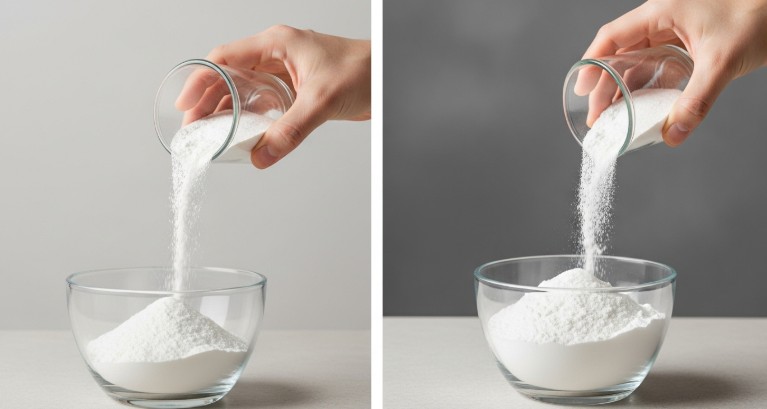
Step 3: Pour ½ cup baking soda into drain
Breaks down grease and neutralizes odor.
Step 4: Add 1 cup white vinegar
Creates foaming reaction that loosens buildup.
Time: 5–10 minutes reaction time
Step 5: Flush with hot water for 30–60 seconds
Removes loosened debris and bacteria.
Step 6: Scrub rubber splash guard with brush
This is where most odor bacteria hide.
Step 7: Grind citrus peels for fresh smell
Lemon or orange peels help deodorize naturally.
Total time:
10–20 minutes
Difficulty:
Easy DIY plumbing maintenance task
Signs Your Garbage Disposal Needs Deep Cleaning
Even if it looks clean, these signs indicate deeper buildup:
- Persistent foul smell after rinsing
- Slow draining kitchen sink
- Gurgling noises during use
- Visible food buildup under splash guard
- Greasy residue inside drain opening
If multiple symptoms appear, the issue may extend into the drain line.
DIY vs Professional Cleaning for Garbage Disposal Odor
Can You Clean Stinky Garbage Disposal Yourself?
Yes, most homeowners can handle basic cleaning using simple tools.
Basic tools needed:
- Baking soda
- White vinegar
- Scrub brush or old toothbrush
- Citrus peels or ice cubes
DIY cleaning works well for mild to moderate odor caused by surface buildup. Regular maintenance also helps avoid expensive plumbing repair cost situations later.
When to Call a Professional Plumber
Some situations require deeper drain inspection:
- Odor persists after multiple cleanings
- Drain clog deeper in plumbing line
- Backflow or slow drainage issues
- Grinding mechanism malfunction
In these cases, professionals like A to Z State Wide Plumbing use specialized tools to clean internal drain lines where DIY methods cannot reach.
Garbage Disposal Cleaning Methods
| Method | Effectiveness | Cost | Time Required | Best For |
|---|---|---|---|---|
| Baking soda + vinegar | High | $2–$5 | 10–15 min | Regular cleaning |
| Ice + salt grind | Medium | $3–$8 | 5–10 min | Blade cleaning |
| Citrus peel grind | Medium | $1–$5 | 5 min | Odor freshening |
| Chemical cleaners | High | $10–$20 | 10–20 min | Heavy buildup |
| Professional cleaning | Very high | $80–$200 | 30–60 min | Severe odor/clogs |
Repair vs Replace: What’s Better for a Smelly Garbage Disposal?
Repair if:
- Odor is mild or occasional
- Drain system is still flowing properly
- No mechanical grinding issues
Replace if:
- Motor is weak or failing
- Frequent clogs or backups occur
- Unit is 8–10+ years old
A failing disposal often leads to repeated plumbing problems, not just odor.
Cost of Cleaning or Fixing a Stinky Garbage Disposal
Here’s what homeowners typically spend:
- DIY cleaning: $2–$10
- Drain snake service: $80–$150
- Professional deep cleaning: $100–$200
- Replacement unit: $150–$600+
Costs increase significantly if the clog extends into the main drain line.
Safety Considerations When Cleaning Garbage Disposal
Always follow safety steps:
- Disconnect power before cleaning
- Never insert hands inside disposal chamber
- Avoid harsh chemical overuse
- Use tools like tongs or brushes for debris removal
- Run cold water during operation for safe flushing
Safety is critical because disposal blades can activate unexpectedly if not properly disconnected.
How to Prevent Garbage Disposal from Smelling Again
Prevention is more effective than repeated cleaning:
- Run cold water after every use
- Avoid grease or oil disposal into sink
- Clean weekly with baking soda and vinegar
- Grind citrus peels regularly
- Use ice cubes to clean blades and loosen debris
These habits significantly reduce buildup and extend system life.
FAQs About How to Clean Stinky Garbage Disposal
How often should I clean my garbage disposal?
At least once a week for regular maintenance.
Why does my garbage disposal smell bad even after cleaning?
Likely due to deep drain line buildup or trapped grease.
Can baking soda and vinegar damage garbage disposal?
No, it is safe and widely recommended for cleaning.
What is the fastest way to remove garbage disposal odor?
Baking soda, vinegar, and hot water flush method.
Can a clogged drain cause garbage disposal smell?
Yes, trapped waste in drain lines causes odor buildup.
Do plumbers clean garbage disposals?
Yes, especially when odor originates deeper in plumbing lines.
Is it safe to use chemical cleaners in garbage disposal?
Occasionally, but natural cleaning methods are safer long-term.
When should I replace my garbage disposal?
When motor failure or persistent odor continues after cleaning.
Conclusion: Best Way to Clean Stinky Garbage Disposal
Most garbage disposal odors come from trapped food waste, grease buildup, and bacterial growth inside the grinding chamber. In most cases, a simple DIY cleaning routine is enough to restore proper function and eliminate smell.
However, if the odor keeps returning or drains begin to slow, it may indicate a deeper plumbing issue beyond the disposal itself.
Regular maintenance prevents expensive plumbing repair issues and keeps your kitchen system running efficiently. For persistent problems, professional services such as A to Z State Wide Plumbing can inspect the full drainage system and resolve hidden buildup before it turns into a major blockage.
Still smelling sewage from your disposal?
It may be a deeper drain problem. Call A to Z Plumbing at (954) 981-2133 for same-day drain cleaning in South Florida.