

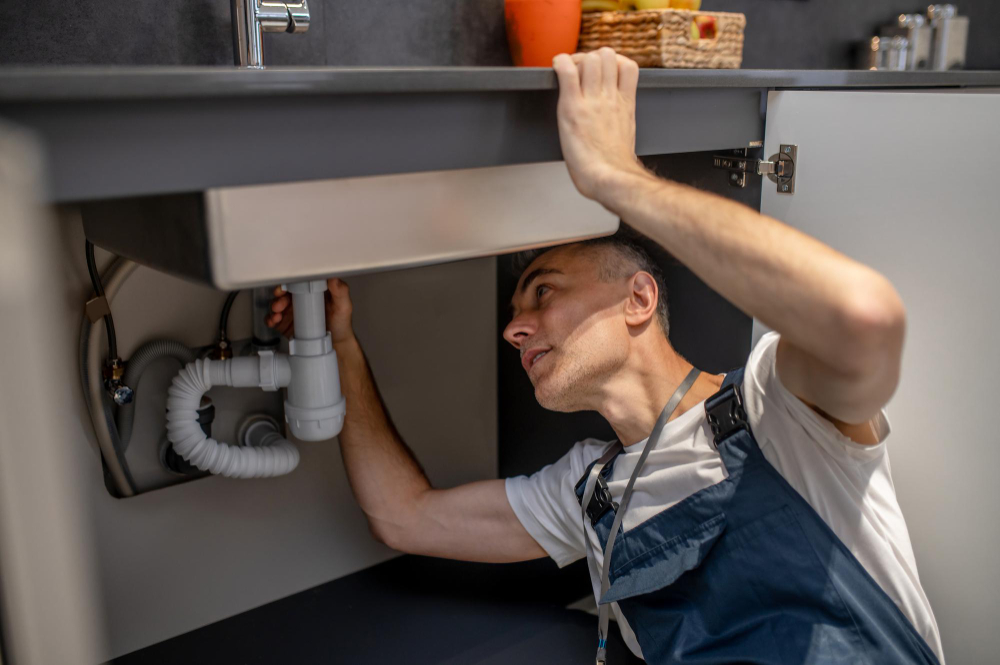
Clogged drains are among the most frequent reasons homeowners call a drain cleaning plumber. While the symptoms are similar, the causes vary widely depending on the drain location and household habits. Knowing what causes blockages helps prevent them and keeps your plumbing system flowing freely.
Hair Accumulation in Bathroom Drains
Hair is the leading cause of bathroom drain clogs. Every shower sends strands down the drain where they catch on pipe walls, fixture components, and existing debris. Over weeks and months, hair combines with soap residue to form dense mats that restrict water flow.
Prevention & Treatment
Drain covers that catch hair before it enters pipes are the simplest prevention method. Clean these covers weekly. If a clog forms, a drain cleaning plumber uses specialized tools to extract the hair mass. Motorized snakes with grabbing attachments work well for hair clogs near the drain opening. For deeper blockages, hydrojetting flushes accumulated debris through the system.
Soap Scum & Product Buildup
Traditional bar soaps leave residue that coats pipe interiors. When mixed with hard water minerals common in South Florida, this residue hardens into a substance called soap scum. Shampoo, conditioner, and body wash also contribute to buildup over time.
Clearing Soap-Related Clogs
Soap buildup responds well to enzyme-based drain treatments that break down organic matter. For heavy accumulation, a drain cleaning plumber may recommend hydrojetting, which uses pressurized water to scour pipes clean. Regular hot water flushing helps prevent soap residue from hardening between professional cleanings.
Grease & Food Waste in Kitchen Drains
Kitchen drains face a different set of challenges. Cooking grease poured down the drain cools and solidifies inside pipes. Food particles, coffee grounds, and fibrous vegetable matter accumulate at pipe bends and joints. Even with a garbage disposal, certain foods cause persistent problems.
Foods That Cause Kitchen Drain Clogs
Rice and pasta expand when wet and stick to pipe walls. Eggshells and coffee grounds accumulate despite their small particle size. Stringy vegetables like celery wrap around disposal blades and drain components. Flour mixed with water creates a paste that hardens over time. A drain cleaning plumber commonly finds combinations of these substances in severe kitchen clogs.
Kitchen Drain Maintenance
Dispose of cooking grease in the trash, not the drain. Run cold water during and after garbage disposal to flush particles completely through the system. Avoid putting problematic foods down the disposal regardless of manufacturer claims. Professional drain cleaning once or twice yearly keeps kitchen lines clear.
Tree Root Intrusion
Trees and shrubs seek moisture, and sewer lines provide an abundant source. Roots enter pipes through small cracks or joint connections and grow inside, catching debris and eventually blocking flow completely. South Florida’s year-round growing season means roots can cause problems faster than in cooler climates.
Diagnosing & Removing Roots
Video camera inspection reveals root intrusion and its severity. A drain cleaning plumber uses mechanical cutting tools to slice through roots and restore flow. Chemical root treatments discourage regrowth. Severe cases may require excavation and pipe repair or replacement. Annual inspections catch root problems early when they are easier and less costly to address.
Foreign Objects
Items that should never enter drains frequently do. Hygiene products, cotton balls, dental floss, and small toys are regular offenders. These objects do not break down and create immediate blockages or catch other debris until clogs form.
Removing Foreign Objects
Snaking is usually effective for foreign object clogs. The snake either pushes the object through to the sewer main or retrieves it. Video inspection helps locate objects precisely before attempting removal. Prevention is straightforward: only toilet paper belongs in toilets, and only water and dissolved soap should go down sink drains.
Mineral Deposits from Hard Water
Mineral deposits from hard water pose a stealthy threat to residential plumbing systems. As water rich in calcium and magnesium flows through pipes, it leaves behind a layer of limescale that gradually narrows pipe diameters over time.
While this process rarely causes sudden, dramatic clogs, its cumulative effect is a severe reduction in overall flow capacity and water pressure throughout the home. This constriction forces appliances like water heaters and washing machines to work harder, leading to inflated energy bills and premature equipment failure.
The problem is often visible as a stubborn white crust on faucets and showerheads, but the same damaging accumulation occurs unseen within supply lines, valves, and fixtures, compromising efficiency quietly for years.
Addressing Mineral Buildup
When addressing this significant mineral buildup, a professional assessment is essential to determine the best solution. For moderate cases, a detailed professional descaling treatment, often using specialized pressurized techniques or acidic solutions, can scour pipes clean from the inside without causing damage.
To prevent the cycle from restarting, water softener installation is a highly effective long-term investment that treats the water at its source, eliminating the minerals responsible for the scale.
However, in older homes where decades of accumulation have critically reduced pipe volume or where the pipes are already compromised, a drain cleaning plumber may determine that partial or complete pipe replacement is the only truly effective and permanent solution, restoring both flow and system integrity for the future.
Warning Signs of Developing Clogs
Drains rarely clog without warning. Slow drainage, gurgling sounds, and unpleasant odors all indicate developing problems. Water backing up in one fixture when another drains suggests a main line issue. Acting when these signs appear prevents complete blockages and emergency service calls.
Regular maintenance from a drain cleaning plumber keeps your system flowing smoothly. For South Florida homeowners dealing with hard water and year-round root growth, preventive drain cleaning is an investment that pays for itself in avoided emergencies and extended pipe life.