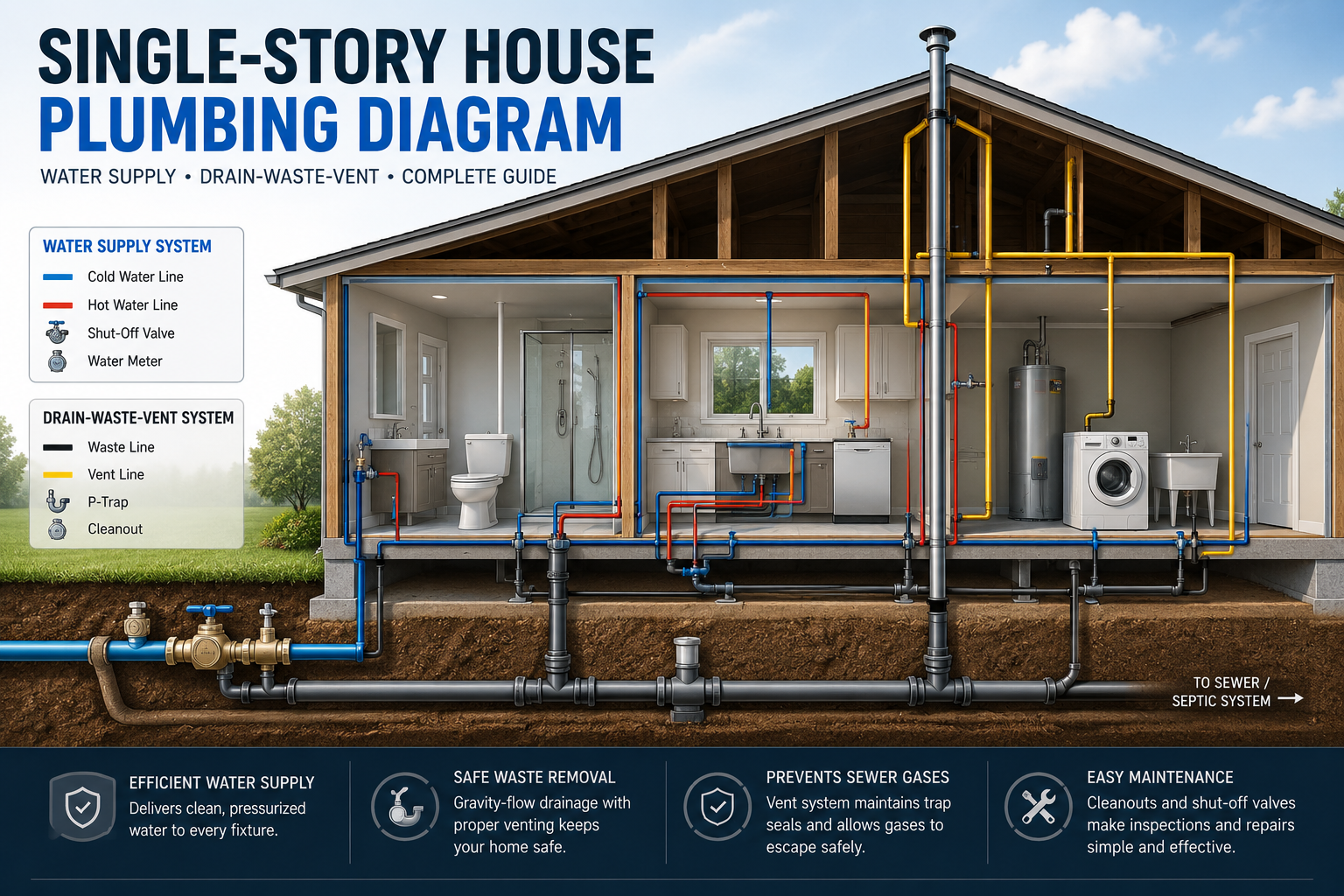


What Are Grid-Interactive Water Heaters?
Grid-interactive water heaters are part of a growing shift toward smarter, more energy-efficient plumbing technology. These systems use intelligent controls to help manage when and how electric water heaters consume energy. By adjusting water-heating activity in response to grid conditions, they can potentially reduce electricity demand during peak periods while maintaining an available supply of hot water for homeowners.
Grid-interactive technology can also support broader sustainability goals. Instead of treating a water heater as a simple appliance that operates independently, smart controls can allow compatible systems to participate in demand-response programs or other energy-management strategies when available through a local utility.
How Do Grid-Interactive Water Heaters Work?
Grid-interactive water heaters typically use smart controls to adjust their operation based on factors such as electricity demand, grid conditions, or available energy resources. The system may heat and store water during periods when demand is lower and temporarily reduce heating activity when demand on the electrical grid is higher.
Because a water heater stores energy in the form of heated water, it can provide a type of thermal energy storage. Unlike a conventional battery, which stores electricity chemically, a water heater stores energy as heat that can be used later when the household needs hot water.
In a large-scale energy-management program, a utility may be able to coordinate many compatible water heaters and adjust their energy use at different times. This approach can help shift electricity demand and support a more flexible electrical grid while allowing homeowners to continue using stored hot water. The exact capabilities of a system depend on the water heater model, smart controls, utility program, and local energy infrastructure.
Smart Water Heaters and the Future of Energy Management
Smart water-heating technology is becoming increasingly important as homes and utilities look for ways to manage energy use more efficiently. Modern systems may include connected controls, energy monitoring, scheduling features, and demand-response capabilities.
Not every smart water heater is fully grid-interactive, and these technologies are not available through every utility. However, homeowners replacing an older water heater may want to consider whether energy-efficient or smart technology options are suitable for their property.
Water heater lifespan can vary depending on the type of system, water quality, maintenance, household usage, and installation conditions. When replacement becomes necessary, upgrading to a modern water heater may provide an opportunity to consider features such as improved energy efficiency, smart controls, or other advanced water-heating technology.
Reclaimed Water Systems and Sustainable Plumbing
Another important area of sustainable plumbing is the use of reclaimed water, sometimes referred to as recycled water. Reclaimed water is wastewater that has been treated to meet specific quality standards for approved uses.
Depending on local regulations, treatment levels, and the utility providing the water, reclaimed water may be used for purposes such as landscape irrigation, certain industrial applications, and other approved non-potable uses. It is important to follow all applicable local requirements because reclaimed water is generally distributed and used through systems designed to keep it separate from potable drinking water.
Reclaimed water can play an important role in water conservation, particularly in areas where water resources are limited or seasonal demand is high. In Florida, availability and permitted uses can vary by municipality and utility provider. Where reclaimed water service is available, it may help reduce the demand for potable water for approved applications such as landscape irrigation.
Plumbing Requirements for Reclaimed Water Systems
A reclaimed water system may require separate piping, meters, valves, or other equipment depending on the property’s design and local utility requirements. Proper separation between reclaimed and potable water systems is essential to help prevent cross-connections.
Backflow protection requirements can also vary based on the system design and applicable plumbing codes. A qualified plumbing professional can help determine what equipment and installation requirements apply to a particular residential or commercial property.
Choosing Sustainable Plumbing Upgrades
Homeowners and property owners interested in improving efficiency may have several options to consider, including:
- Smart or connected water heater technology
- Energy-efficient water heaters
- Heat pump water heaters
- Water-saving plumbing fixtures
- Smart leak detection systems
- Reclaimed water connections where locally available
The right solution depends on the property’s existing plumbing, household or business water usage, available utility programs, local regulations, and long-term efficiency goals.
Need Help With an Energy-Efficient Plumbing Upgrade?
If you are considering a new water heater, exploring water-saving plumbing improvements, or looking for more efficient plumbing solutions for your property, A to Z Statewide Plumbing can help you evaluate the options available for your needs. Contact our team to discuss water heater services and other residential or commercial plumbing solutions in the areas we serve.
Call A to Z Statewide Plumbing at 1-800-930-1123 to get started.