4 Ways to Unclog a Toilet That Won’t Drain Step by Step Guide
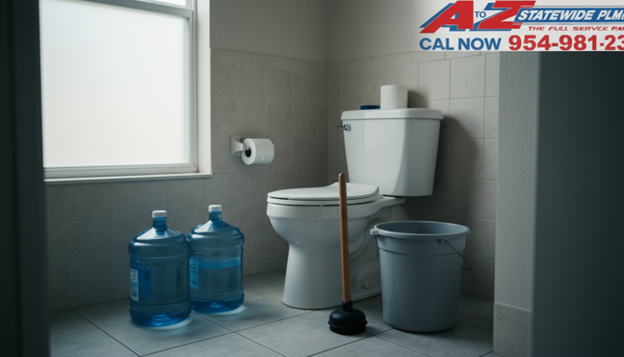
There is nothing more stressful than flushing the toilet and watching the water rise instead of draining. Whether it is excess toilet paper, organic waste, or a foreign object blocking the trap, a clogged toilet is a household emergency that requires immediate attention.
If handled incorrectly, a clogged toilet can overflow within minutes and cause costly water damage.
Before calling a plumber, there are several proven techniques you can try safely. At A to Z Statewide Plumbing, we recommend the following four professional methods to clear a stubborn clog without causing damage to your plumbing system.
1 The Master Plunge Using the Right Tool
Most homeowners use the wrong plunger. A flat cup plunger is designed for sinks. For toilets, you need a flange plunger, which has an extended rubber fold at the bottom to create a proper seal inside the drain.
The Proper Technique
- Make sure there is enough water in the bowl to fully cover the plunger head.
- Insert the plunger at a slight angle to allow the bell to fill with water instead of air.
- Create a tight seal over the drain opening.
- Push and pull firmly for 15 to 20 seconds while maintaining the seal.
- The goal is to create pressure and suction that dislodges the clog.
Pro Tip: Apply a small amount of petroleum jelly to the rim of the plunger. This improves the seal and makes plunging more effective.
2 The Hot Water and Dish Soap Method
If the clog is caused by organic waste or excessive toilet paper, lubrication can help break down the blockage and allow it to move through the trap.
How to Do It
- Pour half a cup of liquid dish soap into the bowl and let it sit for about 10 minutes.
- Carefully pour one gallon of hot water into the bowl from about waist height.
- The added pressure combined with the lubricating effect of the soap can help push the clog through.
Important Safety Warning: Never use boiling water. Sudden temperature changes can crack or shatter porcelain, leading to expensive repairs.
3 The Baking Soda and Vinegar Reaction
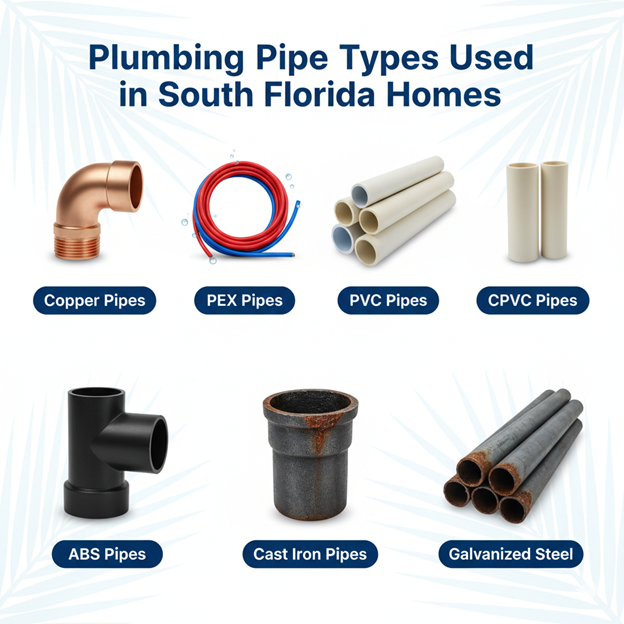
If you prefer a chemical-free option, this natural reaction can help loosen minor clogs and buildup. This is especially useful for homes in South Florida with older cast iron pipes where harsh chemical cleaners may accelerate corrosion.
Steps
- Pour one cup of baking soda into the bowl.
- Slowly add one cup of white vinegar.
- Allow the mixture to fizz for at least 30 minutes.
- Follow with a flush or a gallon of hot water to test drainage.
This method works best when water is draining slowly but not completely blocked.
4 Using a Toilet Auger The Professional Approach
When plunging fails, the clog is usually deeper in the trap or branch line. A toilet auger, also called a plumbing snake, is designed specifically for toilets and has a protective sleeve to prevent porcelain damage.
How to Use It
- Retract the cable so only the curved tip is exposed.
- Insert the auger into the drain opening.
- Turn the crank clockwise while gently advancing the cable.
- When you feel resistance, continue cranking to break apart or hook the blockage.
- Slowly retract the cable.
Caution: Do not force the auger aggressively. Excess pressure can scratch the porcelain or damage internal components.
When to Stop Warning Signs of a Main Sewer Line Backup
If these methods do not resolve the issue, or you notice the following signs, the problem may extend beyond the toilet:
- Water backing up into the shower or tub when you flush.
- Gurgling sounds from other drains.
- Multiple fixtures clogging at the same time.
- Strong sewer odors.
In these cases, continuing to plunge may push sewage back into your home and cause significant water damage.
Why Toilet Clogs Are Common in South Florida
South Florida plumbing systems face unique challenges including mineral-heavy water, aging cast iron sewer lines, and tree root intrusion. In many homes built before 1975, recurring toilet clogs can signal a deeper branch or main line issue rather than a simple surface blockage.
Conclusion Call the South Florida Plumbing Experts
DIY methods are effective for minor clogs. However, repeated blockages or complete drainage failure often indicate a larger plumbing issue such as tree root intrusion, heavy scale buildup, or sewer line damage.
If your toilet still will not drain after trying these steps, do not risk an overflow or sewage backup. Schedule a professional drain inspection with A to Z Statewide Plumbing. Our team uses advanced equipment and camera technology to identify the root cause and restore proper flow safely and efficiently.